In this Article
Not sure how to store golf cart for winter? Here are separate checklists for lead-acid, lithium, and gas carts, plus where to park it and how to wake it up in spring.
If you live anywhere with a real winter, knowing how to store golf cart for winter is the difference between rolling out in March and paying for a new battery pack. I’ve seen carts lose an entire set of lead-acid batteries in one cold season, just because nobody plugged them in.
The catch is that there isn’t one checklist. A lead-acid cart, a lithium cart, and a gas cart all need different care. Below you’ll find a separate checklist for each, plus a shared prep routine, a quick comparison table, and answers to the questions I get most every October.
Table of Contents
Table of Contents

Before You Start: Prep Every Cart Needs
Whatever is under your seat, start with the same five steps. They take about an hour and they prevent most of the ugly surprises.
- Wash it and dry it completely. Dirt holds moisture against the frame, and moisture is what starts rust and corrosion over a long sit.
- Clean the seats and floor. Food crumbs and wet towels attract mice, and mice love chewing wiring harnesses.
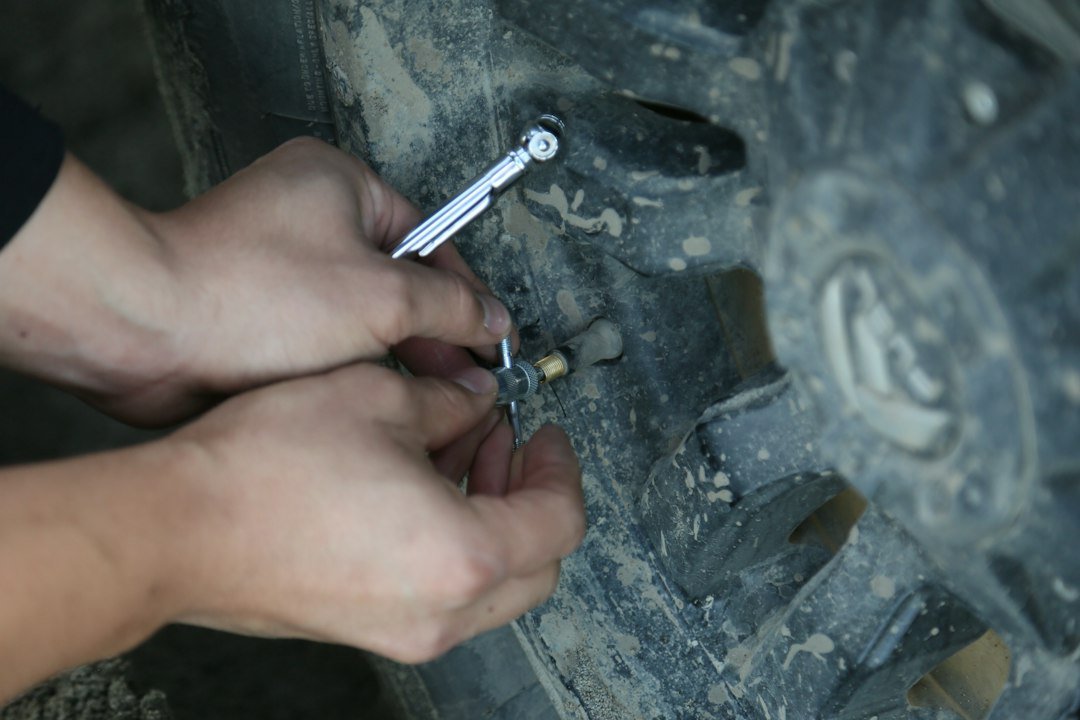
- Check tire pressure. Bring each tire up to the pressure printed on the sidewall, or the top of the recommended range. Tires slowly lose air, and a cart that sits on a flat spot all winter can develop a bump that never fully goes away.
- Turn the key off and take it out. Then set the tow/run switch to TOW if your cart has one. That cuts small parasitic drains.
- Lubricate the moving parts. A light coat of grease on steering joints and pivot points keeps them from seizing.
If the cart is going to sit for months, a jack or a set of stands that lifts the tires slightly off the floor is a nice extra. It isn’t required if your tires are properly inflated.
How to Store Golf Cart for Winter: Lead-Acid Battery Checklist
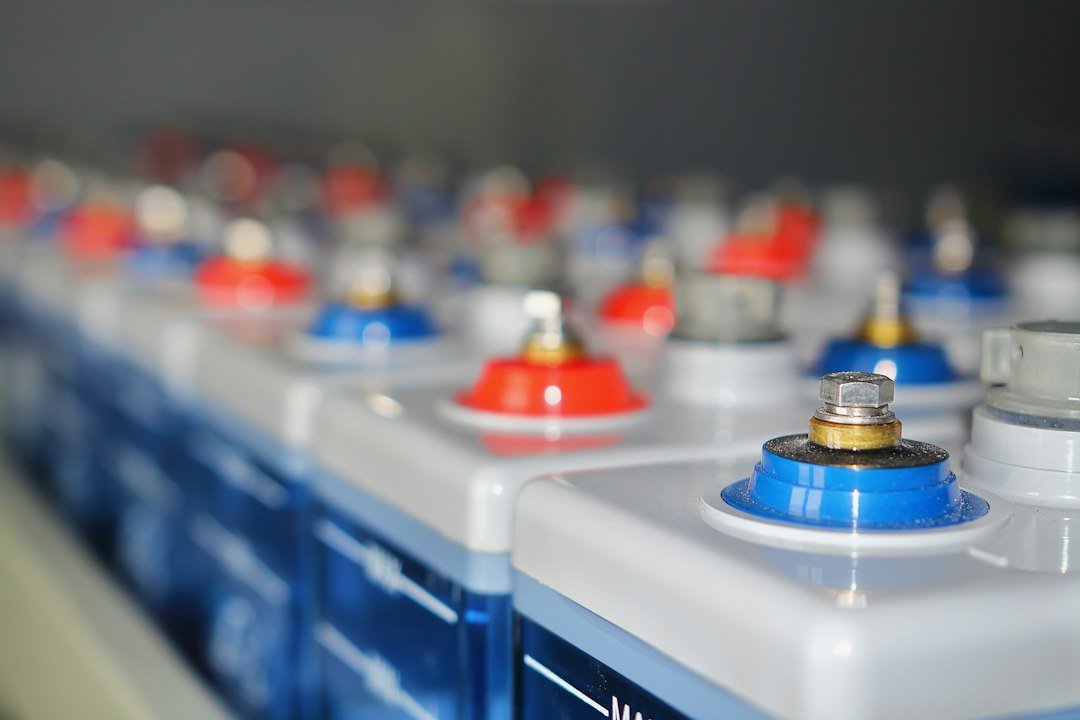
Lead-acid packs are the most demanding, and they’re also the most common. A lead-acid battery slowly discharges on its own, and a discharged one can freeze and crack its case. That’s the single biggest way people lose a pack over winter.
If you’re still deciding what to run, our comparison of lithium vs lead-acid golf cart batteries covers the trade-offs. For now, here’s the routine I follow with flooded lead-acid carts.
Step-by-Step for Flooded Lead-Acid
- Charge the pack fully. Finish a complete charge cycle, then let the batteries rest.
- Check the water level. After charging, the plates should be covered. Top off with distilled water only, never tap water, and don’t overfill.
- Clean the terminals. A mix of baking soda and water on a brush removes the white and green crust. Rinse lightly, dry, and add a thin coat of terminal protectant.
- Tighten every connection. Loose cables cause heat and voltage drop, and they’re a common reason a cart won’t move in spring. If yours ever clicks but won’t go, see our guide on a golf cart that clicks but won’t move.
- Decide: disconnect or maintain. If you’ll be near the cart, leave it on a proper charger that shuts off on its own. If you won’t, disconnect the main negative cable so nothing drains the pack.
Then comes the part everyone skips. Lead-acid batteries need a top-up charge during storage. ReliOn suggests checking lead-acid packs every two to three weeks, while a monthly recharge is a common minimum among owners. If your winters are truly cold, closer to the two-week end is safer.
Use a charger designed for golf carts, not a random trickle unit. And please don’t bypass the charger’s safety features to force a charge; I explain why in our article on how to trick a golf cart charger the safe way.
Why Freezing Matters
A fully charged lead-acid battery has a very low freezing point, far below what most of us ever see. As the charge drops, the electrolyte gets closer to plain water, and the freezing point climbs toward 32°F. A neglected, half-dead battery can freeze in an unheated shed.
That’s the whole logic behind the top-up charge. Keep the state of charge high, and you keep the battery safe. Trojan Battery makes the same point in its guide to winterizing golf cart batteries: lead-acid packs lose more capacity in cold weather and can be permanently damaged if they freeze while discharged.
Lithium Golf Cart Winter Storage Checklist
Lithium is the easiest way to store golf cart for winter. There’s no water to check, no terminals that corrode as fast, and the self-discharge rate is far lower. Many lithium packs can sit for months with almost no attention.
The details differ by manufacturer, though, so start with your battery’s manual. Here’s the general routine.
- Set the state of charge. Advice varies. Trojan recommends charging to 100% before long-term storage, while ReliOn says storing between 50% and 80% is fine and that you should avoid going below 50%. Follow whatever your pack’s maker specifies.
- Use storage mode if your battery has it. Many packs include a low-power storage or sleep mode in the app or on the BMS.
- Turn the cart off. Key off, tow/run switch on TOW, and remove any accessories that draw power, like USB ports and light kits.
- Check the pack on a schedule. A check every one to three months is typical. ReliOn estimates a discharge rate under 3% per month and says packs can store for up to a year with little attention.
Cold Weather and Lithium Charging
Lithium handles cold storage well, but charging in freezing temperatures is a different story. Many lithium chemistries shouldn’t be charged below 32°F unless the pack has built-in heaters or low-temperature protection. Some manufacturers reduce charge current in the cold rather than blocking it entirely.
The simple rule: if you’ll be topping off the pack in January, bring the cart or the battery somewhere above freezing first. ReliOn’s winter storage guide lists specific temperature and charge-rate guidance if you want the numbers.
Gas Golf Cart Winter Storage Checklist
Gas carts skip the big battery pack, but they bring their own problem: fuel that goes stale. Ethanol-blend gasoline can gum up a carburetor or fuel injector in a matter of months. Here’s how to store golf cart for winter when it runs on gas.
- Add fuel stabilizer. Follow the bottle’s ratio, and fill the tank most of the way up. A fuller tank leaves less room for condensation.
- Run the engine for five to ten minutes. That pulls the stabilized fuel through the lines and carburetor or injector.
- Change the oil and filter. Used oil holds acids and moisture. Fresh oil is cheap insurance.
- Service the starting battery. Clean the terminals, charge it, and either disconnect it or put it on a battery maintainer.
- Look at the air filter and spark plug. Replace them if they’re dirty. It’s easier now than on the first warm Saturday.
- Block the exhaust outlet. A loosely fitted rag or a mesh screen keeps nesting animals out. Just remember to remove it before you start the engine.
If you have a gas cart with an electric-start battery, that little battery still needs attention. A dead starting battery in spring is the most common “my gas cart won’t start” complaint I hear.
Where to Park It: Garage, Shed, or Outdoors
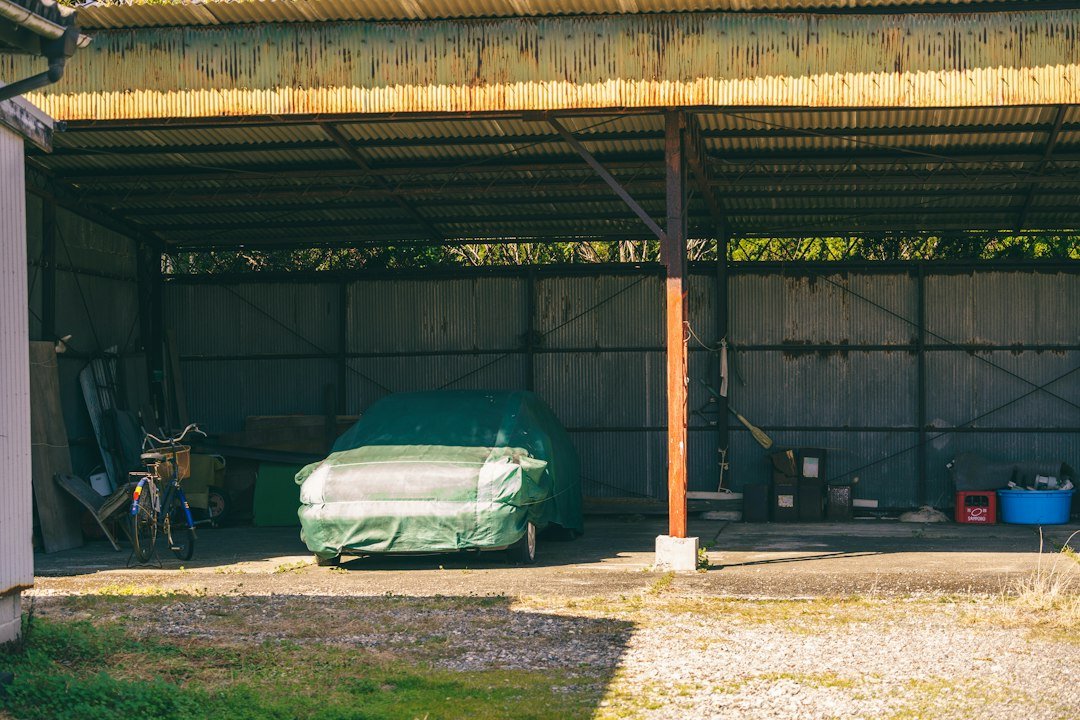
The best place to store golf cart for winter is dry, out of direct sun, and above freezing. A heated garage is perfect, and an unheated garage or shed is still much better than the driveway. Trojan lists 32°F to 80°F as an ideal storage range for both battery types.
Before you commit to the garage, make sure the cart actually fits with any roof or lift kit you’ve added. If it doesn’t, read our guide on a golf cart that’s too tall for the garage.
Choosing and Using a Cover
Use a breathable, fitted cover. A cheap plastic tarp traps moisture underneath, which is worse than no cover at all. Expect to pay around $40 for a decent one, according to ReliOn.
If you must store outside, a cover is non-negotiable, and so is checking the battery more often. Cold speeds up discharge on every battery type.
How to Store Golf Cart for Winter at a Glance
| Cart type | Charge or fuel step | Check how often | Biggest risk |
|---|---|---|---|
| Lead-acid electric | Full charge, top off with distilled water | Every 2 to 4 weeks | Freezing and sulfation from low charge |
| Lithium electric | Per maker: 50% to 100%, storage mode | Every 1 to 3 months | Charging below freezing |
| Gas | Stabilizer, fresh oil, battery maintainer | Once a month, start battery check | Stale fuel and a dead starting battery |
Waking Your Cart Up in Spring
The prep isn’t over until you’ve brought it back to life correctly. Run through this before your first round of the season.
- Reconnect the battery cables, tighten them, and check for corrosion.
- Charge the pack completely before driving.
- Check tire pressure again and look for cracks or flat spots.
- Test the brakes and the steering before you leave the driveway.
- On gas carts, remove any exhaust plug and check the oil level before starting.
If a fuse pops or the cart acts strangely, don’t panic. Our breakdown of a golf cart that keeps blowing fuses walks through the usual causes in order.
Frequently Asked Questions
Should I disconnect my golf cart batteries for winter?
If the cart will sit untouched for months and you aren’t maintaining a charge, yes. Disconnect the main negative cable so no small draw can drain the pack. If the cart stays plugged into a smart charger, leave it connected as the charger’s manual directs.
Can I leave my golf cart plugged in all winter?
With a modern automatic charger, usually yes, and it’s often the easiest option for lead-acid carts. Older or basic chargers can overcharge and boil off water, so check the water level monthly. For lithium, follow the manufacturer’s advice, because some packs prefer not to sit at 100% for long.
How often should I charge a stored golf cart?
For lead-acid, plan on every two to four weeks in cold weather. Lithium is far more forgiving, and every one to three months is common. Whatever you use, mark the dates on your calendar so it doesn’t slip.
Can a golf cart be stored outside in winter?
It can, but it isn’t ideal. Use a breathable cover, keep the batteries fully charged, and check the cart more often. In areas with heavy snow, a shed or garage saves a lot of headaches.
Do golf cart batteries freeze?
Lead-acid batteries can, especially when discharged. A fully charged one is very resistant to freezing, which is why keeping the charge up matters. Lithium is less prone to freezing damage, but you still shouldn’t charge it below freezing unless the pack is built for it.
Do I need fuel stabilizer for a gas golf cart?
If it will sit longer than a month or two, yes. Stabilizer keeps ethanol-blend fuel from breaking down and gumming up the carburetor or injector.
Bottom Line
Learning how to store golf cart for winter comes down to three ideas: keep it clean and dry, keep the battery charged, and keep the fuel fresh on gas models. Do those, and your cart will start right up when the course reopens.
Most of the work happens in the first weekend. Set a monthly reminder for the battery check, and spring will be a lot less stressful. Always confirm the details in your own cart’s or battery’s manual, since brands differ.