In this Article
Golf cart charger won't start? Here's the safe way to trick it back on, what's actually risky about it, and the real fixes that protect your batteries long-term.
If you’ve typed “how to trick a golf cart charger” into a search bar, you’re probably standing in a garage with a dead charger and a tee time in two hours. I hear some version of this question from readers and students more than almost any other cart topic. Here’s the short version: there’s a genuinely safe way to jump a stubborn charger back to life, but most of what gets called tricking a golf cart charger online is really just working around a safety feature — and defeating that feature on purpose is how you end up buying a new battery pack.

What People Actually Mean by “Trick a Golf Cart Charger”
Search “trick golf cart charger” and you’ll find two very different crowds giving advice. One group is talking about a legitimate, low-risk fix: batteries drained so low that the charger can’t even sense them, so it never kicks on in the first place. The other group is talking about bypassing the charger’s internal cutoff circuit — the part that tells it when to stop — usually with a jumper wire or a resistor spliced into the sensing line.
Only the first one is worth doing yourself. The second is the version that shows up in forum threads right before someone posts a photo of a swollen, leaking battery case. I’ll walk through both, because you need to know what you’re looking at before you try anything with your own cart.
Why You Shouldn’t Actually Bypass a Charger’s Safety Circuits
A golf cart charger isn’t just a power brick. It’s reading voltage and current the whole time it’s plugged in, stepping through bulk, absorption, and float stages, and shutting itself off once the batteries are full. Jumper wires and resistors that skip that sensing circuit remove the one part of the charger that actually knows when to stop.
That matters more with lead-acid batteries than almost anything else in your cart. Overcharge a flooded lead-acid battery and you’re boiling off electrolyte, warping the plates inside, and shortening a battery that should last five to seven years down to a fraction of that. Battery University’s guide to charging lead-acid batteries is a good primer on why the multi-stage process exists in the first place — it’s not arbitrary, and skipping stages is exactly where the damage happens.
There’s a second risk that’s easy to underweight: hydrogen gas. Charging lead-acid batteries produces hydrogen as a byproduct, and in an enclosed garage without ventilation, that’s a real explosion risk if a spark finds it at the wrong concentration. Occupational safety guidance on battery charging covers this in more detail than most golf cart forums ever mention, and it’s worth five minutes of reading if you charge in an attached garage.
Add a voided warranty and a real chance of fire from an overcharged pack, and “trick golf cart charger” methods that bypass the cutoff just aren’t worth what they save you. A new charger costs less than a new battery bank, and a lot less than a garage fire.
What’s Really Happening When the Charger Won’t Turn On
Before you try anything, it helps to understand why chargers refuse to start in the first place. Most automatic golf cart chargers need to sense somewhere around 20 to 35 volts coming back from the battery pack before they’ll engage at all. If your batteries have sat dead for weeks — a cart left in storage over winter is the classic case — the pack can drop below that threshold.
The charger plugs in, the light does nothing, and it looks broken even though it’s working exactly as designed. This low-voltage lockout, not a broken charger, is the real story behind most trick golf cart charger searches. It’s also the one scenario where a safe workaround actually makes sense, which is what we’ll cover next.
The Safe Way to Trick a Golf Cart Charger Back to Life
This is the boost method, and it’s the only version of tricking a golf cart charger I’d actually recommend. You’re not defeating any safety circuit here — you’re just raising the pack’s voltage enough that your normal charger recognizes it and takes over the job itself.
Step-by-Step Boost Method
- Check your battery configuration first. Most carts run six 6-volt batteries, four 8-volt, or three 12-volt batteries wired in series for a 36V or 48V system. Know which one you have before you start.
- Get a basic automotive or 12V charger. A standard car battery charger or jump box works for this — you’re not using it to fully charge anything, just to nudge voltage up.
- Clip onto one battery at a time. Connect the positive and negative leads to a single battery’s terminals, never across the whole series pack. Give it 5 to 10 minutes.
- Move down the line. Repeat on each battery in the pack for the same short burst, checking that terminals are clean and tight before you clip on.
- Try your golf cart charger again. Once the pack’s overall voltage climbs back into range, plug in your normal charger. It should recognize the batteries and start its regular cycle.
- Let it finish normally. Don’t leave the boost charger connected once your main charger takes over — you want the golf cart charger’s multi-stage process doing the real work from here.
If the charger still won’t engage after a full boost cycle on every battery, you’re probably not dealing with a simple low-voltage lockout anymore, and it’s time to look at the charger itself rather than the batteries.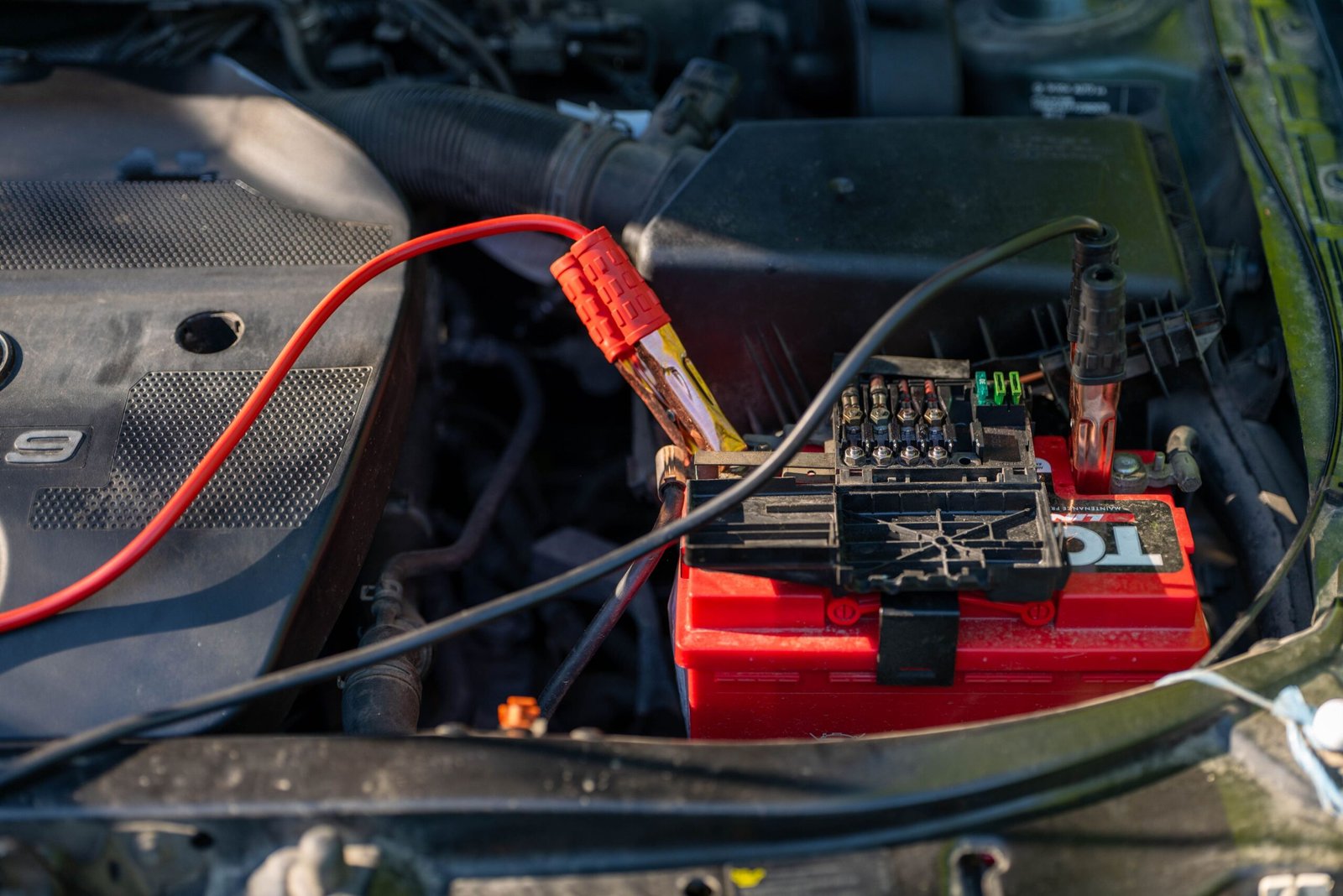
Other Reasons Your Golf Cart Charger Isn’t Working
Not every charger problem is a dead-battery lockout. A few other patterns show up often enough that it’s worth ruling them out before you assume the worst about your charger.
Charger Starts, Then Shuts Off Early
If the light comes on and then cuts out within a few minutes, check the fuse inside the charger housing first — it’s the single most common culprit and the cheapest fix. After that, look for loose or corroded connections at both the battery terminals and the charger plug itself. A cart left in “tow” or “maintenance” mode can also stop a charger from completing its cycle, so double check that switch if your cart has one.
Charger Runs All Night but Never Finishes
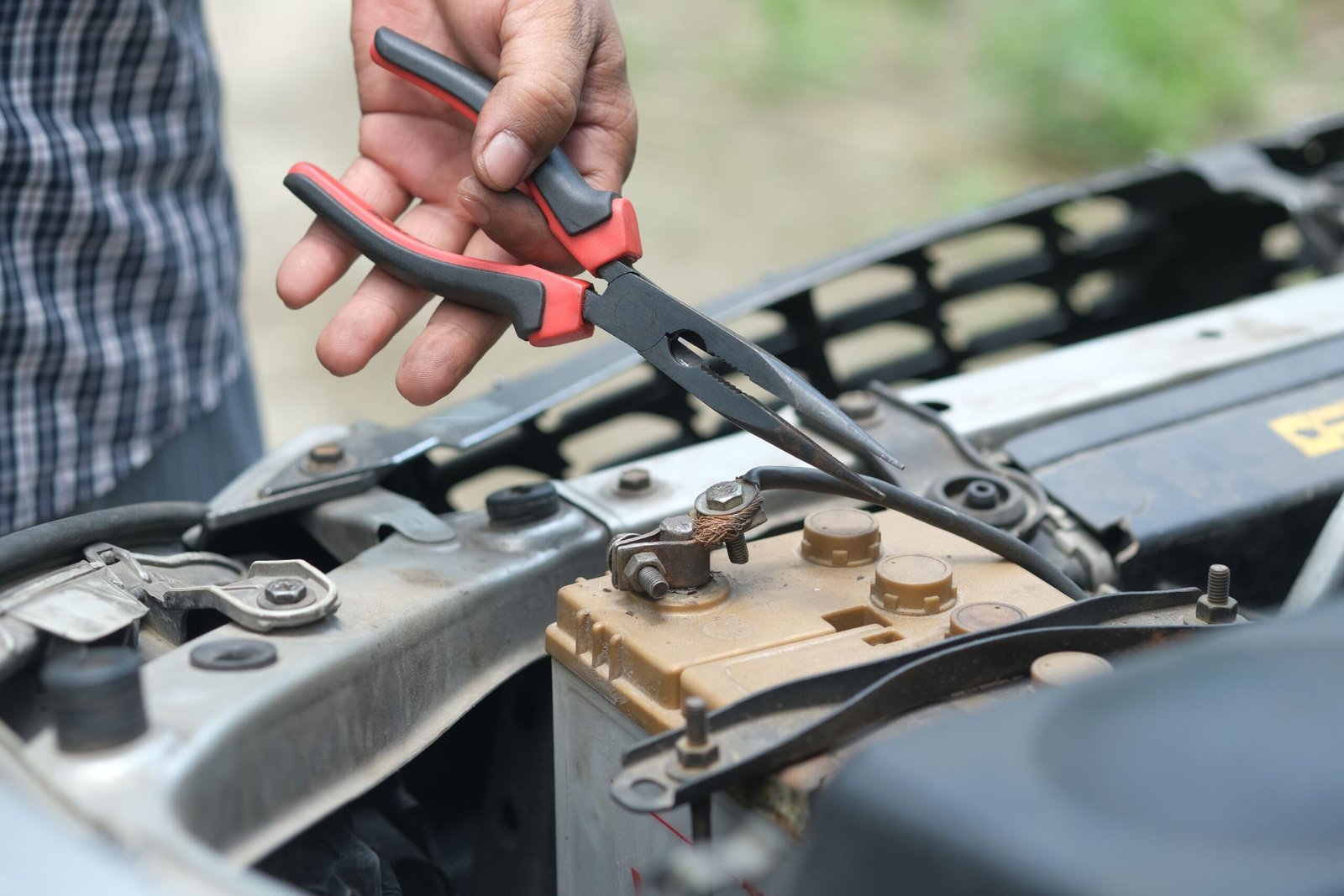
Long charge times that never actually complete usually point to low water levels on flooded lead-acid batteries, or corrosion buildup that’s restricting current flow even though the connection looks fine at a glance. Pull the caps and check that plates are covered with distilled water — never tap water — and clean any greenish-white buildup off the terminals with a baking soda and water solution.
Wrong Charger for Your Battery Voltage
This one’s simple but easy to miss, especially after a battery replacement: a 36-volt charger paired with a 48-volt pack, or vice versa, will never charge correctly no matter what you do to it. The charger might turn on and even seem to run, but it’ll either undercharge the pack or shut off long before the batteries are actually full. Check the voltage stamped on your charger’s housing against your battery configuration before you troubleshoot anything else.
How to Reset a Golf Cart Charger
Most modern chargers have a simple reset procedure buried in the manual that people skip straight past on their way to riskier fixes.
- Unplug the charger from both the wall outlet and the golf cart, and let it sit disconnected for 10 to 15 minutes.
- Look for a small recessed reset button, usually near the power cord or on the underside of the housing — you’ll likely need a pen tip to reach it.
- Hold the reset button for about 5 seconds.
- Reconnect to the cart first, then plug into the wall outlet, and check for normal indicator lights.
If the reset doesn’t bring it back and you’ve already ruled out a blown fuse and low battery voltage, that’s usually a sign of an internal component failure rather than something you can troubleshoot further at home.
Keeping Your Charger From Needing a Trick Again
The best fix for a stubborn charger is not needing one in the first place. A few habits go a long way toward keeping your pack out of low-voltage territory entirely.
- Charge after every round, not just when the pack feels low. Deep discharges are what push batteries down into the voltage range where chargers stop recognizing them.
- Check water levels monthly on flooded lead-acid batteries, and top off with distilled water before — never immediately after — a full charge.
- Clean terminals every few months with a wire brush and baking soda solution, then coat with terminal protectant spray.
- Don’t let a cart sit for more than a few weeks without a top-off charge, even in the off-season. If you’re storing a cart over winter, plug it in every 3 to 4 weeks rather than parking it and forgetting about it.
If you’re shopping for a cart that makes some of this easier, models with built-in smart chargers and battery monitors — like current Coleman golf carts — tend to be more forgiving of the occasional missed charge than older setups without that monitoring built in.
When to Stop and Call a Professional
Stop troubleshooting and call a technician if you see sparks, smell anything burning, or notice battery acid leaking from a case — those are immediate safety issues, not DIY territory. The same goes if you’ve already tried a reset and a full boost charge and the charger still won’t engage; at that point you’re likely looking at an internal fault that needs a multimeter and some diagnostic experience to chase down safely.
It’s also worth calling in help if you’ve already attempted a bypass-style “trick” and things got worse. Stop immediately, don’t try to correct it with another workaround, and have a technician assess the whole pack before you plug anything back in.
Frequently Asked Questions
Why won’t my golf cart charger turn on at all?
Most golf cart chargers need to sense roughly 20 to 35 volts from the battery pack before they’ll engage. If your batteries have been sitting dead for an extended period — common after winter storage — the pack can drop below that threshold, and the charger simply never starts. A brief boost charge on each battery usually solves this.
Is it safe to use a regular car battery charger on golf cart batteries?
Only briefly, and only to boost a dead pack enough for your real golf cart charger to take over. Car chargers aren’t built for the deep-cycle batteries in a golf cart and shouldn’t become your everyday charging method — they don’t run the multi-stage cycle deep-cycle batteries actually need.
Can I leave my golf cart charger plugged in all the time?
It depends on the charger. Modern smart chargers with a float or maintenance mode are generally fine left connected long-term. Older, non-automatic chargers can overcharge batteries if left plugged in indefinitely, so check your charger’s manual before making it a permanent habit.
My charger gets warm during use — is that normal?
Some warmth is expected, especially during the bulk charging stage. If it becomes too hot to comfortably touch, or you notice a burning smell, unplug it and have it checked rather than continuing to use it.
I already tried bypassing my charger’s safety circuit and now something’s wrong. What do I do?
Stop immediately and don’t attempt another workaround. Disconnect the charger, and have a qualified golf cart technician inspect both the charger and the battery pack before you charge again — a compromised battery can fail in ways that aren’t obvious just from looking at it.
How long should a full golf cart charge take?
A depleted pack typically takes 8 to 12 hours on a standard automatic charger, depending on battery size and charger amperage. If your charger is consistently running much longer than that without completing, it’s worth checking water levels and terminal connections rather than just letting it run indefinitely.
Bottom Line
The only version of tricking a golf cart charger worth doing is the boost method — raising a dead pack’s voltage just enough that your normal charger recognizes it and takes over. Everything past that, any bypass that defeats the charger’s own cutoff circuit, trades a short-term fix for battery damage, fire risk, or both.
Most of the time, a charger that won’t cooperate is telling you something simple: a low battery, a blown fuse, a dirty terminal, or a pack that’s overdue for water. Work through those first. If you’ve ruled them all out and the charger’s still dead, that’s a job for a technician, not a resistor and a prayer.
And once your cart’s actually running again: if you’re the type who tows it to more than one course, our guide to sizing and choosing a golf cart trailer covers what you need to haul it safely. And if the body’s looking as tired as that old charger, a golf cart wrap is a cheap way to make the whole rig look new again.
More Golf Cart Guides
Charging gear (affiliate links): 48V chargers, terminal cleaners and load testers. We may earn a small commission at no cost to you.