In this Article
A practical breakdown of golf cart wraps: the real types available, what they cost, how long they last, and whether to DIY the install or hire a pro.
What Are Golf Cart Wraps?
Golf cart wraps are vinyl films applied over your cart’s factory paint to change its color, finish, or graphics without touching the body underneath. I get asked about them almost as often as I get asked about swing changes these days, usually from a student who just saw a neighbor’s cart done up in camo or a custom color and wants to know if it’s worth doing to their own.
The short answer is yes, for a lot of golfers it is. Golf cart wraps cost less than paint, protect the panels underneath from sun and scratches, and you can strip them off in a few years without leaving the cart worse than you found it. This guide walks through the real types of golf cart wraps available, what they cost, how long they hold up, and whether you should install one yourself or hand it to a professional.

Types of Golf Cart Wraps
Not every golf cart wrap job is the same, and the type you pick changes both the price and the look you end up with. Here’s how the main options break down.
Full Wraps
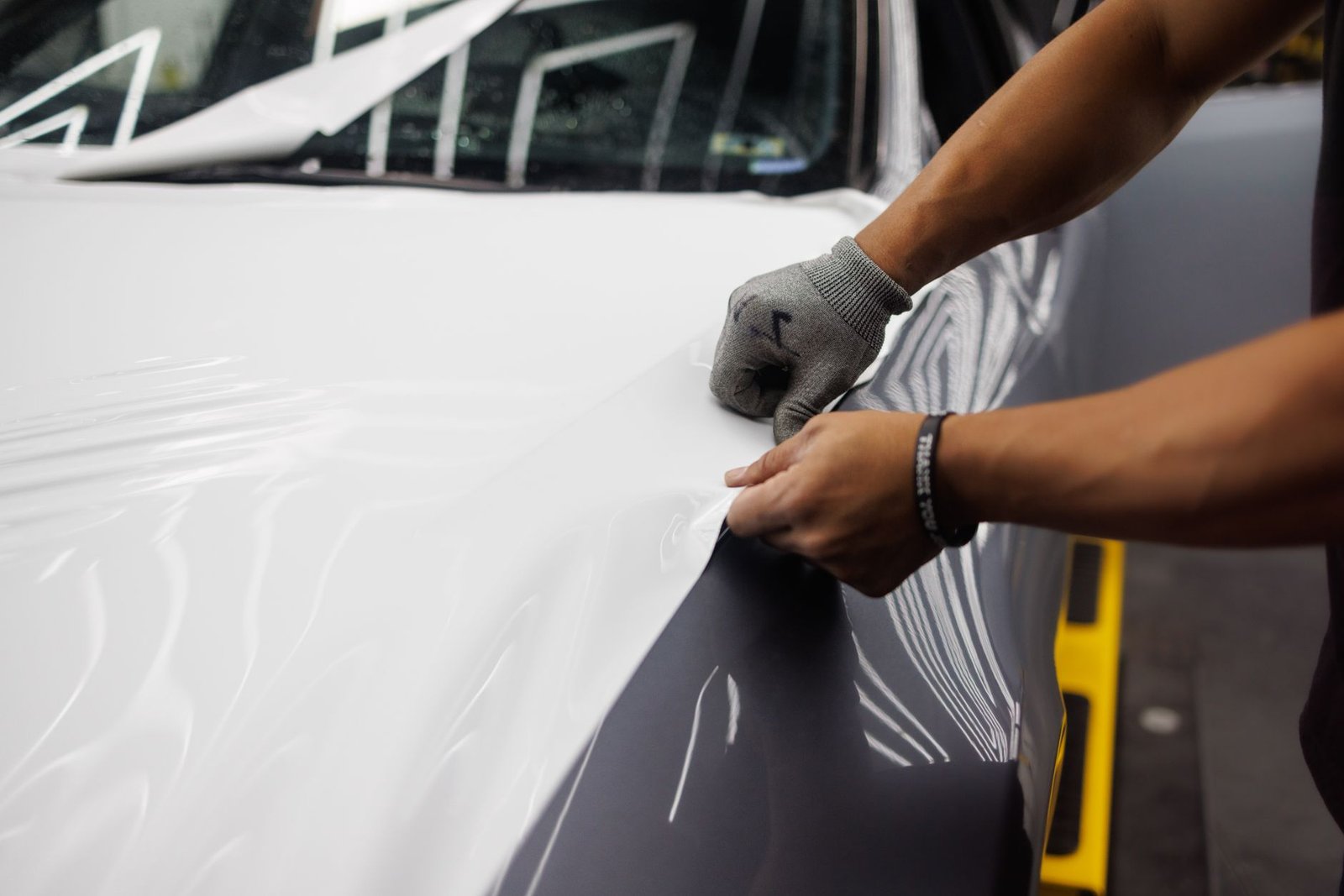
A full wrap covers the entire body: hood, rear panel, fenders, dash, and sometimes the roof and rims too. Full golf cart wraps get you the closest thing to a repaint, and it’s the option that offers the most protection, since every painted surface gets a layer of film between it and the sun, rocks, and cart-path debris.
Partial and Accent Wraps
A partial wrap targets specific panels rather than the whole body, which keeps cost down while still changing the cart’s look. Accent wraps go a step further and focus on small details, like the grille, mirrors, or trim, to create highlights rather than a full color change. These are a good entry point if you want to test the idea before committing to full coverage.
Finish Options: Gloss, Matte, Chrome, and Camo
Beyond coverage, you’re choosing a finish. Gloss is the most popular pick for golf carts and sits at the affordable end of the range, matte gives a flatter, more understated look for close to the same price, and metallic or chrome wraps cost noticeably more because the material itself is pricier and takes more skill to install without creasing. Camo wraps, in woodland, digital, or desert patterns, are common on carts that pull double duty as hunting or property vehicles.
Golf Cart Wraps vs. Paint: Which Should You Choose?
This is the question I hear most once someone’s decided to change how their cart looks. Both options have a real place, and the right call depends on what you’re optimizing for.
Golf cart wraps win on cost and turnaround. Materials alone run $180 to $350, and even with professional installation, most cart wraps land well under what a comparable paint job costs. A cart can also go back into service the same day in many cases, where paint needs real cure time before it can handle weather or a wash. On top of that, a wrap protects the factory paint underneath it, so if you ever want your original color back, it’s usually still there once the film comes off.
Paint wins on longevity and resale perception. A quality paint job can outlast a wrap by years when it’s maintained well, and some buyers still associate paint with a more “finished” look than a wrap, which can matter if resale value is a priority. Paint is also harder to reverse. Once you’ve painted over the original color, going back is a much bigger job than peeling off a wrap.
My honest take, after watching plenty of students go through this decision: if you want to change your cart’s look every few years, protect the original finish, or you’re not sure you’ll love a bold color long-term, choose golf cart wraps over paint. If you want one finish that lasts a decade with minimal thought after the fact, paint is the better bet.
How Much Do Golf Cart Wraps Cost?
Budget is usually the deciding factor when shopping for golf cart wraps, so here’s where the numbers actually land. A typical professionally installed wrap runs $500 to $1,500 for a standard two-seat cart, with materials making up roughly $180 to $350 of that and labor covering the rest. High-end custom printed designs, full-color graphics, or premium finishes like chrome can push the total toward $2,000.
Coverage is the biggest cost driver. A full wrap costs more than a partial or accent wrap simply because there’s more surface area and more panels to prep and trim around. Finish matters too. Solid gloss and matte colors sit at the lower end of the range, while metallic, chrome, and custom-printed camo patterns cost more because the material is pricier and installation takes longer to get right without visible seams or creases.
DIY kits bring the price of golf cart wraps down substantially if you’re comfortable doing the install yourself. A basic wrap kit sized for a two-seat cart typically runs $150 to $400 in materials, though you’re trading dollars for the time and patience the job demands, which we’ll get into below.
How Long Do Golf Cart Wraps Last?
A well-installed golf cart wrap holds up for 3 to 7 years, with the range depending heavily on material quality, climate, and how the cart is stored. Carts that live outside under direct sun in hot, humid regions fade and lift faster than ones stored in a garage or under a cover between rounds.
A few habits stretch that lifespan toward the higher end. Hand wash with mild soap and a soft cloth rather than a pressure washer or an automatic wash with abrasive brushes, and dry the cart fully afterward to prevent water spots. Skip waxes and polishes unless they’re specifically labeled wrap-safe, and stay away from ammonia-based or harsh solvent cleaners, which degrade vinyl and accelerate fading. Parking in shade or under a cover when the cart isn’t in use is the single biggest thing you can do to protect golf cart wraps from UV damage, since sun exposure is the main driver of premature fading and edge lifting.

DIY Installation vs. Hiring a Professional
Whether to install golf cart wraps yourself or pay a shop comes down to your tolerance for a learning curve and how much the small imperfections would bother you.
What DIY Installation Actually Involves
Start by removing anything detachable: bumpers, lights, mirrors, and accessories that won’t be wrapped. Clean every panel thoroughly, since any leftover dirt or dust telegraphs through the film once it’s applied. Measure each panel and cut the vinyl with a few extra inches of margin for trimming.
Application starts at a large flat panel, anchoring the top edge with masking tape, then peeling back the liner in sections and working outward from the center with a squeegee to push out air and avoid wrinkles. A heat gun on low helps stretch the film gently around curves, like fender lines and seat contours, without overstretching it, which thins the vinyl and shows through as discoloration. Once a panel is bubble-free, trim the excess with a sharp utility knife, being careful not to score the surface underneath, then let the wrap cure for 24 hours before washing it or parking it in direct sun.
Common Mistakes That Ruin a DIY Wrap
Rushing the prep work is the single biggest cause of bad results. Skipped cleaning, cutting corners on measuring, and using bargain vinyl instead of a reputable cast film all show up as bubbles, peeling edges, or a wavy finish within months rather than years. Working outside on a cold or windy day is another common mistake, since vinyl gets stiff and hard to stretch below roughly 50°F, and grabs dust and debris in open air. If you’re installing solo, having a second set of hands to hold and align larger sections makes a real difference in avoiding misalignment.
A professional shop costs more, but you’re paying for consistent results, warranty coverage on the install, and a finish free of the seams and bubbles that show up on a first attempt. For a cart you plan to keep for years or one with a complex color-blocked design, that’s often worth the premium.
Choosing the Right Golf Cart Wrap for Your Cart
A few practical questions narrow down which golf cart wraps make sense for you. First, how long do you want to keep this look? If you’re testing a color or pattern, start with a partial or accent wrap before committing to full coverage. Second, where does the cart live? Carts stored outdoors in sunny climates need a higher-quality cast vinyl to hold up, where a cheaper calendared film might be fine for a cart that’s mostly garaged.
Third, look at reputable film brands rather than the cheapest roll available. 3M’s wrap film series is the industry benchmark for a reason: consistent color, resistance to fading and cracking, and a track record that cheaper off-brand vinyl usually can’t match. Spending a bit more on material here is the difference between golf cart wraps that look sharp for five years and ones that are peeling at the edges after one Chicago summer.
If you’re weighing golf cart wraps against a full repaint, the cost gap on a full-size vehicle tells the same story it does on a cart: Kelley Blue Book’s breakdown of vehicle wrap costs shows wraps consistently coming in cheaper and faster than paint across vehicle types, which is the same tradeoff you’re making at cart scale.
And if you’re deciding between wrapping the cart you own or shopping for a different cart altogether, it’s worth knowing what you’re comparing against. Our Coleman golf carts guide and our look at whether a Bintelli golf cart is worth the higher price point both cover what you get at different budgets, which matters if you’re deciding between dressing up an older cart or buying new.

Frequently Asked Questions
How much does it cost to wrap a golf cart?
Most professionally installed golf cart wraps cost $500 to $1,500, with materials running $180 to $350 and labor making up the rest. Premium finishes like chrome or custom-printed graphics can push the total closer to $2,000.
Is wrapping a golf cart cheaper than painting it?
Generally, yes. Golf cart wraps typically cost less than a comparable paint job and take less downtime, since a wrapped cart can often go back into service the same day. Paint can last longer when properly maintained, but it costs more upfront and is harder to reverse.
How long do golf cart wraps last?
A quality wrap installed correctly lasts 3 to 7 years, depending on the vinyl quality, climate, and how much sun exposure the cart gets. Carts stored in shade or under a cover between rounds hold their wrap longer than ones left in direct sun.
Can I wrap my golf cart myself?
Yes, DIY golf cart wrap kits are available and cost $150 to $400 for a standard two-seat cart. The job is doable for a patient first-timer, but expect a learning curve around avoiding bubbles and creases, and budget extra time for trim panels and curved sections.
Does a golf cart wrap protect the original paint?
Yes. Golf cart wraps act as a protective layer over the factory finish, shielding it from UV fading, minor scratches, and road grime. When the wrap eventually comes off, the original paint underneath is typically in better shape than it would be if left exposed the whole time.
What’s the most popular finish for golf cart wraps?
Gloss finishes are the most common choice, offering a clean, factory-fresh look at the more affordable end of the price range. Matte runs close behind for a more understated style, while chrome and metallic finishes cost more but stand out the most on the course.
Bringing It Home
Golf cart wraps are one of the lower-stakes upgrades you can make to a cart: they’re reversible, protect what’s underneath, and cost a fraction of what a repaint runs. Whether you go full wrap or just dress up a few panels, matching the finish and film quality to how and where you actually store the cart will do more for how long it looks good than anything else in this guide.
Just keep the priorities straight. A sharp-looking cart is a nice thing to roll up in, but it won’t shave strokes off your round. If you’re looking to actually lower your scores this season, that work happens in your setup and swing, not in the cart barn. Our beginner’s guide to golf is a solid place to start if fundamentals are where you need the attention instead.