In this Article
A straight-shooting look at Coleman golf carts — real pricing, GCEV4G-T specs, common owner complaints, and how the brand stacks up against Club Car, EZGO, and Bintelli.
What Are Coleman Golf Carts, Exactly?
If you’ve shopped for a cart at Walmart, Lowe’s, or Rural King in the last couple of years, you’ve probably run into Coleman golf carts without necessarily meaning to. They show up next to the pressure washers and riding mowers, priced well below what you’d pay at a dedicated golf cart dealer, and the Coleman name on the hood carries a lot of trust from camping gear and coolers. That trust doesn’t automatically transfer, though, and it’s worth understanding what you’re actually buying before you load one into a truck bed.
Coleman golf carts aren’t built by the outdoor-gear company most people associate with the name. The brand is licensed to Champion Motorsports Group, which does business as Coleman Powersports, and the carts themselves are manufactured by Kandi, a Chinese vehicle maker that also produces carts sold under other retail brands. That’s a fairly common arrangement in this corner of the powersports world, but it matters once you start asking questions about parts and long-term support.
I’ve spent seven years teaching golf around Chicago, and cart questions come up almost as often as swing questions once someone gets serious about the game. This guide covers what Coleman actually offers, current pricing, real owner complaints, and how the brand stacks up against legacy names like Club Car and EZGO, plus newer competitors like Bintelli.
Coleman Golf Cart Models and Specs
Coleman’s electric lineup centers on a small handful of models, and the specs are consistent enough across them that learning one tells you most of what you need to know about the rest.
GCEV4G-T
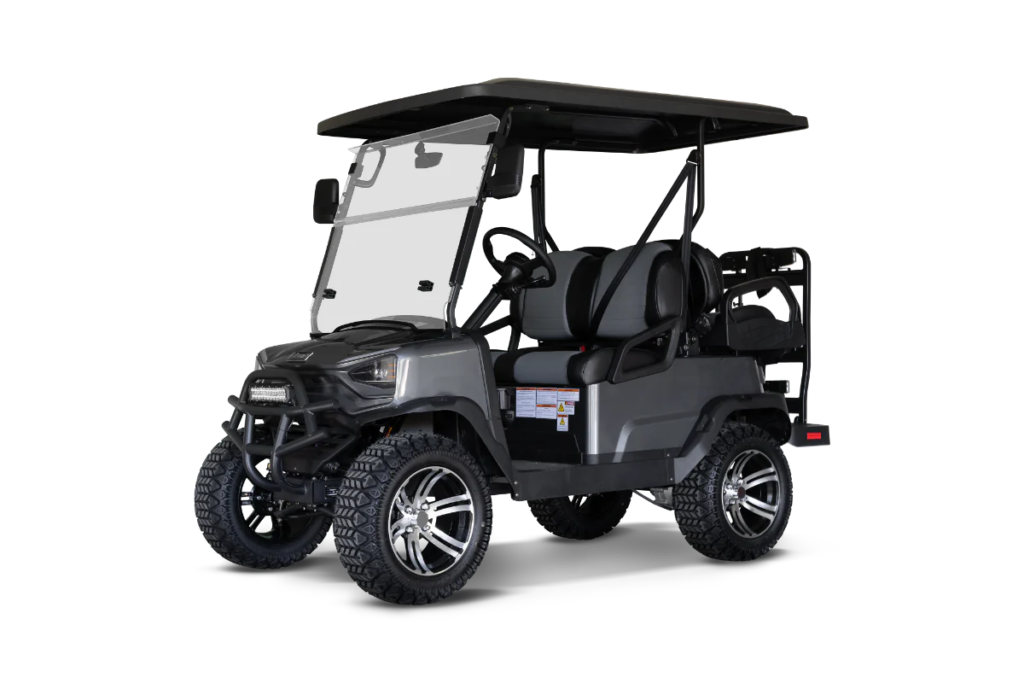
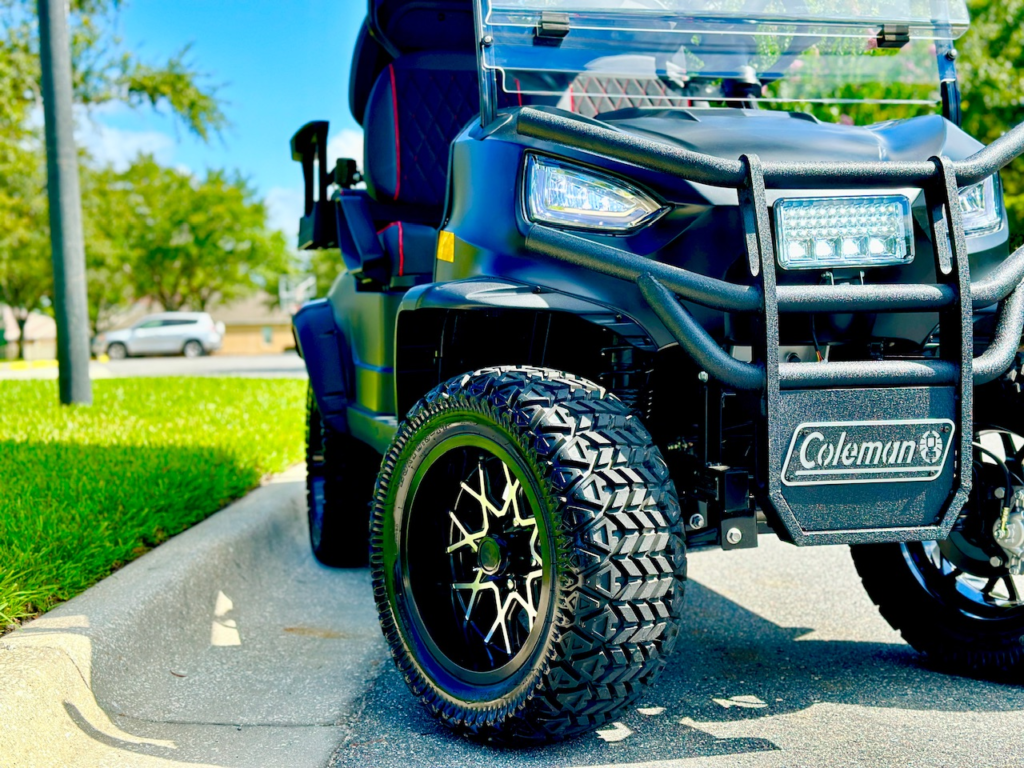
The GCEV4G-T is the model you’ll see most often advertised. It runs a 5,000-watt motor paired with a 48-volt battery pack, good for a manufacturer-claimed 40 miles on a full charge at a top speed of 20 mph. It seats four across two bench rows, uses independent front suspension (Coleman advertises it as a MacPherson strut setup), and comes with hydraulic disc brakes on all four corners. Ground clearance sits around 6.8 inches, and it includes a color LED dash showing speed, battery level, and hours of use.
CGC2 and CGC3 Lithium Utility Carts
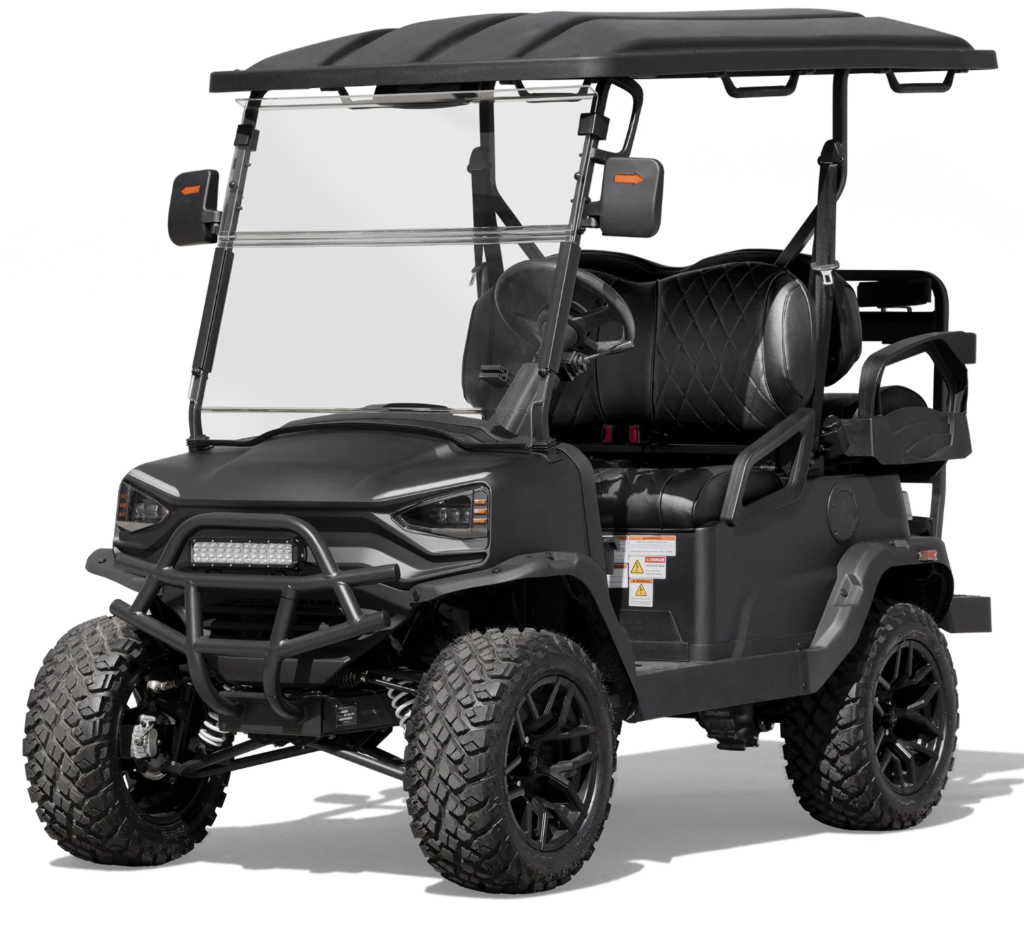
Coleman also sells lithium-battery utility carts under the CGC2 and CGC3 names, with the CGC3 adding forward-facing rear seats instead of the rear-facing bench you’ll find on cheaper carts. Lithium packs charge faster and last longer than the lead-acid batteries still common at this price point, which is a genuine upgrade if you plan to keep the cart for years rather than one season.
Gas-Powered Options
Beyond the electric lineup, Coleman also offers gas-powered carts for buyers who want longer range without thinking about charge cycles, or who use a cart somewhere charging isn’t convenient, like a hunting lease or rural property without reliable power access.
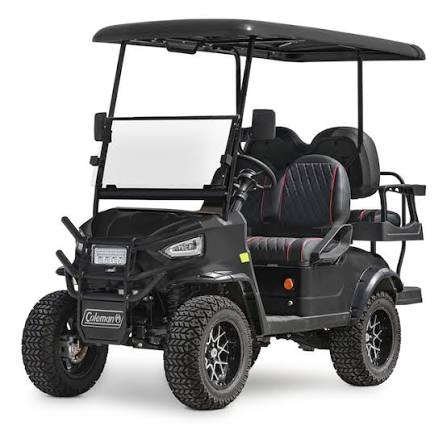
All current Coleman golf cart models list at a regular price of $9,999 directly through Coleman Powersports’ own site, though third-party retailers price them differently depending on promotions and configuration.
How Much Do Coleman Golf Carts Cost?
Pricing for Coleman golf carts is genuinely inconsistent depending on where you shop, which is one of the more confusing parts of buying one. On Coleman Powersports’ own site, the GCEV4G-T lists at a regular price of $9,999. Other retailers have shown the same or similar models anywhere from roughly $5,700 on sale up to $10,000 or more at big-box stores like Lowe’s, depending on promotions running at the time.
That spread is worth paying attention to. A golf cart that costs $4,000 more at one retailer than another, for what’s ostensibly the same vehicle, means it genuinely pays to compare Walmart, Lowe’s, Amazon, and Rural King listings before buying rather than assuming the first price you see is the going rate. Financing is also available directly through Coleman via Affirm, Klarna, and Shop Pay, with plans starting around $49 a month and 0% APR offers on select models for qualified buyers.
For comparison, a similarly-equipped Bintelli golf cart starts closer to $11,000 and climbs from there, so Coleman’s price point is a real part of its appeal if budget is the deciding factor.
Coleman Golf Cart Performance: Range, Speed, and Power
On paper, the GCEV4G-T’s numbers are respectable for the price. A 48-volt system and 5kW motor is enough power for flat courses, neighborhoods, and campgrounds, and independent testing by owners has generally validated the 40-mile range claim, with most reporting 37 to 42 miles depending on terrain, tire pressure, and how many passengers are aboard.
Top speed is capped at 20 mph, which is worth noting if you’re cross-shopping against low-speed vehicles built to the federal 25 mph LSV standard. That difference matters if you’re hoping to register the cart for street use in a community that requires the higher classification — check your local rules before assuming any electric golf cart qualifies as street legal.
Hydraulic disc brakes on all four wheels are a genuine strength here; a lot of carts at this price point still rely on rear drum brakes, and the stopping power difference is noticeable the first time you’re going downhill with a full load of passengers and gear.
Common Coleman Golf Cart Problems
I’d rather tell you what shows up in owner complaints than pretend the brand is trouble-free, because it isn’t, and pretending otherwise doesn’t help you make a good decision.
The recurring theme across owner forums and the Better Business Bureau’s complaint page for Coleman Powersports is inconsistent build quality paired with difficult customer support. Common specifics include batteries that don’t hold a charge at the advertised level, defective parts out of the box, and carts that lose propulsion or need repeat repairs shortly after purchase.
Warranty service is the sharper edge of the complaint pattern. Because Coleman brands and sells carts manufactured by Kandi, some owners report being passed back and forth between the two companies when a warranty claim comes up, with neither side fully owning the repair. Parts availability follows the same logic — without a dedicated dealer network the way Club Car or Bintelli has, tracking down a specific replacement part can take longer than owners expect.
None of this means every Coleman golf cart has problems. Plenty of owners report years of trouble-free use for basic recreational driving. But the risk profile is different from a brand with a mature dealer network, and it’s worth going in with realistic expectations about support rather than discovering the gap only after something breaks.
Coleman vs. Club Car, EZGO, and Bintelli
Where a Coleman golf cart genuinely competes is price. You’re getting a four-seat electric cart with disc brakes and independent suspension for roughly half what a comparable Club Car or EZGO costs new, and often less than a Bintelli as well.
What you give up is the support structure. Club Car and EZGO have decades of dealer networks, established resale value, and parts availability that a big-box brand simply can’t match yet. Bintelli splits the difference — it costs more than Coleman but less than the legacy brands, and it backs that price with a dedicated dealer network of its own, which is the piece Coleman is still building.
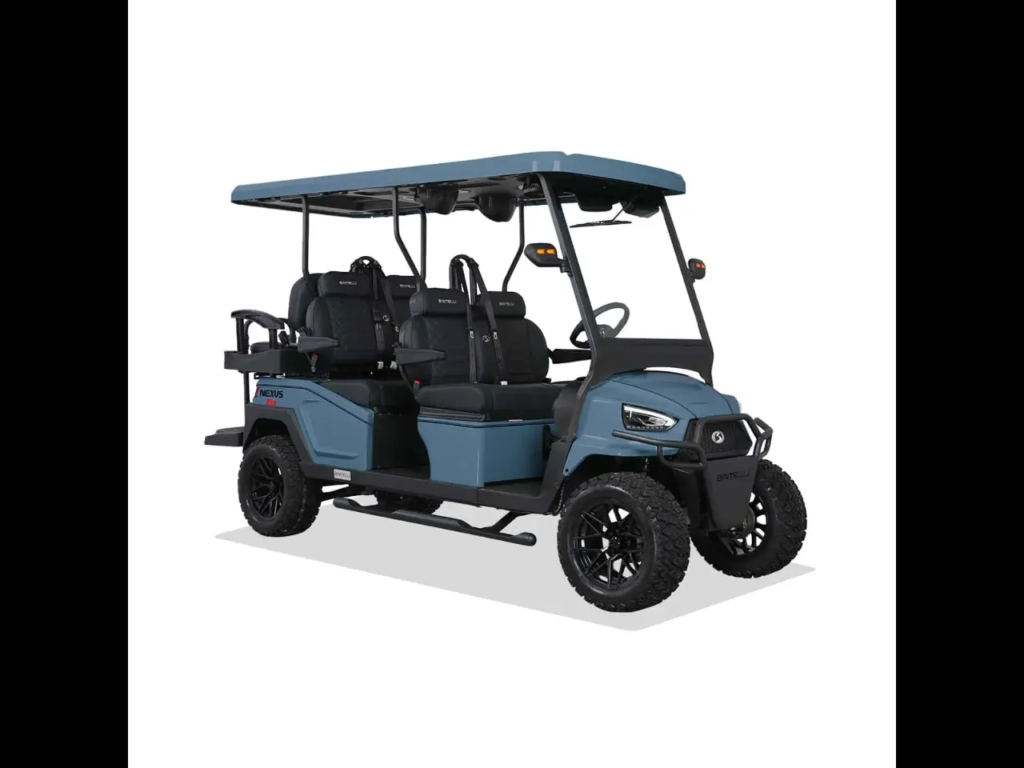
Think about it in terms of what you’re actually optimizing for. If minimizing upfront cost is the priority and you’re comfortable being your own troubleshooter for minor issues, Coleman’s price is hard to beat. If you want a dealer to call when something goes wrong, Bintelli, Club Car, or EZGO are the safer bets, even at a higher price.
Where to Buy a Coleman Golf Cart
Coleman golf carts are sold through Coleman Powersports’ own site as well as major retailers including Walmart, Lowe’s, Amazon, and Rural King. Availability shifts often — several models have shown as sold out directly through Coleman at different points — so checking multiple retailers is worth the extra ten minutes before you commit to a price. If you’re also weighing how you’d get a cart from one place to another, our golf cart trailer buying guide covers sizing and towing basics worth knowing before you buy either one.
If you’re buying from a big-box retailer rather than Coleman directly, confirm who handles warranty service before you buy. Some retailers act purely as a sales channel and route all support back to Coleman or Kandi, which affects how quickly you’ll get help if something needs fixing.
Is a Coleman Golf Cart Worth It?
For a lot of buyers, yes, with clear eyes about the tradeoff. If you want an affordable four-seat electric cart for a neighborhood, campground, or property, and you’re comfortable handling minor troubleshooting yourself or working with a general small-engine shop rather than a dedicated cart dealer, Coleman golf carts deliver real value at a price the legacy brands don’t match.
Where I’d steer a student away from Coleman is if resale value or bulletproof warranty support matters more to you than upfront savings. In that case, the extra few thousand dollars for a Bintelli, Club Car, or EZGO buys you a support network that’s worth something the day a part fails.
And if you’re newer to the game and still working out fundamentals, remember the cart is the smallest piece of the equation. Time spent on your setup and swing will lower your scores far more than anything sitting in the cart barn — our beginner’s guide to golf is a solid place to start if that’s where you are.
Coleman Golf Carts FAQ
Are Coleman golf carts any good?
They’re a reasonable option for buyers prioritizing price over long-term support. Performance and features are competitive for the cost, but build quality and customer service get mixed reviews compared to established brands.
Who actually makes Coleman golf carts?
Coleman golf carts are sold by Champion Motorsports Group, doing business as Coleman Powersports, and manufactured by Kandi, a separate vehicle maker that produces carts for multiple retail brands.
How much do Coleman golf carts cost?
The GCEV4G-T lists at a regular price of $9,999 through Coleman Powersports directly. Other retailers have shown pricing anywhere from around $5,700 on sale up to $10,000 or more, so it pays to compare before buying.
What is the range of a Coleman golf cart on a full charge?
Coleman advertises up to 40 miles on the GCEV4G-T’s 48-volt battery. Owner reports generally support that number, with most seeing 37 to 42 miles depending on terrain and passenger load.
Are Coleman golf carts street legal?
Not automatically. The GCEV4G-T tops out at 20 mph, below the 25 mph federal low-speed vehicle standard many jurisdictions require for street registration. Check your local and state requirements before assuming any Coleman model qualifies.
How do Coleman golf carts compare to Club Car or EZGO?
Coleman costs significantly less upfront but lacks the decades-long dealer network, parts availability, and resale value that Club Car and EZGO have built. The right choice depends on whether you’re optimizing for price or long-term support.
Final Thoughts
Coleman golf carts fill a real niche: an affordable, reasonably well-equipped electric cart for buyers who don’t need a dealer network standing behind every bolt. The GCEV4G-T’s specs hold up fine for casual, recreational use, and the price gap between Coleman and the legacy brands is large enough to matter for a lot of budgets.
Just go in with realistic expectations about support. Read the return policy at whichever retailer you buy from, ask specifically who handles warranty claims, and budget a little patience if something needs fixing down the road. That’s the real cost of the savings, and it’s worth knowing about before you drive one home.
Related reading: Bintelli Golf Cart Review, Golf Cart Wraps: Types, Costs, and How to Choose, and Golf Cart Trailer Buying Guide.
More Golf Cart Guides
- Club Car vs E-Z-GO vs Yamaha: How Coleman Compares
- Golf Cart Batteries: Lithium vs Lead-Acid
- Best Golf Cart for Hills
- Bintelli Golf Cart Review
Useful accessories (affiliate links): weather enclosures, storage covers and chargers. We may earn a small commission at no cost to you.