In this Article
If your golf cart clicks but won't move, the click is a clue, not the problem. Here's how to read it and test the solenoid, batteries, F&R switch, wiring, controller, and motor in the right order.
If your golf cart clicks but won’t move, you’re actually in a better spot than the owner whose cart does nothing at all. That click is a clue. It tells you the key switch, the pedal switch, and the solenoid coil are all doing their jobs, and it narrows the search to whatever comes after that click.
I get this question from students and readers every few weeks, mostly on electric carts. Below is the order I check things in: what the click means, six real causes, a multimeter test you can run in about fifteen minutes, and when to hand it to a technician.
Table of Contents
Table of Contents
What the Click Actually Means
On an electric cart, stepping on the pedal closes a small switch that sends a low-current signal to the solenoid. The solenoid is a heavy-duty relay. Its coil pulls in, its contacts close, and battery power flows toward the controller and motor.
The click is the sound of that coil pulling in. So a click means the small control circuit is alive. What it does not tell you is whether the big power circuit is finishing the job. Your problem is somewhere between the solenoid’s contacts and the wheels.
Two quick notes before you start. If you hear no click at all, that’s a different diagnosis (key switch, pedal switch, tow/run switch, or a dead coil), and I cover the related fuse angle in our guide on a golf cart that keeps blowing fuses. And if the cart moves in one direction only, jump to our article on a golf cart that goes forward but not reverse.
Safety First
A cart’s battery pack can deliver a lot of current, even at 36 or 48 volts. Take a minute to set up safely.
- Turn the key off, set the tow/run switch to TOW, and take off rings and watches.
- Chock the wheels or lift the drive wheels off the ground on jack stands before you test anything with the pedal pressed.
- Never lay a metal tool across battery posts or solenoid studs.
- Give OSHA’s overview of basic electrical safety a quick read if you haven’t worked around battery banks before.
6 Causes When a Golf Cart Clicks But Won’t Move
Here they are in the order I’d check them, cheapest and easiest first.
1. Weak Batteries or Bad Cable Connections
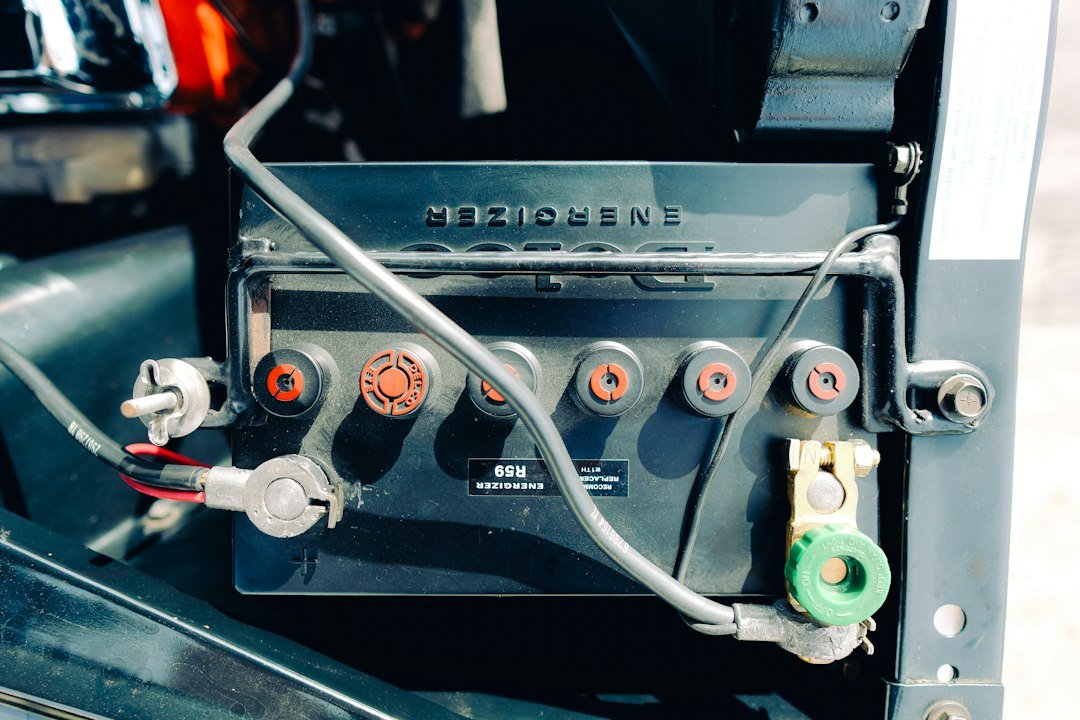
A pack can have enough voltage to pull in the solenoid coil and still not have enough under load to turn the motor. A single dead battery in a series pack, a loose terminal, or a corroded cable end creates the same symptom: a click, then nothing.
Look for white or green crust on the posts, cables that feel warm after a failed attempt, and terminals you can turn by hand. Clean and tighten everything, then check each battery individually. If your batteries are old, our comparison of lithium vs lead-acid golf cart batteries will help you decide what to replace them with.
2. Burned or Pitted Solenoid Contacts
This is the classic. The coil is healthy, so you hear the click, but the copper contacts inside are burned or pitted and no longer pass current cleanly. Solenoids commonly wear out after roughly four to six years, sooner on carts that see heavy hill work.
The tell is a solenoid that clicks but shows battery voltage across both large studs while the pedal is pressed. I walk through the exact test below.
3. A Misaligned or Worn Forward/Reverse Switch
On many electric carts the F&R switch has a rotating cam with contact studs. If those contacts are worn, dirty, or not lining up after a replacement, the solenoid will click, voltage will show up at the solenoid, and the cart still won’t go. Owners on cart forums point to this one again and again when a new solenoid didn’t fix anything.
Pull the cover, look for blackened or pitted contacts, and confirm the cam is seating squarely against them.
4. Loose, Broken, or Corroded Wiring
Cart harnesses flex, vibrate, and get wet. A wire can look fine and still be broken inside its insulation, especially where it enters the controller or a plug. Multi-pin connectors between the pedal box and controller are another favorite hiding place for corrosion.
Wiggle-test each connector with the cart safely jacked up, and look for green residue inside plug housings. A dab of dielectric grease after cleaning helps prevent a repeat.
5. A Failed Speed Controller
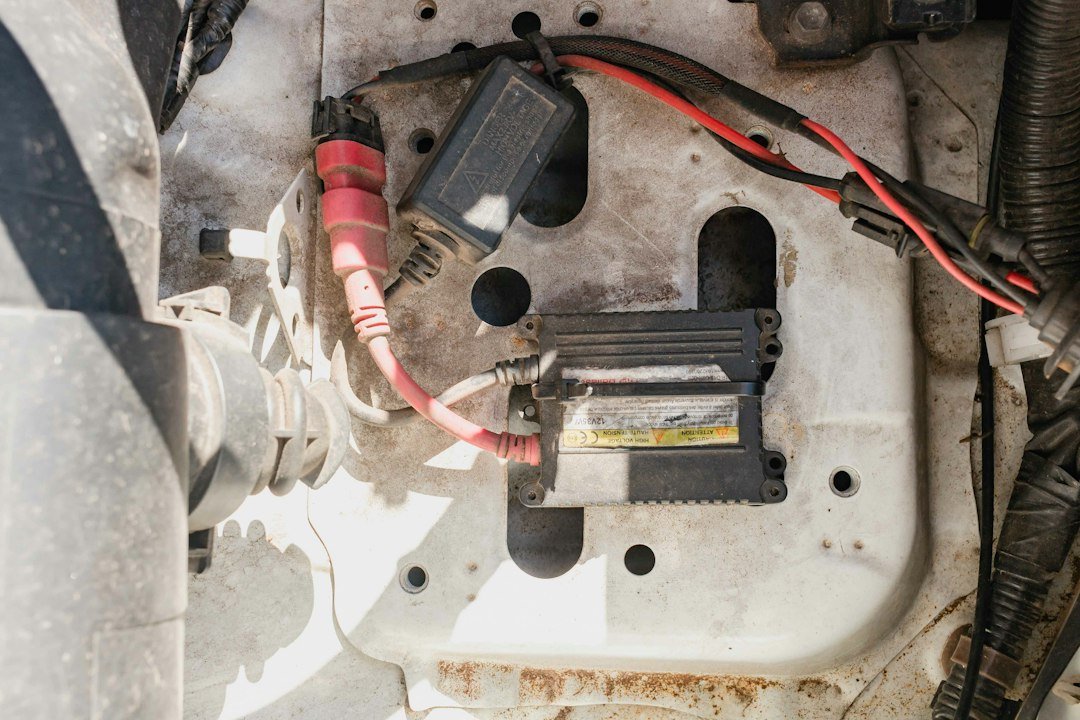
The controller decides how much current reaches the motor. When it fails, the solenoid can click normally while nothing reaches the motor, or the cart may creep and stall. Controllers are also expensive, so I only suspect one after the batteries, solenoid, switch, and wiring have all checked out.
6. A Motor Problem
Worn brushes, a dirty commutator, or a seized motor can all leave you with a click and no motion. A useful shortcut: if the motor spins when you power it directly (with proper cables and safety precautions, or by a shop), the motor isn’t your culprit. Our overview of how a golf cart motor works covers the failure signs, like burning smells, grinding, or a hum with no rotation.
Five-Minute Checklist When a Golf Cart Clicks But Won’t Move
Before you break out the meter, run through these quick checks. They solve more carts than you’d expect.
- Confirm the tow/run switch is on RUN. It’s easy to bump, and a cart left in TOW acts dead.
- Check the charger cord. Many carts have a charge interlock that blocks driving while plugged in, so make sure it’s fully unplugged.
- Look at the pack. Any loose, warm, or crusty terminal is suspect number one.
- Listen closely. A single sharp click points toward the solenoid contacts. A rapid chatter or clicking that repeats often means the batteries are too weak to hold the solenoid in.
- Try the other direction. If reverse works and forward doesn’t (or the reverse), the problem is likely the F&R switch or its wiring, not the solenoid.
If a golf cart clicks but won’t move after all five, you’ve earned the meter. One caution: if you have a gas cart, this article mostly won’t apply. Gas carts use a starter solenoid, so a click there usually means a weak battery, a bad starter, or a corroded ground strap instead.
How to Test the Solenoid With a Multimeter
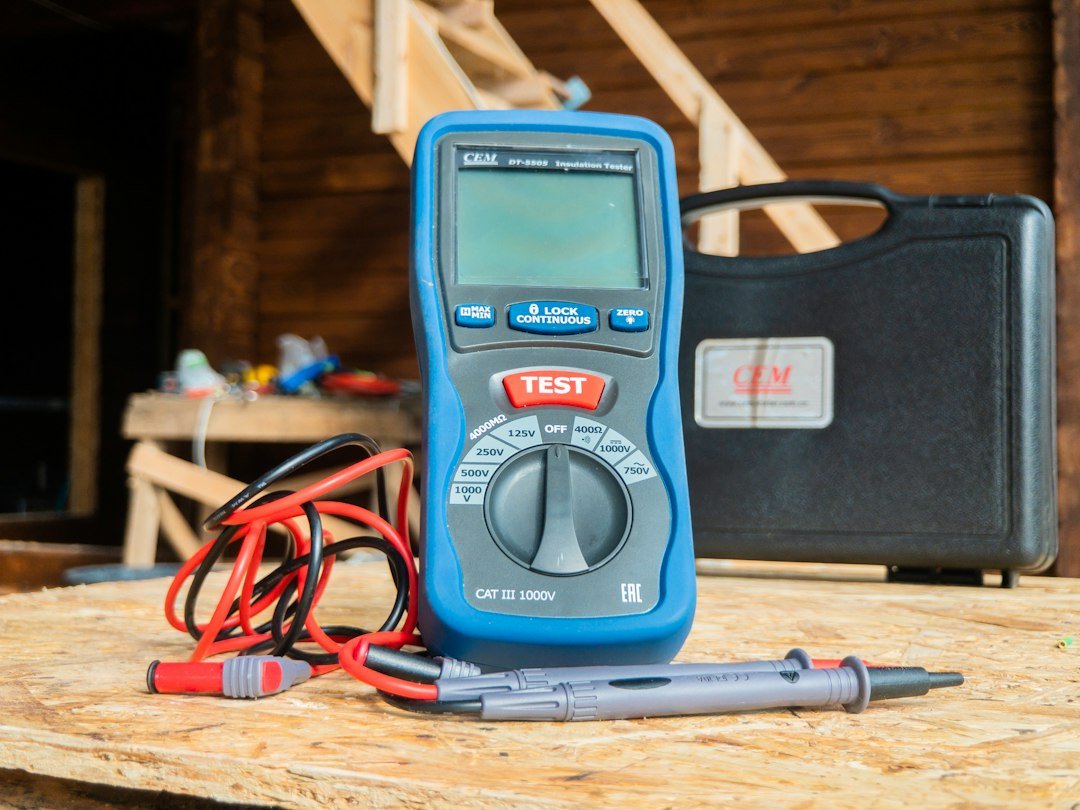
You don’t need a shop for this. A basic multimeter is enough, and Fluke has a solid primer on continuity testing if the settings are new to you.
- Find the solenoid. On most electric carts it sits under the seat near the controller, with two small terminals (the coil) and two large studs (the contacts).
- Test the coil with the batteries disconnected. Set the meter to resistance and touch the two small terminals. Most coils read somewhere around 15 to 75 ohms. Zero means shorted; infinite or OL means open. Either way, the solenoid is done.
- Test the contacts at rest. Across the two large studs, an unpowered solenoid should read open (OL).
- Reconnect the batteries, wheels off the ground, and measure voltage across the large studs while a helper presses the pedal. A good solenoid drops to near 0 volts across the studs because the contacts are closed. If you still see full pack voltage, the contacts aren’t passing current, and you’ve found your problem.
- Check voltage on the motor side. If the solenoid passes voltage but the motor gets none, keep working forward through the F&R switch, controller, and wiring.
A quick note on replacement: match the voltage (36V or 48V), the amp rating, and the terminal layout. Solenoid prices vary by brand, but it’s usually one of the cheaper repairs on this list.
Club Car, E-Z-GO, and Yamaha Notes
The logic above applies to all three big brands, but the layouts differ. Older E-Z-GO TXT models often send owners toward the F&R switch and pedal-box connectors. Club Car DS and Precedent carts frequently come down to the solenoid or cable ends. Yamaha owners should check the tow/run switch position first, since it’s easy to knock into TOW.
If you’re still deciding between brands, or want to know how their electrical systems differ, see our breakdown of Club Car vs E-Z-GO vs Yamaha. And always check your model’s service manual before replacing expensive parts.
When to Call a Technician
Stop and call a pro if you smell burning insulation, see melted plastic or scorch marks, or have worked through every step and the cart still won’t move. Controllers and motors need specialized testing, and guessing on a $300 to $600 part is a bad way to spend a weekend.
Frequently Asked Questions
Why does my golf cart click but not go when I press the pedal?
The click means the solenoid coil is pulling in, so the control circuit works. The fault is on the power side: worn solenoid contacts, weak batteries, a bad F&R switch, damaged wiring, the controller, or the motor.
Can a bad solenoid click and still fail?
Yes. This is the most common version of the problem. The coil clicks while the internal contacts are burned or pitted and can’t pass current.
Can weak batteries cause a click with no movement?
Absolutely. There can be enough voltage to trip the coil but too little under load to turn the motor, especially with one failed battery or a corroded terminal in the pack.
How long does a golf cart solenoid last?
Roughly four to six years is typical, depending on use, hills, and how often the cart starts and stops. Frequent heavy loads shorten that.
Is it the controller if the solenoid clicks and has voltage?
It can be, but rule out the F&R switch, wiring, and connectors first. They fail far more often and cost far less.
Could the tow/run switch be the problem?
Left in TOW, many carts won’t drive at all, so confirm it’s set to RUN before you pull anything apart. It takes five seconds.
Bottom Line
When a golf cart clicks but won’t move, don’t throw parts at it. Start with the batteries and cables, test the solenoid contacts, then work forward through the F&R switch, wiring, controller, and motor. Nine times out of ten the answer shows up in the first three steps, and your multimeter will tell you which one.