In this Article
If your golf cart goes forward but not reverse, it's rarely the motor — it's one testable part of the reverse circuit. Here are the 8 real causes and how to fix each one.
If your golf cart goes forward but not reverse, don’t assume the worst — this is one of the most common electrical complaints I hear from readers and students every season, and it’s almost never the motor or the batteries. In the vast majority of cases, one small part in the reverse circuit — a switch, a microswitch, or a corroded wire — is the only thing standing between you and a working reverse gear.
Below is exactly how I walk through this diagnosis: the eight real causes I see most often when a golf cart goes forward but not reverse, a quick decision tree to narrow it down fast, brand-specific notes for Club Car, E-Z-GO, and Yamaha, and a simple multimeter test you can run yourself before paying a shop to look at it.
Table of Contents
Table of Contents

Quick Checks Before You Start Diagnosing
Before you pull a single wire, rule out the simple stuff. It takes under a minute and fixes more carts than you’d expect:
- Key switch is in “Run,” not “Tow” or “Maintenance” — the tow position disconnects the motor entirely and mimics a much bigger problem.
- The seat is fully occupied on carts with a seat safety switch — an unlatched seat sensor blocks reverse on many models.
- The parking brake is fully released — a partially engaged brake can feel exactly like a dead reverse.
- Battery pack voltage is near nominal — roughly 36-38V resting on a 36V pack, 48-51V on a 48V pack. A weak pack usually drags down both directions, not just reverse.
If everything above checks out and the cart still goes forward but not reverse, move on to the causes below.
8 Real Causes When a Golf Cart Goes Forward But Not Reverse
These are the causes I actually see behind a cart that drives fine forward but goes dead the moment you shift to reverse, roughly in the order I’d check them:
1. A Failing Forward/Reverse (F&R) Switch
The F&R switch is the single most common culprit — in my experience it’s behind close to half of these calls. It’s a mechanical toggle that redirects current to run the motor in reverse, and its internal contacts wear out from years of flipping back and forth.
Symptom: forward works perfectly, reverse is completely dead or only catches when you wiggle the switch. Test: with the batteries disconnected, check continuity across the reverse-position terminals with a multimeter — no continuity where you’d expect a closed circuit means the switch has failed internally (full walkthrough below). Fix: a replacement F&R switch is inexpensive and usually a straightforward swap once you’re under the seat.
2. A Bad Reverse Micro-Switch
Many carts use a separate microswitch to detect when you’ve selected reverse, which triggers the backup beeper and tells the controller to run the motor backward.
Symptom: no beeper when you shift to reverse, and the cart won’t move at all. Test: press the plunger by hand and listen for a click, then test continuity across its terminals. Fix: microswitches are cheap, and it’s often faster to replace one outright than to chase intermittent contact.
3. Corroded or Broken F&R Wiring
Wiring for the reverse circuit runs under the seat and along the frame — exactly where moisture collects and vibration works insulation loose over the years.
Symptom: reverse works when the cart is dry and fails after rain, a wash, or a humid morning — or fails consistently if a wire has actually broken. Test: ohm-check each wire end to end, and look closely at connectors for a greenish-white crust, the telltale sign of corrosion bridging pins that should stay isolated. Fix: clean and reseal a corroded connector with dielectric grease, or replace a wire that’s actually broken.
4. A Tripped Reverse Buzzer or Safety Circuit
Club Car Precedent and E-Z-GO RXV models wire their backup buzzer in series with the reverse circuit itself. It’s a safety feature, but it means a dead buzzer takes reverse down with it.
Symptom: no backup beep at all when you try to reverse, on a cart that should have one. Test: temporarily jump the buzzer’s two terminals together and try reverse again — if reverse comes back, the buzzer or its circuit is the problem. Fix: replace the buzzer rather than leaving it bypassed; it’s there to warn people behind you.

5. A Pitted or Failing Solenoid
On older series-wound carts, the solenoid’s internal contacts pit and burn from years of arcing every time you touch the pedal.
Symptom: reverse is weak, stutters, or the solenoid clicks rapidly instead of engaging cleanly. Test: with the cart trying to reverse, check the voltage drop across the two large solenoid posts — anything over about 0.5V points to pitted contacts. Fix: a solenoid is a bolt-in replacement on most carts, and it’s the same component behind a lot of the electrical gremlins I cover in why a golf cart keeps blowing fuses, so it’s worth ruling out either way.
6. A Misconfigured Speed Controller
If your cart has ever had an aftermarket controller installed — brands like Curtis, Navitas, or Alltrax — reverse speed is a separate, programmable setting from forward speed.
Symptom: reverse went dead right after a controller swap, a firmware update, or after removing a speed limiter. Test: plug in the manufacturer’s handheld programmer and check the reverse-speed parameter — it’s occasionally left at zero by mistake. Fix: reprogram the reverse-speed setting; no parts needed.
7. Club Car OBC Lockout (Club Car Only)
Club Car’s onboard computer (OBC) can enter a lockout mode after a battery change, a low-voltage event, or extended storage, and reverse is often the first function it disables.
Symptom: sudden loss of reverse on a Club Car, usually right after battery service. Test: disconnect the main negative battery cable for about 30 minutes to force a full OBC reset, then reconnect and retest. Fix: if the lockout keeps returning, the OBC itself may need replacement — worth handing to a tech familiar with the brand-specific quirks in our Club Car vs E-Z-GO vs Yamaha comparison.
8. Worn Shift Linkage (Gas Carts Only)
Gas carts don’t have an F&R switch at all — reverse is selected mechanically, through a shift lever and cable connected to the transaxle.
Symptom: the lever feels loose, doesn’t fully engage, or reverse grinds instead of catching. Test: check the cable’s travel from the shift handle to the transaxle for slack or stretch. Fix: adjust or replace the shift cable — the one cause on this list that has nothing to do with the electrical system.
A Quick Decision Tree to Narrow It Down
If you want the fastest path to an answer, work through these questions in order:
- Does the backup buzzer sound when you shift to reverse? No — check the buzzer/safety circuit or the microswitch feeding it.
- Does the buzzer sound but the cart still won’t move? — Move on to the solenoid or controller.
- Does the cart click or hum when you try to reverse? Yes — suspect the solenoid or controller. No — the signal isn’t reaching the controller at all, which points back to the F&R switch or wiring.
- Is this a Club Car that just had its batteries serviced? — Reset the OBC before you replace anything.
- Is this a gas cart with a loose-feeling shift lever? — Check the shift cable, not the electrical system.
Brand-by-Brand Notes: Club Car, E-Z-GO, and Yamaha
The underlying causes are the same across brands, but where I’d start looking shifts a little depending on what you’re driving:
| Brand | Where Reverse Trouble Tends to Start | Watch For |
|---|---|---|
| Club Car | OBC lockout after battery service, or the F&R switch under the seat on DS/Precedent models | Sudden reverse loss right after battery work |
| E-Z-GO | The F&R switch on TXT models, or the RXV’s buzzer-linked safety circuit | No backup beep at all on RXV models |
| Yamaha | The microswitch on the forward/reverse selector under the seat (Drive2/G29) | Reverse works only when you wiggle the shifter by hand |
These vary by model year, so check your owner’s manual if your cart doesn’t match the pattern above — the fuse box and switch locations in our golf cart keeps blowing fuses guide are a useful reference for the same brands.
How to Test the F&R Switch Yourself (Multimeter Method)
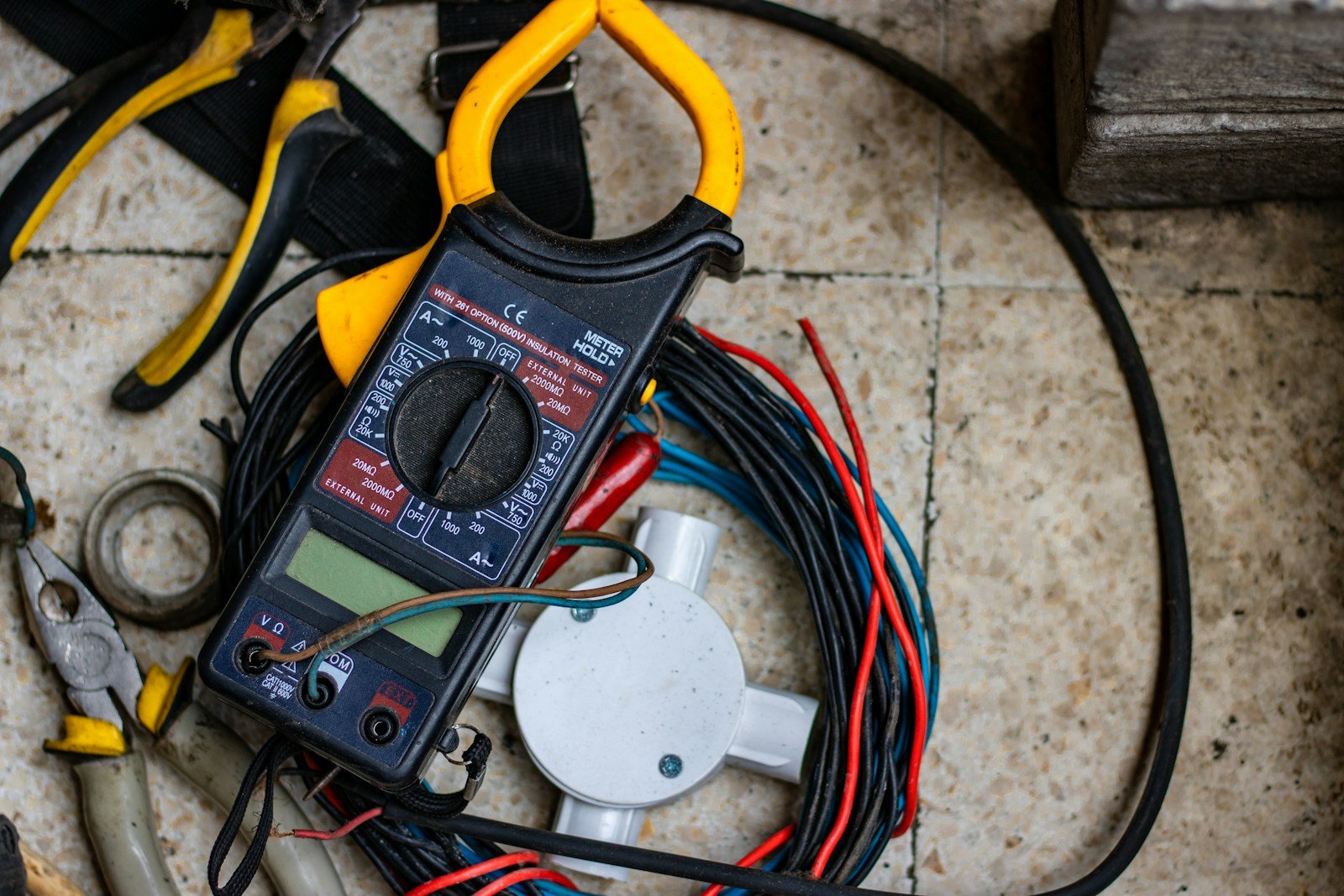
You don’t need a shop visit to test most of this — a basic multimeter and about fifteen minutes gets you a real answer. Fluke’s guide to continuity testing covers the fundamentals if you’ve never used one.
- Disconnect the batteries completely before you touch anything. You’re testing a dead circuit, not a live one.
- Locate the F&R switch under the seat and find its reverse-position terminals — check a wiring diagram for your model if they aren’t labeled.
- Set your multimeter to continuity mode (the sound-wave or diode symbol) or its lowest ohms range.
- Flip the switch to reverse and touch a probe to each of the reverse terminals.
- A steady beep or a reading near zero ohms means the switch is passing current correctly — the problem is downstream, in the microswitch, buzzer circuit, solenoid, or controller. Silence means the switch itself has failed.
- Repeat with the switch in forward to confirm the forward side still reads clean, which rules out a wiring issue at the connector itself.
What It Costs to Fix
| Cause | Typical Repair Cost (Parts + Labor) |
|---|---|
| F&R switch | $75 – $165 |
| Reverse microswitch | $45 – $85 |
| Buzzer/safety circuit | $35 – $65 |
| Solenoid | $95 – $210 |
| Controller reprogram | $50 – $90 |
| Club Car OBC replacement | $195 – $310 |
| Gas cart shift cable | $85 – $145 |
Most of these are within reach of a confident DIYer with a multimeter and an afternoon. The switch, microswitch, and buzzer are the cheapest and most common fixes — the OBC is the one repair here I’d generally leave to a tech.
When to Call a Technician
Call a professional if you smell burning insulation, see visible melting anywhere in the harness, or you’ve worked through every cause above and reverse is still dead on a fresh test. A cart with a fully sealed or internally-shorted controller needs diagnostic equipment beyond a basic multimeter to isolate safely, and that’s worth the shop visit rather than guessing at parts.
Frequently Asked Questions
Why does my golf cart go forward fine but not reverse at all?
In most cases it’s the forward/reverse switch or the microswitch that signals reverse to the controller — both wear out from repeated use and are inexpensive to test or replace. A cart that goes forward but not reverse rarely has anything wrong with the motor itself, since the same motor handles both directions.
Why did my golf cart lose reverse right after I changed the batteries?
On Club Car models, this is a classic sign of OBC lockout — the onboard computer disables certain functions, often reverse first, after a low-voltage event or battery service. Disconnecting the main negative cable for about 30 minutes usually clears it.
Is it safe to keep driving a golf cart that has no reverse?
It’s inconvenient more than dangerous — plan your parking and turnarounds carefully, since you’ll need to pull forward out of every spot. If the buzzer failed as part of the same fault, be extra cautious around people on foot, since they won’t get the usual warning.
How do I know if it’s the F&R switch or the solenoid?
Listen for the backup buzzer and any clicking from under the seat when you shift to reverse. No beep and no click at all usually points to the switch or its wiring; a click or hum with no movement points more toward the solenoid or controller.
Can a weak battery pack cause a golf cart to lose reverse only?
Rarely on its own — a weak pack usually weakens both directions, not just one. If reverse alone is affected, check the reverse-specific components first (switch, microswitch, buzzer circuit) before assuming it’s the batteries.
How much does it typically cost to fix a golf cart with no reverse?
Parts and labor for the most common fix, a new F&R switch, typically runs $75 to $165. A full controller or Club Car OBC replacement is the most expensive likely outcome, in the $200 to $300-plus range.
Bottom Line
A golf cart that goes forward but not reverse is one of the more approachable electrical problems you’ll run into. The failure almost always lives in one specific, testable part of the reverse circuit — the F&R switch, a microswitch, a buzzer, or a solenoid — rather than the motor or batteries that do the actual driving.
Work through the causes in order, starting with the F&R switch and microswitch, and you’ll usually have an answer — and a working reverse gear — well before you’d need to call a shop.