In this Article
If your golf cart is too tall for the garage, the fix usually isn't a new door — it's knowing exactly what's adding the height and which of five practical options gets you the inches back.
I got a text from a neighbor last month with a photo attached: his brand-new lifted Club Car, nose halfway into the garage, roof scraping the top of the door track. He’d measured the cart’s width, checked the floor space, and never once measured the height.
If your golf cart is too tall for the garage, you’re in good company — it’s one of the most common surprises new cart owners run into, and almost none of them saw it coming.
The good news is that this is rarely a “buy a new garage” problem. In most cases, a cart that’s too tall for the garage is only a few inches off, and there are several fixes that cost nothing to $500 and take an afternoon, not a construction project. Here’s how to figure out exactly how much clearance you’re missing, what’s actually adding the height, and which fix fits your situation. This golf cart too tall for garage problem has a handful of predictable causes — and just as many realistic fixes.
Table of Contents
How Tall Is a Standard Golf Cart, Really?
Before you touch a wrench or call a garage door company, you need real numbers, not guesses. Cart height varies more than most buyers expect, and the gap between “fits easily” and “doesn’t fit at all” often comes down to two features: the roof and the suspension.
Non-Lifted Carts With a Canopy
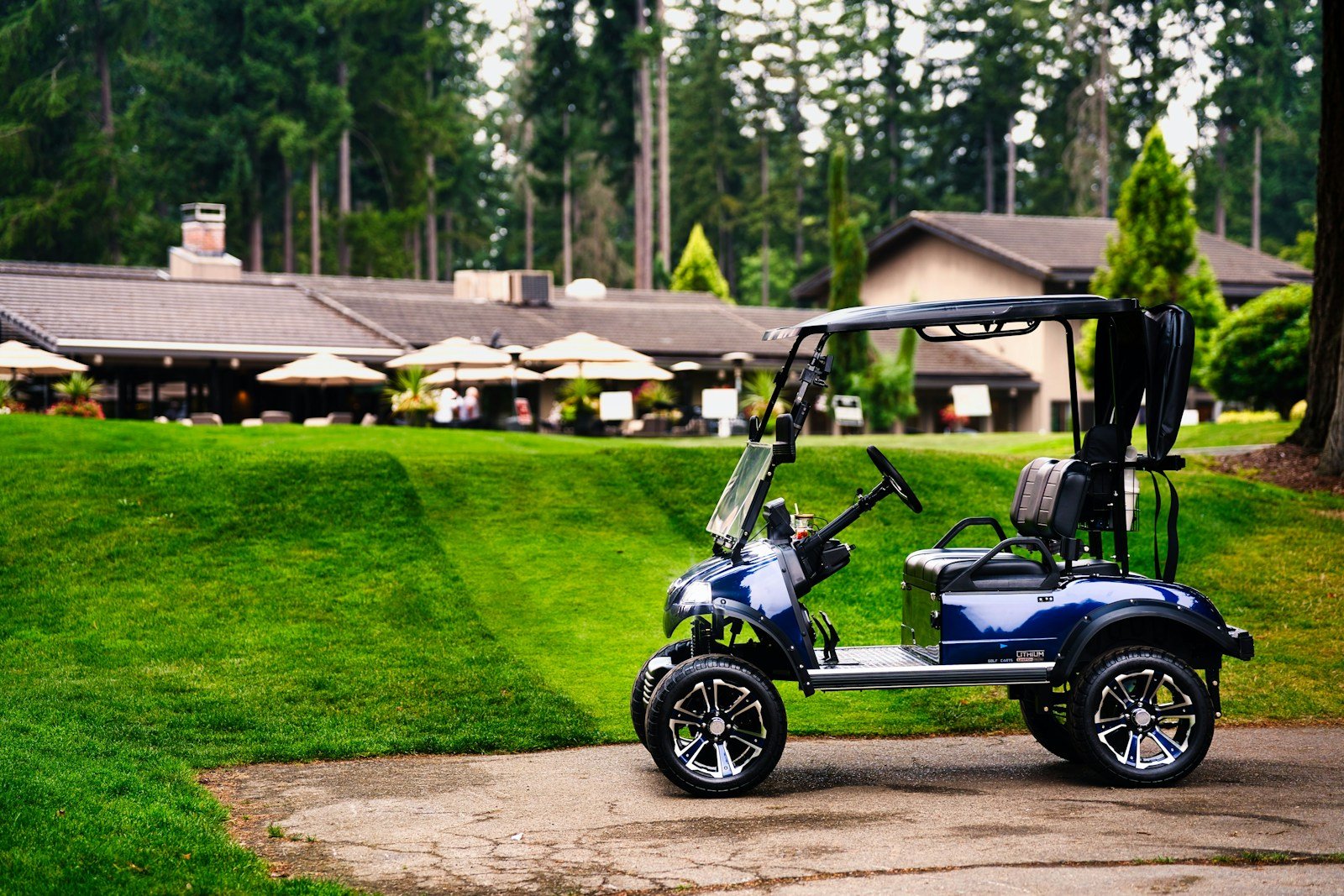
A standard, non-lifted golf cart with its factory canopy top on typically stands 70 to 76 inches tall. Club Car’s own spec sheet for the Onward 6-Passenger lists 75 inches topped and just 47.5 inches with the canopy removed — a 27.5-inch swing based on the roof alone. That gap is the first thing worth understanding: on most carts, the top itself is responsible for more than a third of the cart’s total height.
Lifted Carts
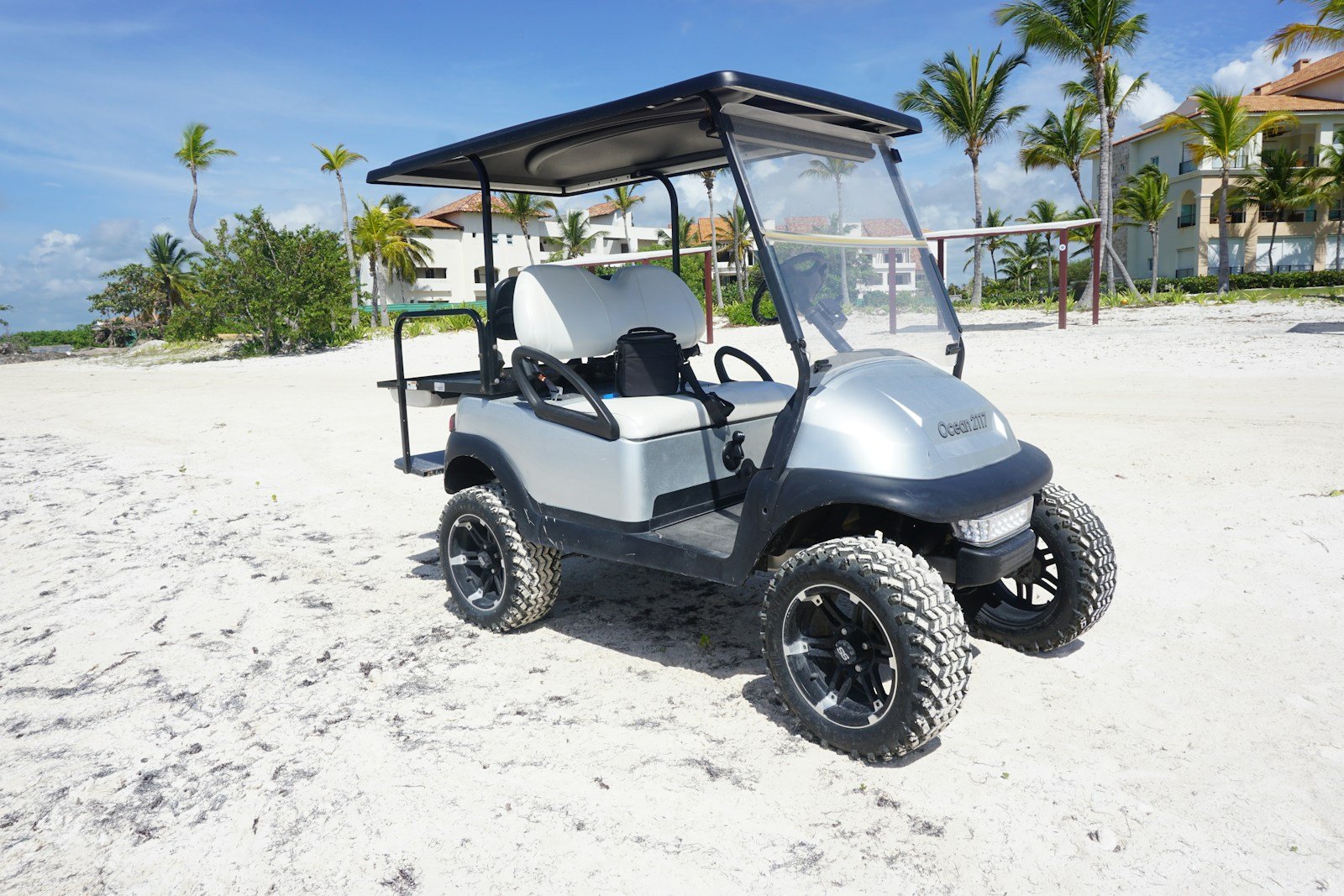
Add a lift kit and the math changes fast. The same Club Car Onward 6-Passenger jumps to 82 inches topped once lifted, and aftermarket lift kits on other brands commonly add 6 to 10 inches depending on the kit height and tire size. A 6-inch lift with 23-inch tires is a common combination, and it’s exactly the kind of setup that turns a cart that used to clear the garage into one that doesn’t.
6-Passenger and Stretch Carts
Longer carts built for six passengers don’t just add length — many also sit slightly taller than a standard 2 or 4-passenger model because of the extended roof structure needed to cover the third row. If you’re cross-shopping cart sizes, it’s worth checking height specs alongside the seating layout in our golf cart 6 seater buying guide, since the extra few inches can matter more than people expect once a garage is involved.
Bottom line: a non-lifted 4-passenger cart with the top on is almost always your safest bet for garage clearance. A lifted 6-passenger cart with big tires is the combination most likely to leave you with a golf cart too tall for the garage, full stop.
How Tall Is Your Garage Door, Actually?
The other half of the equation is your garage, and most homeowners have never actually measured their own door. According to Clopay, one of the largest residential garage door manufacturers in the U.S., seven feet (84 inches) is the standard height for most residential garage doors, though eight-foot doors have become more common in newer construction. Single-car openings typically run 8 to 10 feet wide; double doors run 12 to 18 feet wide, almost always at that same 7-foot height.
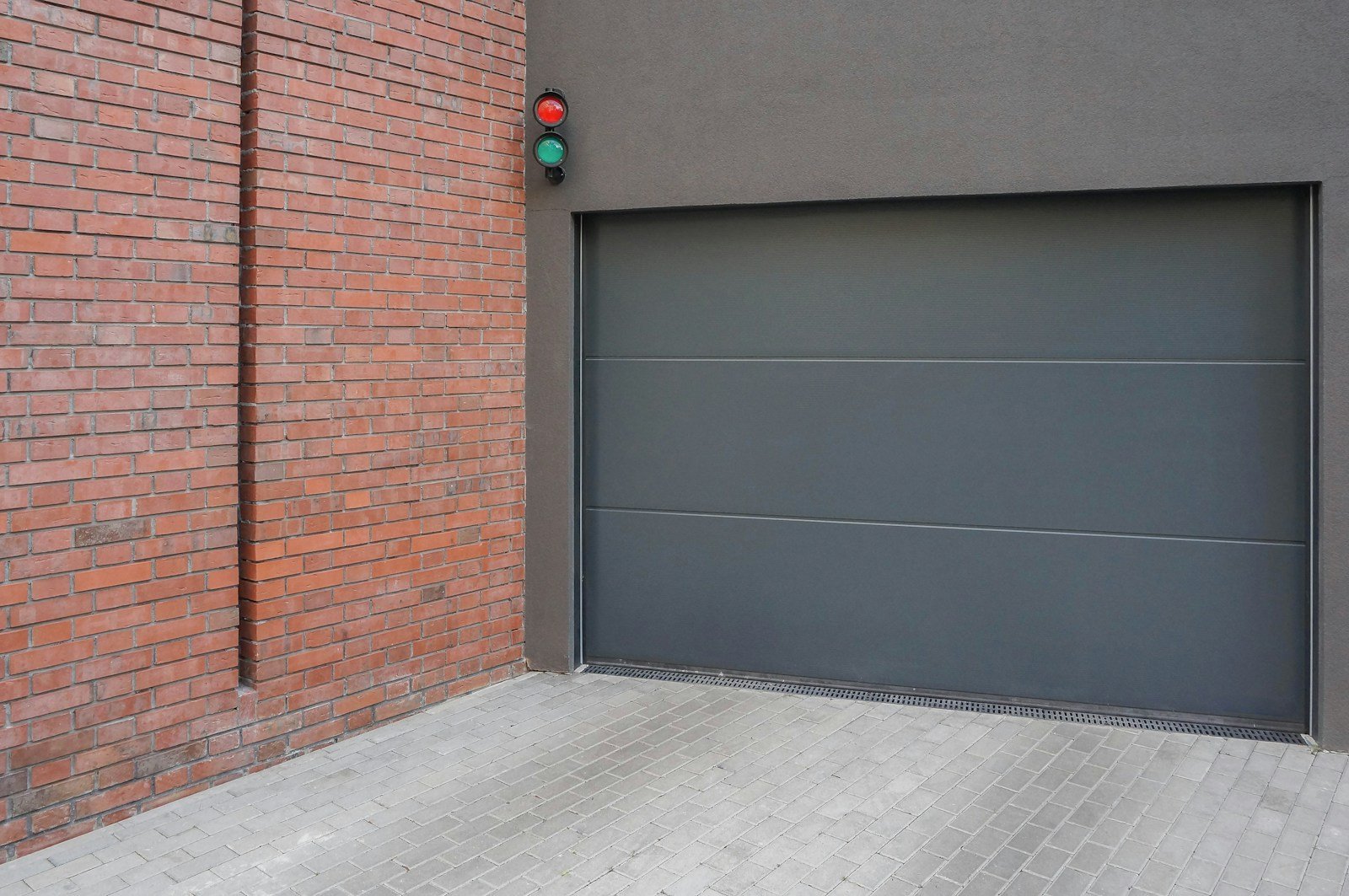
Here’s the part that trips people up: a 7-foot door opening doesn’t mean you have 84 inches of usable clearance. The track hardware, any hanging light fixtures, garage door springs, or a low-hanging opener rail can eat up 2 to 4 inches before your cart ever gets there. That’s why a cart specced at “75 inches, should clear an 84-inch door easily” sometimes doesn’t clear it at all.
Measure Before You Assume: The 5-Minute Check
Golf cart too tall for garage? The fastest way to find out for certain is a 5-minute measurement — skip the guesswork and do this instead:
- Measure your cart from the ground to the highest point of the roof, with the antenna folded down if it has one.
- Measure your garage door opening from the floor to the lowest hanging obstruction — not just the door frame, but any opener rail, spring, or light.
- Subtract the two numbers. Anything under 3 inches of clearance is tight enough that a hot day, slightly low tire pressure, or a driver rolling in a little too fast can turn “fits” into “doesn’t.”
- Do this again anytime you add a lift kit, bigger tires, a roof rack, or a taller aftermarket canopy — accessories are the single most common reason a cart that used to fit suddenly doesn’t.
If that math comes back negative, or close enough to make you nervous, you’ve confirmed the golf cart is too tall for the garage in its current setup — and you’ve got five realistic ways to close the gap.
5 Ways to Fix a Golf Cart Too Tall for Garage
1. Fold Down or Remove the Canopy Top
This is the cheapest fix and the first one to try. Since the topped-vs-untopped difference on most carts is 20+ inches, simply removing the top (or using a hinged, fold-down top designed for exactly this) can turn an impossible fit into an easy one. Most factory and aftermarket tops come off with four to six bolts and 15-20 minutes of work. The tradeoff is obvious: no roof means no protection from sun or rain once it’s parked, and you’ll need to store the top itself somewhere.

2. Install a Roof Lowering Kit
If removing the top entirely isn’t practical, a roof lowering kit is the middle-ground option. These kits use shorter brackets or struts to drop the canopy 3 to 5 inches lower than stock while keeping it attached and functional. Pricing typically runs $50 to $150 for basic bracket kits and up to $200+ for more involved versions, and installation is usually a bolt-on job, though some kits require light drilling or cutting the factory roof supports. Check compatibility carefully — kits built for older 1-inch square tubing frames often don’t fit newer Club Car Precedent, Onward, or Yamaha Drive2 frames.
3. Adjust the Garage Door Opener’s Travel Limit
Sometimes the cart fits the door opening just fine, but the garage door opener itself is programmed to stop a few inches before it reaches full travel. Most chain and belt-drive openers have an “up limit” adjustment (a screw, dial, or button sequence depending on brand and age) that controls exactly how far the door rises. Bumping that limit out to the door’s true full-open height is free and takes 10-15 minutes, and it’s worth checking before you spend a dollar on anything else, since it’s the single most overlooked reason a golf cart is too tall for the garage even when it technically shouldn’t be.
4. Drop Tire Pressure Slightly
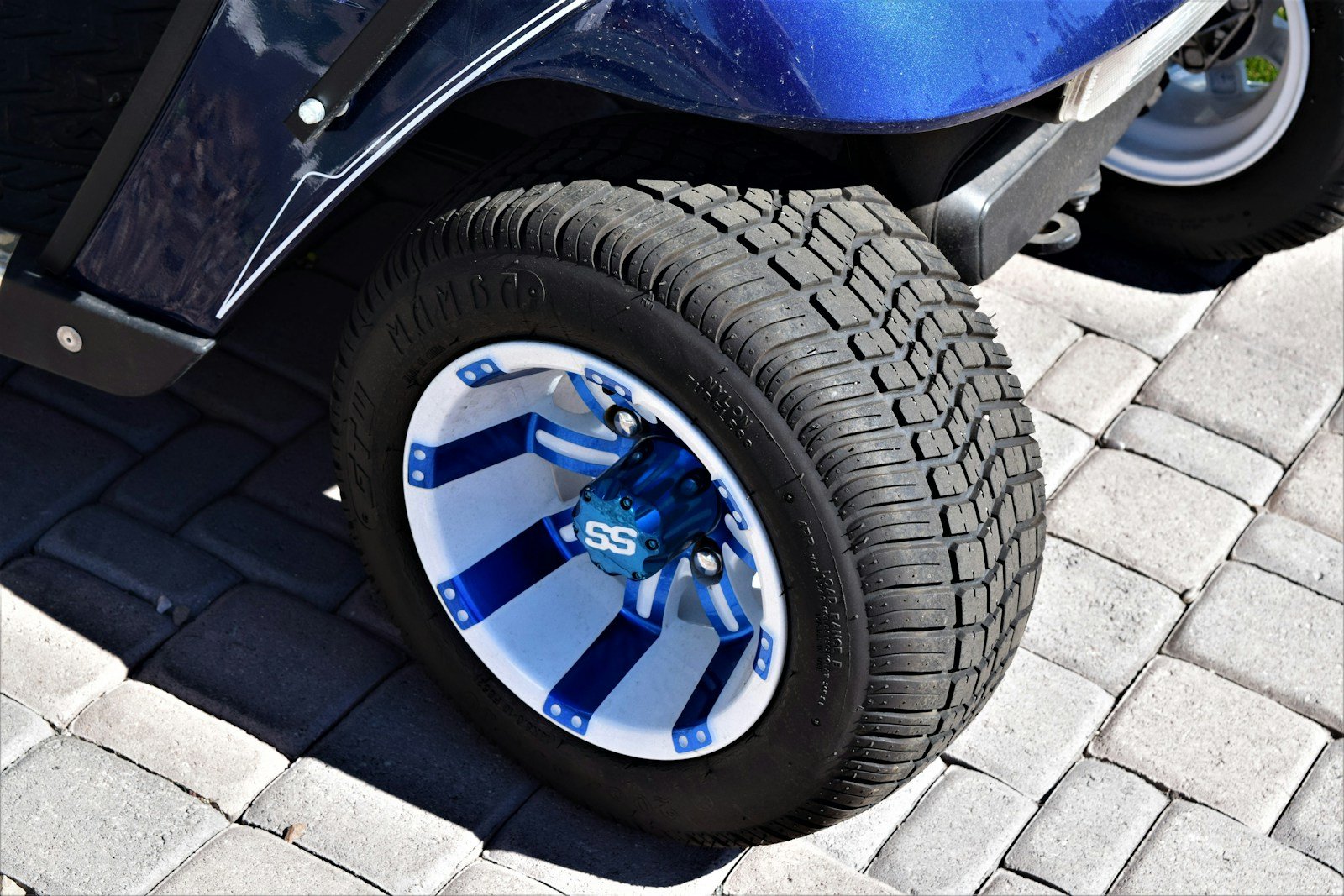
This one buys you the least — usually half an inch to an inch — but it’s free and instant. Dropping tire pressure to around 15 PSI (never below what your tire’s sidewall lists as a safe minimum) compresses the tire slightly and can be the difference-maker when you’re only a hair short. Don’t rely on this alone if you’re more than an inch off; it’s a supplement to the other fixes, not a real solution on its own, and running pressure too low accelerates uneven tread wear.
5. Upgrade to a Taller Garage Door
If your cart is lifted, oversized, or you simply don’t want to modify it at all, replacing a 7-foot door with an 8-foot door solves the problem permanently. Expect to pay $300 to $1,200+ installed depending on material and whether the opener and track also need replacing to handle the taller panel. This is the right call if you’re building or renovating anyway, or if you’ve already maxed out the cheaper options and still don’t have clearance. It’s also worth checking your HOA rules first, since some communities restrict modifications visible from the street.
| Fix | Typical Height Gained | Cost | Time |
|---|---|---|---|
| Remove/fold canopy top | 20-27 inches | $0 | 15-20 min |
| Roof lowering kit | 3-5 inches | $50-$200 | 30-90 min |
| Adjust opener travel limit | Up to full rated door height | $0 | 10-15 min |
| Lower tire pressure | 0.5-1 inch | $0 | 5 min |
| Taller garage door (8 ft) | 12+ inches | $300-$1,200+ | Half day (pro install) |
When Outdoor or Alternative Storage Makes More Sense
A golf cart too tall for garage storage by a wide margin is not always worth fighting with bolt-on fixes. If it’s too tall for the garage by 10 inches or more — a heavily lifted cart on 23-inch tires under a 7-foot single-car door is the classic case — closing that gap with bolt-on fixes gets impractical fast. In that case, a fitted outdoor cover, a carport with open sides and no overhead door, or a small storage shed built to the cart’s actual height are often more realistic than forcing a garage fit.
It’s also worth thinking about how the cart moves, not just where it sits. If you’re regularly hauling the cart to a different course or storing it off-site part of the year, a properly sized golf cart trailer sidesteps the garage-height problem completely, since the cart never needs to squeeze through a door opening in the first place.
And if height is a recurring headache across every cart you’ve owned, it’s worth factoring into your next purchase. Frame height, standard roof height, and how easily the top removes vary by manufacturer — something we break down brand by brand in our Club Car vs E-Z-GO vs Yamaha comparison.
Frequently Asked Questions
What is the standard height of a golf cart?
Most non-lifted golf carts with the canopy on stand between 70 and 76 inches tall. Removing the canopy typically drops that to somewhere in the high 40s to low 50s in inches, since the roof and its support structure make up more than a third of a cart’s total height.
Will a lifted golf cart fit in a standard 7-foot garage door?
It depends on the lift height and tire size, but it’s often tight or impossible. A cart lifted 6 inches with larger tires can reach 80-83 inches topped, leaving only 1-4 inches of clearance under a true 84-inch door opening — and less once you account for opener hardware. Always measure your specific cart and door rather than assuming.
How do I lower my golf cart to fit in the garage without cutting anything?
Start with the free, reversible options: fold down or remove the canopy top, check whether your garage door opener’s travel limit is set lower than the door’s true full-open height, and try slightly lower tire pressure. Together those three can often solve a golf cart too tall for garage problem without any permanent modification.
How much does a golf cart roof lowering kit cost?
Most bolt-on roof lowering kits run $50 to $200 and drop overall height by roughly 3 to 5 inches. Some require light drilling into the factory roof supports, and compatibility varies by frame type, so check your cart’s exact model before ordering.
Is it cheaper to modify my cart or replace my garage door?
Modifying the cart is almost always cheaper up front — most of the fixes above cost $0 to $200. Replacing a garage door with a taller one runs $300 to $1,200 or more installed. The door replacement makes more sense if you don’t want to alter the cart at all, or if you’ve already tried the cheaper fixes and are still short on clearance.
Does removing the top void my golf cart’s warranty?
Removing a bolt-on factory top is generally reversible and doesn’t affect drivetrain or electrical coverage on most brands, but always check your specific manufacturer’s warranty language first, especially if the top is being cut, drilled, or permanently altered rather than simply unbolted.
Final Thoughts
A golf cart too tall for the garage feels like a bigger problem than it usually is. In almost every case I’ve seen — including my neighbor’s lifted Club Car — the fix was a $0 to $150 afternoon project, not a new door or a new garage. Measure both numbers honestly, start with the free fixes, and only move to a garage door upgrade if the cheaper options genuinely don’t get you there.