In this Article
Thinking about a golf cart 6 seater for your family or neighborhood? Here's what actually matters — seating layout, battery type, street-legal rules, and real 2026 pricing.
Some links below are affiliate links. If you buy through them we may earn a small commission at no extra cost to you. It never changes what we recommend.
If you’ve outgrown a standard 4-seat cart, a golf cart 6 seater solves the obvious problem – more people, more gear, one vehicle – but it creates a few new ones. Six passengers add roughly a thousand pounds of payload, which changes what battery you need, how the thing tows, and even whether it fits in your garage.
This guide covers what actually matters when you’re shopping: real dimensions, seating layouts, electric versus gas, street-legal rules, and what you should expect to pay in 2026.
The short answer
- Family or neighborhood use: a forward-facing, three-row electric model with a lithium pack. Denago EV, Club Car’s Precedent 6-Passenger, and ICON EV’s i60 are the safest picks in this category.
- Tight garage or driveway: measure before you buy. Most 6 seaters run 134 to 161 inches long – a foot or more longer than a 4-seat cart – and that extra length is the single most common surprise buyers run into.
- Driving on public roads: you need a street-legal, LSV-spec model with headlights, seatbelts, mirrors and a windshield, not a standard golf-course cart with add-on lights.
- Budget buyers: a used, ex-fleet 4-seater stretched by a reputable shop can undercut a new 6-seater by thousands, but always ask who did the stretch and inspect the welds.
Golf Cart 6 Seater Dimensions: Will It Fit Your Garage and Trailer?
Length is where most people get caught out. A 6-passenger cart isn’t just a 4-seater with extra cushions bolted on – the frame itself is stretched, usually by two to three feet, to fit a third row.
| Dimension | Typical range | Why it matters |
|---|---|---|
| Length | 134–161 in (11–13.5 ft) | Sets your garage bay and trailer needs |
| Width | 48–60 in (4–5 ft) | Usually fits a standard garage door; check lifted models |
| Height | 72–80 in | Watch for garage door openers and low ceilings |
| Weight | 1,200–1,500 lb (empty) | Add roughly 1,000 lb for six adults – relevant for trailers and hills |
For reference, the Club Car Precedent 6-Passenger Limo – one of the most common factory-stretched models on the market – measures about 142 inches long. Before you buy anything, put a tape measure on your actual garage bay and driveway turn radius. A cart that’s a foot too long is a genuinely common and entirely avoidable mistake.
Forward-Facing vs Rear-Facing: Which 6-Passenger Layout to Choose
There are two ways manufacturers get six people onto one chassis, and they ride very differently.
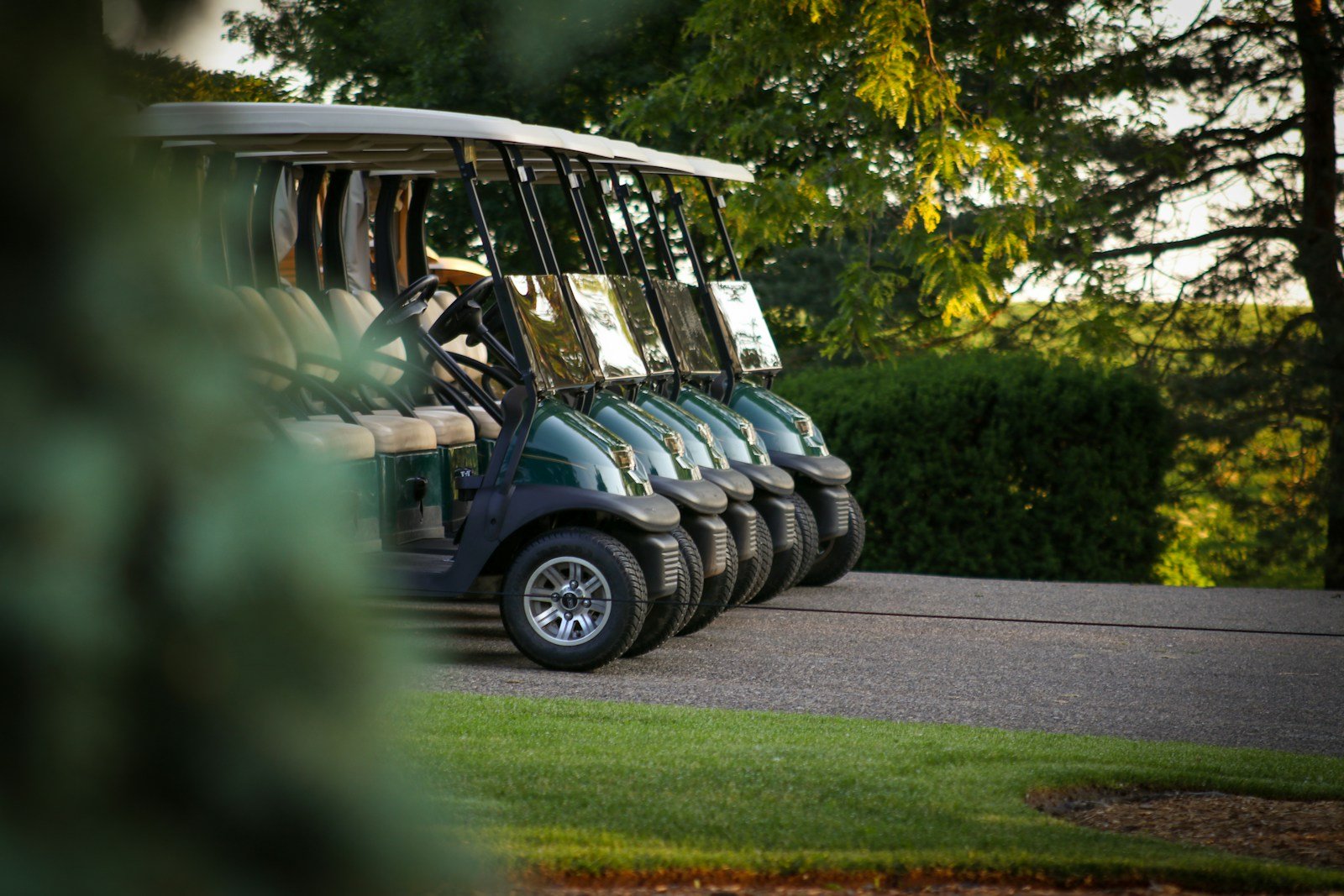
- Three forward-facing rows. The modern default. Everyone faces the direction of travel, which is safer and more comfortable at speed, and it’s the layout most street-legal LSV models use. Entry and exit is usually via the third row.
- Forward row plus a rear-facing “jump seat.” The traditional golf-course layout – two rows facing forward, with a rear bench that faces backward. Cheaper to build and easier to load golf bags into, but riders in the back seat face away from traffic, which matters if you’ll ever use the cart on a road.
If the cart will only ever live on a golf course or a private property, rear-facing jump seats are fine and often cheaper. If it’s going anywhere near a public road, pay the extra for a forward-facing three-row layout.
Electric or Gas for a 6 Seater Golf Cart
The calculation shifts once you add two extra passengers. Electric is still the right call for most buyers – quieter, cheaper to run, and simpler to maintain – but the battery decision underneath it matters more than it does on a 4-seater.
Gas still wins if you need long range with no charging downtime, or you’re regularly hauling six adults up real hills. For that comparison in more depth, see our guide to golf carts on hills, which covers torque, gearing and motor types in detail.
Why Lithium Batteries Matter More With Six Passengers
Six adults plus a couple of golf bags can add close to 1,000 pounds to the cart’s normal load. Lead-acid battery packs sag under that kind of sustained draw – you feel it as fading power on the second or third hill of the day. Lithium holds voltage flat until the pack is nearly empty, so a fully loaded 6-seater on lithium performs almost the same at the end of the day as it did at the start.
It’s also lighter. A lithium pack typically saves 200 to 300 pounds over the lead-acid equivalent, which partly offsets the extra weight of the third row and the passengers riding in it. For the full comparison – cost, lifespan, charging behavior – read our lithium vs lead-acid breakdown. Our take: on a 6-passenger cart, lithium isn’t a luxury upgrade, it’s close to a requirement if you actually plan to use all six seats regularly.
Top Brands and Models Worth Considering
The three legacy brands – Club Car, E-Z-GO and Yamaha – all build factory 6-passenger models, and a handful of newer electric-focused brands have carved out real market share in this size class specifically. We cover the legacy three in detail in our Club Car vs E-Z-GO vs Yamaha comparison; here’s how the field looks for 6-seaters specifically.
- Club Car Precedent 6-Passenger Limo. The aluminum frame advantage carries over from the 4-seat lineup – the strongest resale value in the category and the best choice if the cart lives outdoors in a humid climate.
- Denago EV. A newer electric-focused brand that’s built its reputation specifically on multi-passenger models, typically running 48V lithium packs as standard rather than an upgrade.
- ICON EV and Evolution. Both offer forward-facing 6-passenger LSV models with factory street-legal packages, which simplifies the titling process considerably compared to retrofitting one yourself.
- Yamaha. The gas pick if you want a 6-seater for a large property or heavy regular hauling with no charging downtime.
Beyond the big names, newer entrants like the ATS Power 6-Seater, the Edge Vortex V6 and the Maverick-6 have pushed the segment further with automotive-grade suspension, integrated touchscreens and larger lithium packs as standard equipment. They’re worth cross-shopping against the legacy brands if you want the newest tech, though parts support won’t be as widespread for a few years yet.
Is a Golf Cart 6 Seater Street Legal?
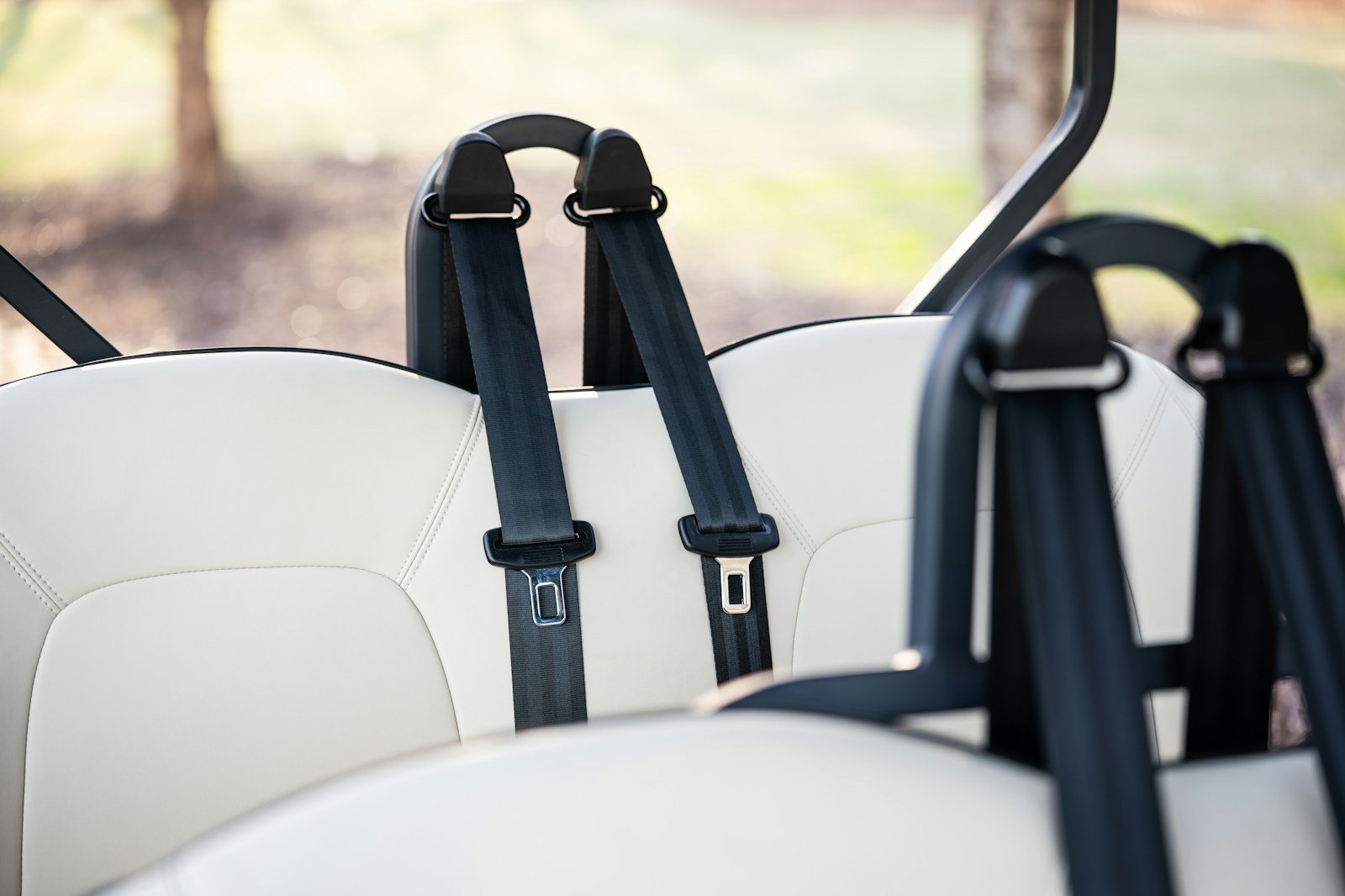
Size alone doesn’t make a cart street legal – equipment does. If you plan to drive on public roads, you’re shopping for a Low-Speed Vehicle, not a golf cart, and that’s a distinct federal vehicle class with mandated equipment: headlights, brake lights, turn signals, mirrors, a windshield and seat belts for every seat.
The federal safety standard for LSVs is set by the National Highway Traffic Safety Administration, and individual states layer their own registration, insurance and licensing rules on top of that. Those state rules vary a lot, so check yours before you buy rather than after – some states cap LSVs at four occupants on public roads regardless of how many seats the cart has, which is worth confirming locally if street use is the whole point of going to six seats.
Buying a factory-built LSV model is almost always cheaper and less hassle than retrofitting a standard cart, because a retrofit still has to pass your state’s inspection and titling process on top of the parts cost.
What a Golf Cart 6 Seater Actually Costs in 2026
Expect to pay noticeably more than a 4-seat cart, and not just because of the extra seats. A golf cart 6 seater carries a bigger frame, a bigger battery, and usually a bigger warranty claim if something goes wrong, all of which show up in the price tag.
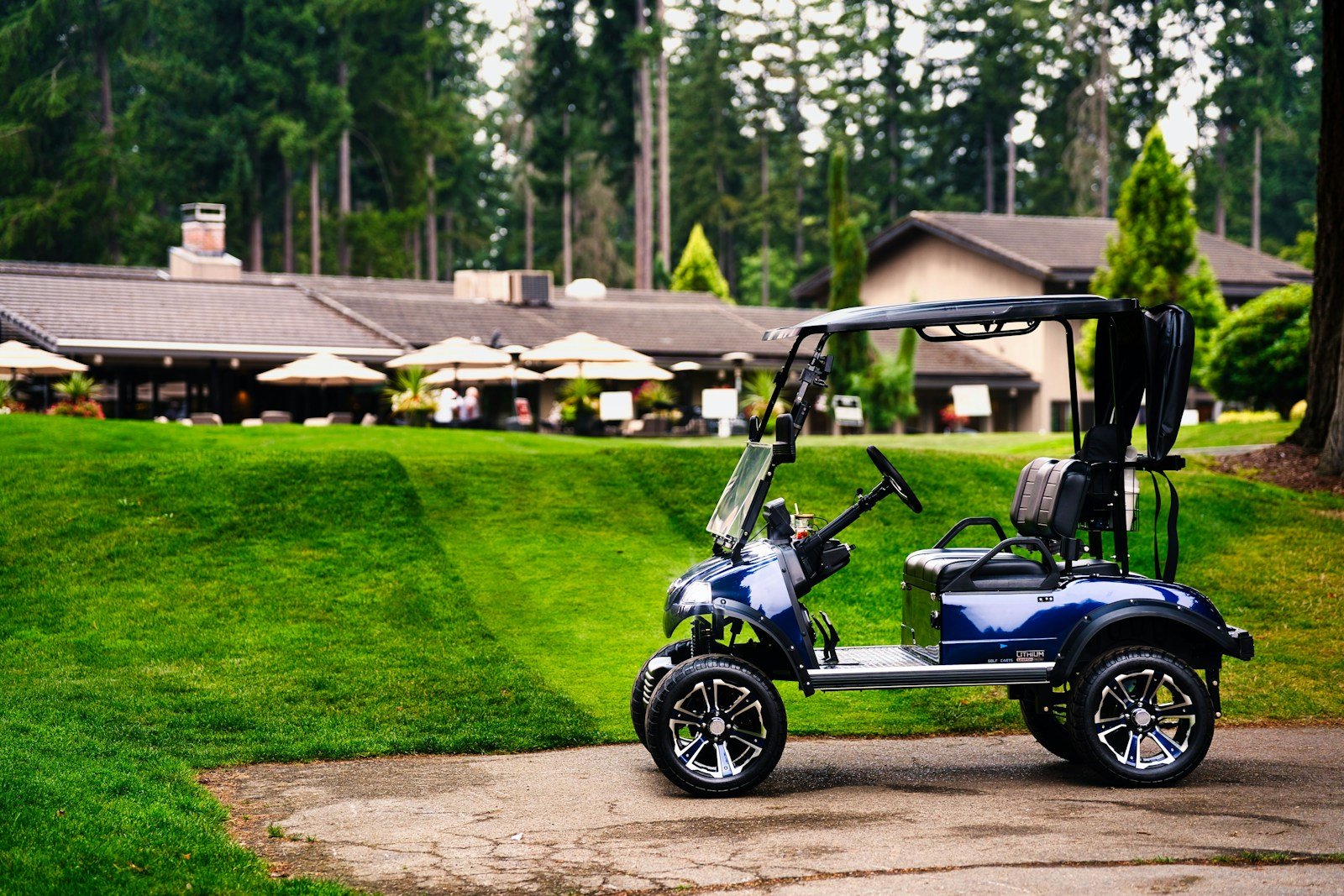
- Entry-level electric: roughly $11,000–$12,000, usually with a lead-acid pack.
- Well-equipped family model with lithium: $13,000–$15,000.
- Street-legal LSV configuration, upper trims: $15,000–$18,000.
- Used, ex-fleet or privately stretched: significantly less, but budget for a full inspection – see the frame and battery checks in our brand comparison guide above.
Lithium is usually the single biggest line-item jump on the spec sheet, often $2,000–$3,000 over a lead-acid equivalent. Given how much that battery has to work on a fully loaded 6-seater, we think it’s the upgrade worth prioritizing over cosmetic options if your budget forces a choice.
Towing and Storage: Trailers, Garages, and Weight
The extra length changes your trailer math too. Most 6-seaters need a 6×14 or 7×14 trailer rather than the shorter trailers that handle a standard 4-seat cart comfortably, and a lifted 6-seater with oversized tires pushes you toward the larger end of that range.
If you’re transporting the cart regularly rather than just storing it, read our full golf cart trailer sizing and towing guide before you buy either the cart or the trailer – getting the pairing wrong is an expensive mistake to correct after the fact.
For garage storage, don’t just check the door width. Check the depth of the bay against the cart’s full length plus a few feet of clearance to walk around it, and check ceiling height if the model has a roof or you’re considering a lift kit later.
Frequently Asked Questions
How long is a 6 seater golf cart?
Most run between 134 and 161 inches (roughly 11 to 13.5 feet), depending on the brand and whether it’s a factory stretch or an aftermarket conversion. Always confirm the exact length for the specific model you’re considering.
How much does a 6 seater golf cart weigh?
Typically 1,200 to 1,500 pounds empty. Add roughly 1,000 pounds for six adult passengers, which is why a lithium pack and a properly rated trailer both matter more on this size of cart.
Are 6 seater golf carts street legal?
Only if they’re built or converted to LSV specification – headlights, brake lights, turn signals, mirrors, a windshield, seat belts and a VIN – and registered under your state’s rules. A standard golf-course cart is not street legal just because it has six seats.
What trailer size do I need for a 6 seater golf cart?
Most owners use a 6×14 or 7×14 trailer. Lifted models with larger tires typically need the larger end of that range, and it’s worth checking the trailer’s rated payload against the cart’s loaded weight, not just its empty weight.
Is lithium worth it on a 6 seater golf cart?
For most buyers, yes. The added weight of six passengers is exactly the situation where lead-acid packs sag and lose performance late in the day. Lithium costs more upfront but holds voltage flat under that load and weighs less to begin with.
Can a 6 seater golf cart go up hills?
Yes, but the extra weight of six passengers makes motor torque, gear ratio and battery type matter more than they do on a lightly loaded 4-seater. See our full hill-climbing guide for the specifics.
Bottom Line
A golf cart 6 seater is the right call the moment you’re regularly leaving someone behind or making two trips. Just buy it with the extra weight in mind: measure your garage and trailer before you fall in love with a model, prioritize lithium if six seats will actually get used, and confirm the street-legal equipment separately from the seat count if you plan to drive it anywhere near a public road.
Get those three things right and a 6-seater is one of the more genuinely useful vehicles you can own on a golf course community or a large property – it just costs more to get wrong than a 4-seater does.