In this Article
Most flooded lead-acid golf cart packs need water every 2 to 4 weeks, and weekly in a hot summer. Here is the schedule by use and season, plus how to fill each cell the right way.
If you are wondering how often to water golf cart batteries, the short answer is every 2 to 4 weeks for most carts, and as often as weekly during a hot summer. The longer answer depends on how much you drive, how old the pack is, and how hot it gets where you park.
I am Andrew James, and after seven years teaching golf and hanging around the carts that haul my students, I have seen more packs ruined by thirst than by anything else. Flooded batteries are cheap to keep alive and expensive to replace. This guide gives you a schedule you can actually follow, plus the exact steps for filling each cell.
Table of Contents
Table of Contents
Which Golf Cart Batteries Need Water
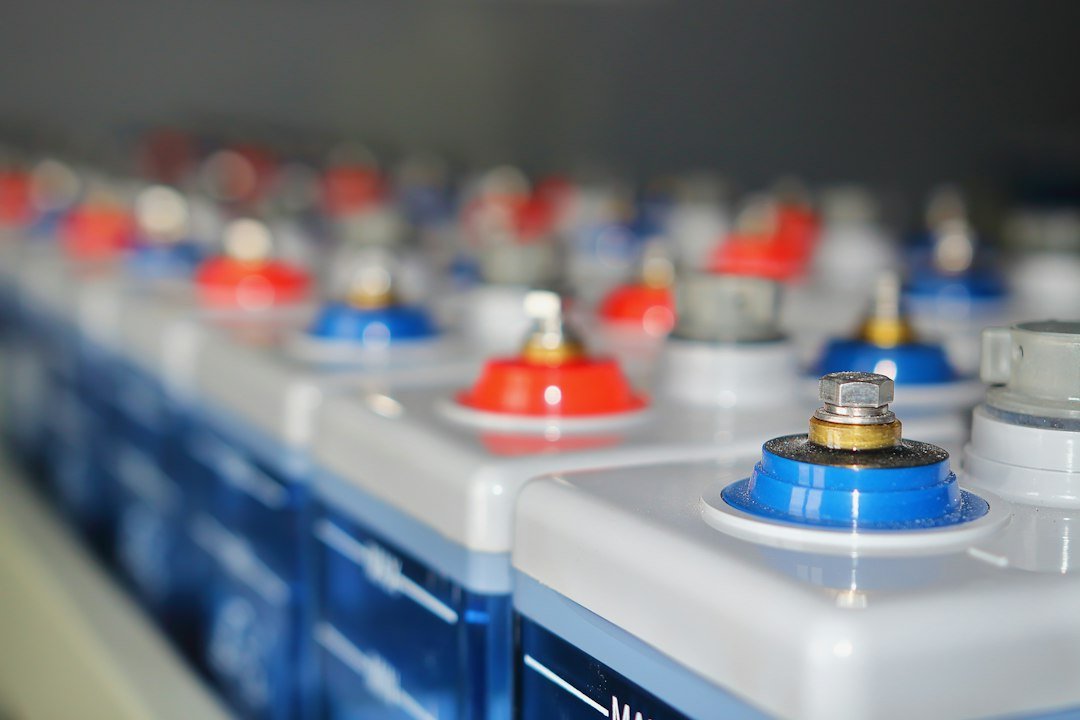
Only flooded lead-acid batteries need water. These are the traditional 6-volt, 8-volt, or 12-volt batteries with removable caps on top, and they make up most of the carts you will see on a course or in a garage.
Sealed AGM and gel batteries are closed units, and you should never pry them open. Lithium packs have no liquid electrolyte at all, so they never need a refill. If you are still deciding between the two, my lithium vs lead-acid golf cart battery guide covers the real cost of ownership, including the maintenance you skip with lithium.
Here is why flooded batteries get thirsty. Every charge splits a little water in the electrolyte into hydrogen and oxygen, and those gases escape through the vents. The sulfuric acid stays behind, but the water does not come back on its own, so you have to replace it.
How Often to Water Golf Cart Batteries by Use and Season
The honest answer is that no single number fits every cart. A retiree who rides nine holes on Saturday and a resort driving twelve rounds a day lose water at very different speeds. Start with the table below, then adjust after your first few checks.
| Your situation | Check the water every |
|---|---|
| Daily driving in a hot climate or summer | 1 to 2 weeks |
| Daily driving in mild weather | 2 to 3 weeks |
| Weekend or recreational use | About 4 weeks |
| Cart in storage | About once a month |
| Brand-new batteries | After the first 5 to 10 charge cycles, then follow the rows above |
Another rule of thumb is every 10 to 15 charge cycles, which works well if you track how often you plug in. Older batteries drink faster than new ones, so tighten the schedule as the pack ages.
Why Heat Changes the Schedule
Heat speeds up water loss, and deep discharges make it worse. A cart parked in a hot Arizona garage in July needs checking far more often than the same cart in a cool Ohio basement in January.
Cold weather slows gassing, so you can stretch the interval a little in winter. Do not stretch it to zero, though. Low electrolyte in a stored pack exposes the plates, and exposed plates are damaged for good.
Build Your Own Baseline
After two or three checks you will see how fast your pack actually uses water. If you top off every cell and find them barely down after three weeks, stretch the interval. If the cells are low after one week, shorten it.
Write the date on a piece of masking tape inside the battery compartment or in your phone. A simple log makes it obvious when one cell starts using more water than the others.
When to Add Water: After the Charge, Not Before
Timing matters as much as frequency. The electrolyte rises and warms up as the battery charges, so water you add to a half-empty cell before charging can bubble out the top and eat away at the tray and cables.
So the normal routine is simple. Charge the pack fully, let it rest, then check each cell and top off only the ones that are low.
There is one exception. If you open a cell and the lead plates are sitting dry, add just enough distilled water to cover them before you charge. Then recheck after the charge and top off to the proper level.
How to Fill Each Cell Step by Step
This takes about 15 minutes for a six-battery pack once you have done it a couple of times. Gather distilled water, a funnel or a battery filler bottle, safety glasses, rubber gloves, and a rag.
- Charge the pack fully. Let the charger finish its cycle and give the batteries a little time to cool.
- Gear up and ventilate. Turn the key off, set the tow/run switch to TOW, and work in an open, spark-free space. The electrolyte is sulfuric acid.
- Clean the tops. Wipe dirt off the caps so nothing falls into the cells when you open them.
- Open the caps and look. You want the plates covered, with the liquid at the bottom of the fill well or the fill ring if your battery has one.
- Add distilled water slowly. Top off only the low cells, and stop at the proper level. Never fill past the bottom of the vent well, because the liquid needs room to expand during the next charge.
- Close up and wipe down. Replace the caps, wipe any spills, and check the tops for cracks, leaks, or fresh corrosion.
A good target is at least a quarter inch of liquid above the plates, with some designs allowing up to about half an inch. If the battery has a fill ring, trust the ring over any measurement.
For a deeper look at the chemistry behind all of this, the Battery University guide to prolonging lead-acid batteries is a solid, readable reference.
5 Watering Mistakes That Kill a Pack
1. Using Tap, Bottled, or Filtered Water
Use distilled water only. Tap water, spring water, and filtered drinking water carry minerals that contaminate the electrolyte and shorten battery life. Keep a dedicated jug for the garage so it never gets mixed up with a regular watering can.
2. Overfilling Every Cell
Too much water dilutes the electrolyte and pushes acid out of the vents when the battery heats up. You will see wet tops and white, blue, or green crust around the terminals. That corrosion eats cables, so overfilling costs you twice.
3. Filling Before the Charge
As covered above, topping off a low pack before it charges invites overflow. The only time you add water first is when the plates are exposed.
4. Watering Out of Habit
Add water only to cells that are actually low. A cell that is already at the right level does not need a splash just because it is Saturday.
5. Forgetting Stored Carts
A cart that sits all winter still self-discharges and still needs a monthly look. If you are putting yours away for the season, follow the lead-acid checklist in my guide on how to store a golf cart for winter.
When Water Use Is a Warning Sign
Watering is routine maintenance, but your water log can also act like an early warning system. Two patterns are worth taking seriously.
First, if you are adding significant water every single week even in mild weather, the pack may be overcharging. Check the charger, because a faulty unit that never shuts off will boil the water away. If you smell rotten eggs near the batteries, stop and read my guide on a golf cart that smells like rotten eggs right away.
Second, if one cell uses far more water than its neighbors, that cell may be failing. One weak battery can drag down the whole pack, which is one of the main reasons owners end up with golf cart batteries not holding charge.
Keep in mind that watering protects a good battery but cannot revive a worn-out one. Most flooded packs last roughly four to six years with good care, so a weak, thirsty pack past that age usually needs replacing rather than more water.
A Sample Year: How Often to Water Golf Cart Batteries Month by Month
Here is how I would answer how often to water golf cart batteries if you handed me a cart that gets used year-round in a four-season climate. Adjust the dates to match your own weather, but the pattern holds almost everywhere.
- Spring (March to May): Check every 3 to 4 weeks as the cart comes back into regular use. Top off after the first full charge of the season.
- Summer (June to August): Check every 1 to 2 weeks. Heat and frequent rounds mean the cells lose water fastest now.
- Fall (September to November): Return to every 2 to 3 weeks, and do a full check before you put the cart away.
- Winter (December to February): Check once a month, even if the cart never leaves the garage.
That is only about 20 to 25 checks a year. If you are not sure how often to water golf cart batteries in your area, start on the shorter side for a month and then relax the schedule once you see how little the levels move.
Frequently Asked Questions
How often to water golf cart batteries if they are in storage or daily use?
Check every 2 to 4 weeks as a baseline. Go weekly or every other week in hot weather or with daily use, and about once a month if the cart is in storage.
Can I use tap water in golf cart batteries?
No. Use distilled water only, because the minerals in tap water contaminate the electrolyte and shorten the life of the battery.
Should I add water before or after charging?
After a full charge, in almost every case. The only exception is when the plates are exposed, in which case you cover them with just enough distilled water first and then top off once the charge is done.
What happens if I overfill golf cart batteries?
The extra liquid dilutes the electrolyte and can spill acid during charging. That leaves wet tops and corrosion on terminals and cables, so wipe up any spill and bring the level back down on the next check.
Do lithium golf cart batteries need water?
No. Lithium, AGM, and gel batteries need no electrolyte checks or refills, and you should not try to open them.
Bottom Line
Now you know how often to water golf cart batteries: plan on checking your flooded pack every 2 to 4 weeks, tighten that to weekly in summer heat, and always use distilled water after a full charge. Keep a simple log and you will spot trouble long before the cart stops on the back nine.
Ten minutes of watering every few weeks is the cheapest way I know to add years to a battery pack. For more help keeping your cart running, browse my other golf cart troubleshooting guides, starting with a golf cart charger that will not turn on.