In this Article
Golf cart charger not turning on? Work through seven real causes, from a dead outlet to low-voltage lockout and a bad onboard computer, with a step-by-step test order.
A golf cart charger not turning on is one of the most frustrating problems you can have, because the cart is dead and the one box that should fix it sits there silent. The good news is that most of the time the charger is fine and something upstream or downstream is stopping it from starting.
I am Andrew James, and after seven years around golf courses and the carts that serve them, I have walked a lot of people through this exact problem. This guide covers seven causes in the order I check them, plus a simple test sequence so you stop guessing and start measuring.
Table of Contents

What a Silent Charger Is Telling You
Most modern golf cart chargers do not do anything when you plug them into the wall alone. They wait until they are connected to the cart and detect enough battery voltage, and only then does a relay click and the charge cycle begin.
So a quiet charger is not automatically a dead charger. What you hear, or do not hear, when you connect it to the cart narrows the problem fast.
| What you notice | What it usually means | Check first |
|---|---|---|
| No lights, no fan, no click | No power reaching the charger, or a blown fuse | Outlet, GFCI, extension cord, charger fuse |
| Fan or lights, but no relay click | Pack voltage too low or a bad charge circuit | Pack voltage, receptacle, onboard computer |
| Starts, then shuts off | Protection mode or a weak pack | Terminals, battery health, charger match |
7 Causes When Your Charger Won’t Turn On
These run from the cheapest and easiest to check to the hardest. Do not buy a new charger until you have worked down this list.
1. No Power at the Outlet
It sounds too simple, but a tripped breaker or GFCI is behind a surprising number of calls. Garage outlets share circuits with freezers and tools, and a GFCI can trip overnight without anyone noticing.
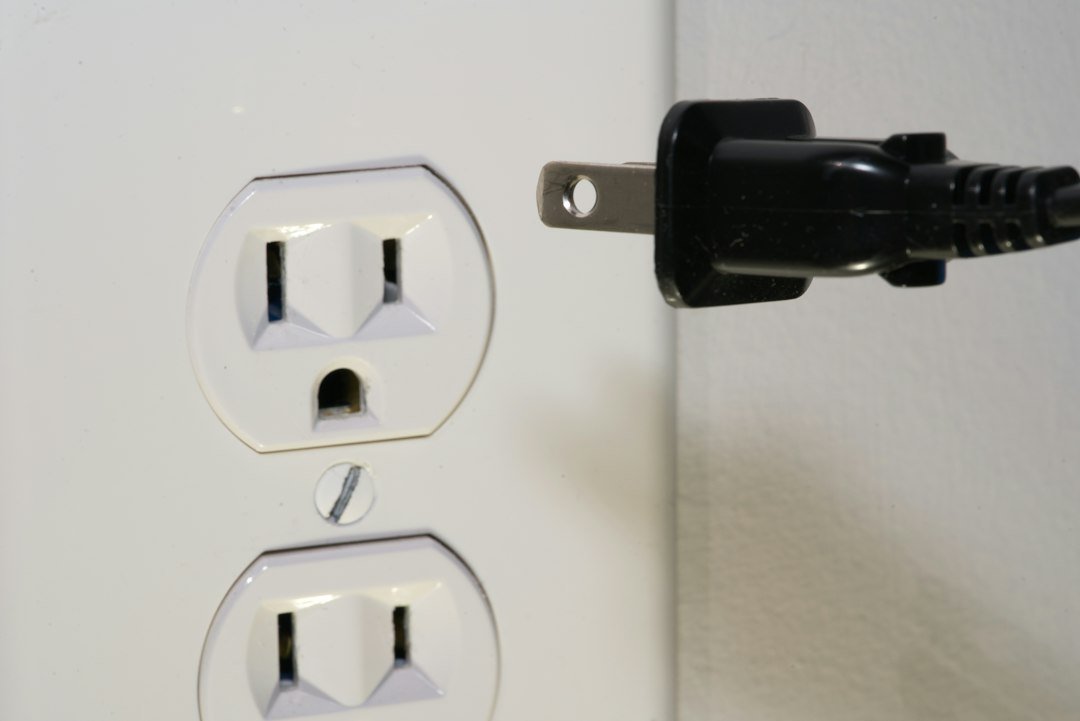
Test the outlet with a lamp or a plug-in tester, reset any GFCI, and plug the charger straight into the wall. A long or light-duty extension cord can drop enough voltage to keep a charger from starting, so skip the cord for this test.
2. A Damaged Cord or Blown Charger Fuse
Look over the AC cord for cuts, crushed sections, and bent plug prongs. Many chargers also have an internal fuse or thermal breaker, and some use a high-amp fuse on the DC side. The rating varies by model, so read the label on your charger.
With the charger unplugged, a multimeter on continuity will tell you if a fuse is good. If a fuse keeps blowing, do not keep replacing it. Something is shorting, and that is a job for a technician.
3. A Burnt DC Plug or Charge Receptacle
The plug that goes into the cart carries a lot of current. Over time the pins pit, corrode, or even melt, and a poor connection means the charger never sees the pack.
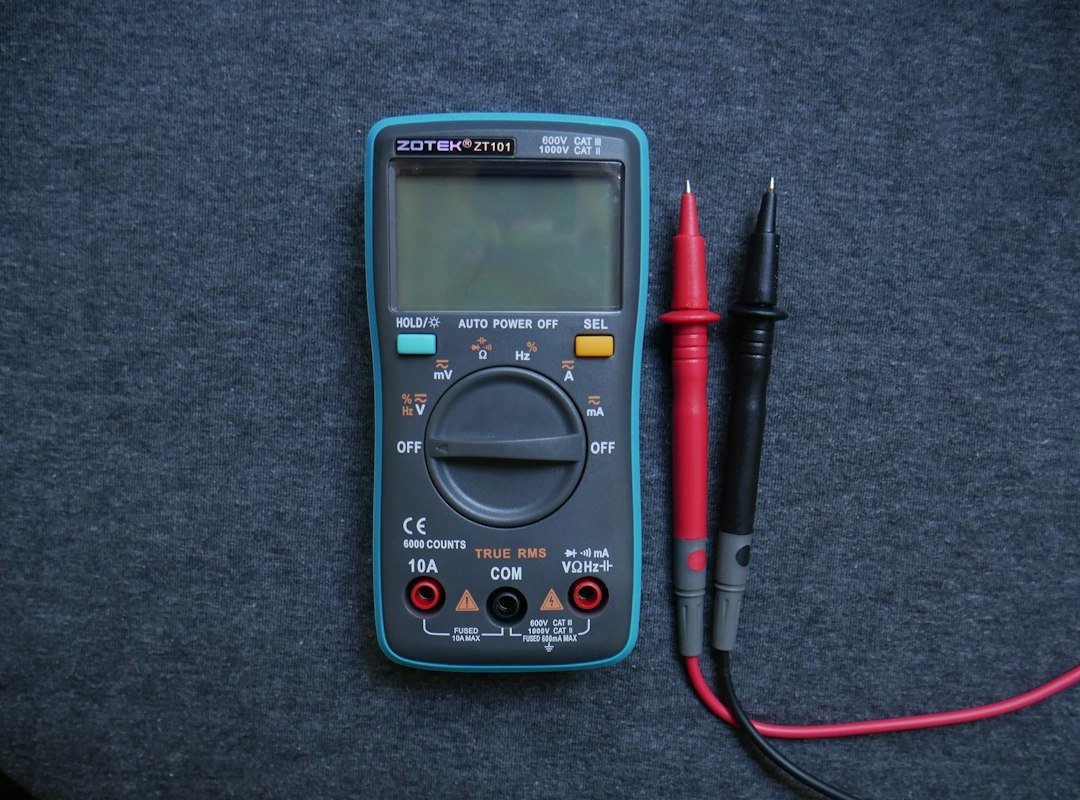
Look for blackened or loose pins and a receptacle that feels hot after use. On a cart that will not charge, measure at the receptacle pins. You should see a voltage in the neighborhood of your pack voltage, not zero. A reading of zero points to a fuse or wiring fault between the receptacle and the batteries.
4. Low-Voltage Lockout From a Deeply Discharged Pack
This is the big one. A charger needs to detect a minimum pack voltage before it will start, commonly somewhere in the range of 20 to 35 volts depending on the charger. A pack that was left discharged for weeks can sit below that line, and the charger simply refuses to turn on.
Measure across the main positive and negative terminals of the full pack. For reference, a healthy fully charged 36V lead-acid pack reads roughly 38 to 39 volts, and a 48V pack roughly 50 to 52 volts.
If the pack is far below normal, the usual workaround is to bring the individual batteries up briefly with a separate 6V or 12V automotive-style charger so the main charger can recognize the pack and take over. Do this one battery at a time, follow that charger’s instructions, and never leave it unattended.
If you are tempted to fool the charger into starting some other way, read our guide on how to trick a golf cart charger first, because the safe method is narrower than most forum posts suggest.
5. Corroded Terminals and Loose Cables
Corrosion adds resistance, and resistance means voltage drop. A pack can read fine at the batteries and still deliver a weak signal to the charger because of one crusty terminal.
Clean terminals with a baking soda and water mix, rinse, dry, and tighten every connection. On flooded batteries, also check the water level. Plates that are exposed to air sulfate quickly and lose their ability to hold a charge.
6. A Faulty Onboard Computer or Charge Relay
Some carts, notably many 48V Club Cars, use an onboard computer (OBC) that tells the charger when to start. If the OBC fails, the charger relay may never engage even when the batteries are perfectly healthy.
The tell is a pack at normal voltage, a good outlet, a clean receptacle, and still no relay click when the charger is connected to the cart. Confirming an OBC fault takes model-specific testing, so this is where I send people to a technician or the service manual.
7. Lithium Protection or the Wrong Charger
Lithium packs have a battery management system that can shut off charging after low-temperature, over-voltage, under-voltage, or imbalance events. A cold pack may simply need to warm up before it accepts a charge, and some packs have a documented wake-up procedure in the manual.
Also confirm the charger matches the pack. A 36V charger on a 48V cart, or a lead-acid charger on a lithium pack, will not behave properly. If you are weighing the two chemistries, see our comparison of lithium vs lead-acid golf cart batteries.
How to Fix a Golf Cart Charger Not Turning On: The Test Order
The goal is to spend the least money and time before you find the real fault. This is the sequence I follow every time.
- Outlet. Test it, reset the GFCI, and skip the extension cord.
- Charger and cord. Inspect for damage and check the charger fuse for continuity.
- Pack voltage. Measure across the full pack and compare to the normal range for your voltage.
- Terminals. Clean and tighten every connection, and check electrolyte on flooded batteries.
- Receptacle. Look for burnt pins and measure voltage at the receptacle.
- Click test. Connect the charger to the cart and listen for the relay or fan.
- Known-good charger. Borrow a matching charger to prove whether the fault is the charger or the cart.
If the charger starts but the batteries still will not hold a charge afterward, you are no longer chasing a charger problem. Our guide to golf cart batteries not holding charge walks through load testing and when to replace.
A Real-World Example: Healthy Pack, Silent Charger
Here is a pattern I see over and over. An owner measures a full 48V pack and reads about 48 volts, so they assume lockout cannot be the issue. They plug the charger into the cart and hear no click at all.
That is a useful clue. A pack at a normal working voltage rules out low-voltage lockout, which pushes the search toward the receptacle, the wiring behind it, the charge relay, or the onboard computer. Measuring voltage at the receptacle pins and comparing it to the pack is the quickest way to tell a wiring fault from a charger fault.
The takeaway is simple. When your golf cart charger is not turning on, the pack voltage reading tells you which half of the system to suspect. A very low reading points at the batteries. A normal reading points at the path between the batteries and the charger.
Safety Before You Touch Anything
Lead-acid batteries can vent hydrogen gas while charging, so keep sparks and flames away and work in a ventilated space. Wear eye protection and remove metal jewelry before working near battery terminals.
Unplug the charger before inspecting it, and never open a charger case while it is connected to power. For deeper background on lead-acid care, Battery University’s guide to prolonging lead-acid batteries is a solid reference. Stop and call a technician if you smell burning, see melted wiring, or notice a swollen or leaking battery.
Repair or Replace?
Cheap faults, like a tripped GFCI, a loose terminal, or a blown fuse, are worth fixing yourself. A burnt receptacle is a modest repair, and a failed charger board is often cheaper to replace than to rebuild.
If the charger works on a known-good pack but the pack still will not take a charge, the batteries are the problem. An old lead-acid pack that will not recover, or one that fails again after a good charge, usually means replacement is on the horizon.
Frequently Asked Questions
Why won’t my golf cart charger turn on?
The most common reasons are no power at the outlet, a blown fuse, a burnt charge receptacle, or a pack voltage so low that the charger will not start. Test them in that order.
Should a golf cart charger click when plugged in?
On many chargers, yes. The relay typically clicks, or a fan starts, once the charger is connected to the cart and detects pack voltage. Plugging it into the wall alone often produces nothing.
What voltage does a golf cart need for the charger to start?
It varies by charger, but a minimum somewhere around 20 to 35 volts is commonly cited. Check your charger’s manual for its exact threshold.
Can I use a car battery charger on golf cart batteries?
A 6V or 12V charger can be used briefly on individual batteries to lift a very low pack above the lockout threshold. It is a short-term assist, not a replacement for the proper charger.
How do I know if my golf cart charger is bad?
Rule out the outlet, the cord, the receptacle, and the pack first. Then try a matching known-good charger. If that charger starts the cart, yours is the faulty part.
Bottom Line
When a golf cart charger is not turning on, start at the wall and work toward the batteries. Most of the time the answer is power, a dirty connection, or a pack that has dropped below the voltage the charger needs to wake up.
Measure instead of guessing, change one thing at a time, and call a technician when you reach the onboard computer or anything that smells like burning.