In this Article
Golf cart batteries not holding charge? Here are 7 common causes and the step-by-step voltage, hydrometer, and load tests that tell you whether to repair or replace.
If your golf cart batteries are not holding charge, you are not stuck buying a new set tonight. Sometimes the batteries really are finished, but just as often the problem is a charger, a dirty cable, or one weak battery dragging down the rest of the pack.
I have chased this exact complaint on Club Car, E-Z-GO, and Yamaha carts for years. The trick is testing in the right order so you do not spend $1,000 or more on batteries that were never the problem. Here is the process I follow, from the free checks to the tests that tell you when to replace.
Table of Contents
Table of Contents
What Not Holding a Charge Actually Looks Like
Owners use that phrase for three different symptoms, and each one points somewhere else. Sort out which one you have before you touch a wrench.
- The cart dies after a short ride. It charges to full but only goes a few holes. That points to worn-out capacity, a weak battery, or a cart that never really reached a full charge.
- The cart is dead after sitting. It was fine on Sunday and flat by Thursday. That points to a parasitic drain, a shorted cell, or batteries that have self-discharged too far.
- The charger never finishes. The charger clicks on, runs for hours, and never shuts off, or never starts at all. That points to the charger, a bad battery, or a low-voltage lockout.
Write down which version of golf cart batteries not holding charge you have and how many miles or holes you get now compared with a few months ago. That one note will save you an hour of guessing.
Safety First Before You Test Anything
A 36-volt or 48-volt pack carries real current. Turn the key off, put the tow/run switch in TOW, and take off rings and watches. Never lay a metal tool across two terminals.
Lead-acid batteries also vent hydrogen while charging, so work in a ventilated space with no sparks or open flames. Wear safety glasses and gloves, because battery acid burns skin and eyes. If you are new to flooded batteries, Battery University’s guide to lead-acid battery care is worth a read first.
Why Golf Cart Batteries Not Holding Charge Is Usually One of 7 Things
Work through these in order whenever you see golf cart batteries not holding charge. The first four cost almost nothing and fix a surprising number of carts.
1. The Pack Never Got a Full Charge
This is the most common cause of golf cart batteries not holding charge, and it looks exactly like a dead battery. A charger that gets unplugged early, runs on a weak extension cord, or has a worn cord and plug leaves the pack partly charged every single day.
Plug straight into a wall outlet with a heavy-gauge cord no longer than 25 feet if you can. Let the charger finish its cycle, then let the pack rest before you judge it. A pack that has been undercharged for months can also build sulfation, which makes the problem worse.
2. Low Water in Flooded Batteries
Flooded lead-acid batteries lose water every time they charge. When the electrolyte drops below the top of the plates, the exposed plates sulfate and lose capacity permanently.
Check every cell. If the plates are exposed, add just enough distilled water to cover them before charging. After the charge is done, top off to about a quarter inch below the fill well. Never use tap water, and never fill past that line, because the liquid expands as it heats up.
3. Corroded or Loose Terminals and Cables
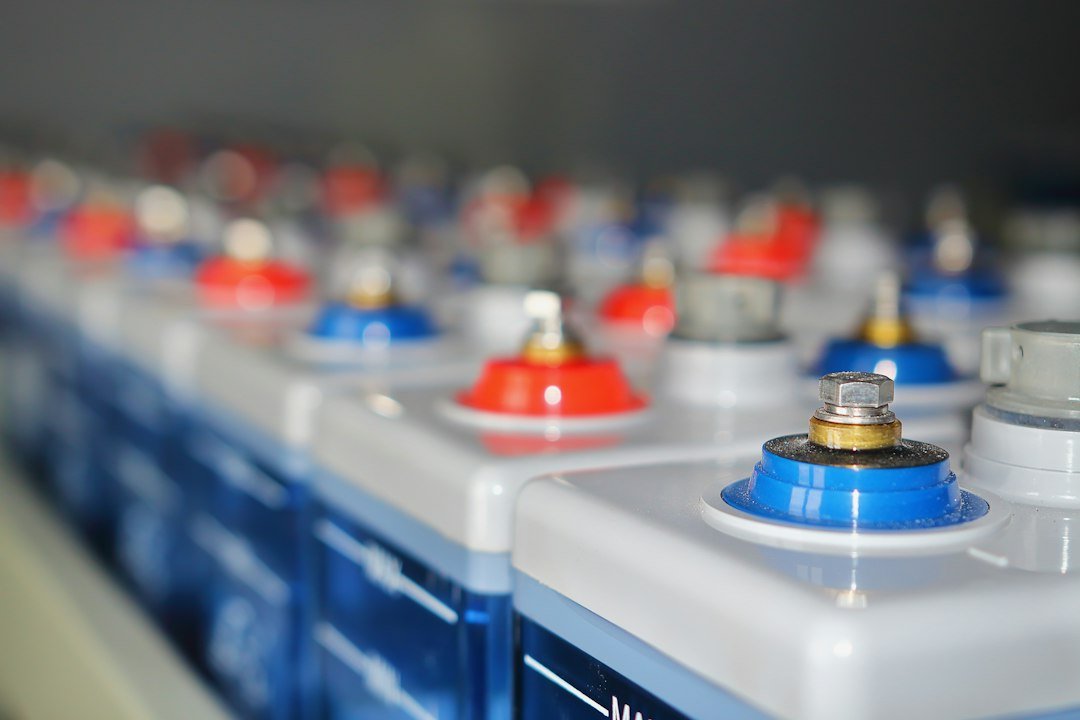
A pack can be healthy and still act dead if the current cannot flow. Look for white or blue crusty buildup, loose cable nuts, and melted or discolored lugs.
Disconnect the main negative first, clean the posts and lugs with a baking soda and water mix and a wire brush, rinse with a little clean water, and dry everything. Reconnect the negative last, and snug the nuts to the torque your battery maker lists.
4. A Parasitic Drain
Something in the cart may be sipping power while it sits. Common culprits are a tow/run switch left in the wrong position, a stuck solenoid, aftermarket lights, a stereo, a USB charger, or a GPS unit wired straight to the pack.
To check, fully charge the pack, unplug every accessory, and set the tow/run switch to TOW. Measure the pack voltage, leave the cart for two days, and measure again. A healthy pack loses very little in that time. A big drop means something is draining it or a battery has an internal short.
5. One Weak Battery Dragging Down the Pack
Batteries in a pack are wired in series, so the weakest one sets the limit. One battery with a bad cell can make the whole cart act like it has a dying pack, even when the others look fine.
This is why you test each battery by itself, which I walk through in the next section. Replacing a single mismatched battery in an old pack rarely lasts, so if the pack is more than three years old, plan to replace it as a set.
6. A Charger That Is Failing or Locked Out
If the charger never turns on, many models have a minimum voltage they need to see before they start. A deeply discharged pack can fall below it. Our guide on how to trick a golf cart charger safely explains that lockout and the one method I trust.
A charger that runs forever without finishing, or shuts off in minutes, can also be faulty. Check the output voltage at the end of a cycle and confirm the charger matches your pack voltage and battery type.
7. The Batteries Are Simply Worn Out
Lead-acid golf cart batteries typically last about four to six years with good care, and fewer if they were left discharged. After that, they lose capacity no matter how well you charge them. Age, heat, and deep discharges all add up.
If the first six items check out and your golf cart batteries are still not holding charge, it is time to test capacity properly.
How to Test Golf Cart Batteries Step by Step
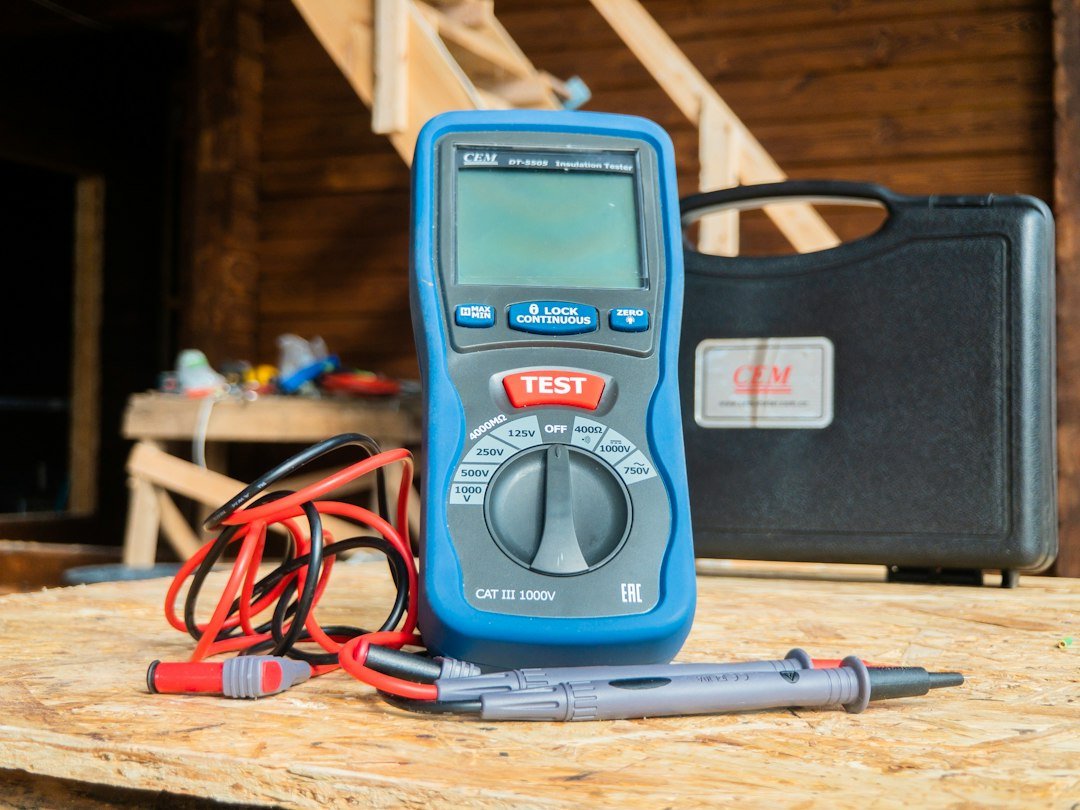
You need a basic multimeter, a battery hydrometer for flooded batteries, and a load tester if you want the most reliable answer. If you have never used a multimeter, Fluke has a helpful primer on using a digital multimeter.
Step 1: Charge, Then Let the Pack Rest
For any golf cart batteries not holding charge, start clean: charge the pack fully, then leave it alone, with no charging and no driving, for 12 to 24 hours. Readings taken right after a charge look artificially high and will fool you.
Step 2: Measure Resting Voltage on Every Battery
Set the meter to DC volts. Put the red lead on the positive post and the black lead on the negative post of one battery, and write down the number. Repeat for each battery, then measure the whole pack.
Compare each reading with this chart. These are approximate resting voltages for flooded lead-acid batteries at room temperature.
| State of charge | 6V battery | 8V battery | 12V battery |
|---|---|---|---|
| 100% | 6.37 | 8.49 | 12.73 |
| 90% | 6.31 | 8.41 | 12.62 |
| 80% | 6.25 | 8.33 | 12.50 |
| 70% | 6.19 | 8.25 | 12.37 |
| 60% | 6.12 | 8.16 | 12.27 |
| 50% | 6.02 | 8.07 | 12.10 |
| 40% | 5.98 | 7.97 | 11.89 |
| 30% | 5.91 | 7.88 | 11.81 |
| 20% | 5.83 | 7.77 | 11.66 |
| 10% | 5.75 | 7.67 | 11.51 |
After a full charge and a rest, every battery should read near the 100 percent row, and the readings should be close to one another. A fully charged 36V pack of six 6V batteries should total about 38 volts, and a 48V pack of six 8V batteries about 51 volts. A battery that sits well below its neighbors is your weak link.
Step 3: Check Specific Gravity With a Hydrometer
If your batteries have removable caps, a hydrometer tells you the state of each cell. A fully charged cell reads roughly 1.275 to 1.280. Draw electrolyte from each cell, read it, and put it back.
A gap of about 0.050 or more between the highest and lowest cell inside one battery points to a bad cell. Cells that read low even after a long charge are sulfated or damaged. Rinse the hydrometer with clean water between batteries.
Step 4: Run a Load Test
Resting voltage can hide golf cart batteries not holding charge, because a weak battery can look fine at rest and collapse the moment you ask for power. A load tester fixes that by pulling current while you watch the voltage. Follow the instructions that come with your tester.
As a rough guide, a healthy 12V battery should hold near 9.6 volts under load, which is about 80 percent of its rated voltage. A battery that sags far below that is failing. Test on a fully charged, rested battery only, or you will condemn a good one.
Repair or Replace? How to Decide
Use what the tests told you. With golf cart batteries not holding charge, the answer is rarely all or nothing. A single low-voltage battery in an otherwise young pack is sometimes worth swapping. A pack with several low batteries, failing load tests, or low specific gravity in more than one cell is finished.
- Fix it: low water, dirty terminals, a parasitic drain, or a bad charger. Replace the water, the cables, or the charger, and the pack often recovers.
- Recondition it: mild sulfation on a fairly young pack, sometimes recovered with a long slow charge or an equalization cycle if your charger supports it. Results vary, so do not count on it for an old pack.
- Replace it: cracked or bulging cases, failed load tests, a pack more than five or six years old, or cells that never come back after several full charges.
When you do replace, compare costs and lifespan before you pick the same type again. Our breakdown of lithium vs lead-acid golf cart batteries shows what each costs and how long it lasts. Always replace a pack as a matched set of the same age and brand, or the new pack will inherit the same problem.
How to Keep a New Pack From Failing Early
A good pack should give you years of service if you treat it right, and these habits keep golf cart batteries not holding charge from ever becoming your problem. They matter more than the brand on the case.
- Charge after every round, even a short one, and never run the pack to nearly empty.
- Check water monthly in warm weather, and only add distilled water after charging.
- Keep terminals clean and tight, and look at the cables each season.
- Store the cart charged and, ideally, plugged into a maintenance charger. Our guide on how to store a golf cart for winter covers the steps for lead-acid and lithium.
If your cart also feels slow, note that low voltage can trigger a speed cutback. Our article on why a golf cart only goes 5 mph explains how to tell a battery problem from a controller problem.
Frequently Asked Questions
Why are my golf cart batteries not holding charge after a full charge?
The usual causes are a pack that never reached a full charge, low water, corroded terminals, one weak battery, or batteries that are simply worn out. Test each battery for resting voltage before you spend money.
How long should golf cart batteries hold a charge?
A healthy pack should give you a full round or more per charge. When the cart loses range quickly or the voltage drops a lot within a couple of days of sitting, something is wrong.
Can golf cart batteries be revived?
Sometimes. If the problem is low water, sulfation that is not advanced, or dirty terminals, a thorough cleaning and a long full charge can bring a pack back. Batteries with cracked cases, dead cells, or failed load tests cannot be revived.
How do I know which golf cart battery is bad?
Measure each battery after a full charge and a rest, then compare. The one reading noticeably lower than the rest, or the one that collapses under a load test, is the weak battery. A hydrometer helps confirm it.
How often should I replace golf cart batteries?
Flooded lead-acid packs often last roughly four to six years, depending on care and use. Replace sooner if the pack fails load tests or the cart can no longer finish a round.
Does a bad charger cause batteries to not hold a charge?
It can. A charger that stops early, never reaches full voltage, or never shuts off will leave the pack undercharged or overcharged. Check the charger output and match it to your pack before you blame the batteries.
Bottom Line
When golf cart batteries are not holding charge, test before you buy. Confirm the pack gets a full charge, check the water and the terminals, rule out a drain and the charger, and then test each battery on its own. Replace the pack only when the tests say it is finished.