In this Article
If your golf cart only goes 5 mph, the cart is usually protecting itself or missing a signal. Here are 8 causes and the order to test them in.
If your golf cart only goes 5 mph, you are not alone, and you probably do not need a new cart. A cart that creeps along at a walking pace is almost always protecting itself from a problem or missing a signal it needs to go faster.
I have chased this exact symptom on Club Car, E-Z-GO, and Yamaha carts. The fix is usually cheap if you check things in the right order. Below is the sequence I follow, from the five-minute checks to the parts that need a technician.
Table of Contents
Table of Contents

What 5 MPH Is Telling You
A healthy electric cart tops out around 12 to 19 mph depending on the model and controller settings. Dropping to roughly 5 mph is not normal wear. It is usually a deliberate cutback.
Many electric controllers have a limp or reduced-speed mode. The controller drops power on purpose when it sees low battery voltage, a missing speed signal, overheating, or a fault. That is good news, because it means the cart is telling you something instead of just dying.
Pay attention to how the slowdown behaves. Slow from the very first press points to a switch setting, a speed sensor, or a fault. Fast at first, then slow after a few minutes points to heat or sagging batteries. Slow only uphill points to the pack or cables. Write that down before you touch anything.
Safety First
A cart battery pack can deliver serious current even at 36 or 48 volts. Turn the key off, set the tow/run switch to TOW, remove rings and watches, and never lay a metal tool across battery posts. Jack the drive wheels off the ground on stands before any test with the pedal pressed.
If you have not worked around battery banks before, a quick read of a lead-acid battery guide such as Battery University’s overview of lead-acid care is time well spent.
Why Your Golf Cart Only Goes 5 MPH: Start With the Easy Checks
Work through these three first. They cost nothing and fix a surprising number of carts.
1. The Tow/Run Switch, Speed Settings, and Parking Brake
Confirm the tow/run (or maintenance) switch is fully in RUN. A switch that is only half seated, or one that was bumped during service, can leave the cart acting strangely. Then check that the parking brake is fully released.
A dragging brake makes the cart feel weak and slow, and it also strains the motor. Roll the cart in neutral by hand on flat ground. If it resists or you hear scraping, the brake is not releasing.
2. Low or Sagging Battery Voltage
This is the number one cause on older carts. When pack voltage drops under load, many controllers cut speed to protect the batteries and motor. The pack can read fine at rest and still collapse the moment you press the pedal.
Lead-acid packs often last three to five years. If yours is older, or the cart sat unused for months, suspect sulfated or uneven batteries. Our comparison of lithium vs lead-acid golf cart batteries covers what to buy if the pack is finished.
Also check the charger. A charger that never completes its cycle leaves the pack short of a full charge, and the cart will feel slow every single day.
3. Tire Pressure and Rolling Resistance
Tire pressure matters more than most owners expect. Many cart tires run about 18 to 25 psi, so check the sidewall and your manual. Soft tires add drag and make the motor work harder.
Worn or dry-rotted tires hurt too. If yours are old, our guide on how long golf cart tires last shows what to look for.
Sensor, Throttle, and Controller Causes
If the easy checks pass on an electric cart, move on to the parts that tell the controller what to do. These are the usual suspects when a golf cart only goes 5 mph even on fully charged batteries.
4. A Failed or Unplugged Speed Sensor
Many electric carts use a speed sensor on the motor so the controller knows how fast the motor is turning. When that signal is missing, the controller can fall back to a slow limp mode. This is one of the most common reasons a cart suddenly crawls at 5 mph.
Look at the thin sensor wires coming from the motor. They should be plugged into the controller and routed away from moving parts. Owners on cart forums report finding these wires simply unplugged after a motor swap or other service.
Some systems also use a small toothed or magnetic disk on the motor shaft that the sensor reads. If a new sensor does not fix it, inspect that disk and the gap between it and the sensor. Wire damage and a loose connector are just as common as a dead sensor.
5. The Throttle Sensor or Pedal Switch
The pedal tells the controller how much speed you want. On many Club Car carts that part is the MCOR, and E-Z-GO carts use a pedal potentiometer box. If it sends a weak or capped signal, the controller never asks for full speed.
Sometimes the cart runs fast for a moment, then drops to a crawl. That pattern can point to a sensor signal that is cutting in and out. Our article on a golf cart that jerks when accelerating explains how to tell these signals apart.
6. A Controller Fault or Overheating
The controller is the brain of the cart, and it reduces output when it detects a fault or gets too hot. Slowness that shows up after 10 to 20 minutes of driving points to heat in the controller, motor, or cables.
Many controllers store fault codes you can read with a flash pattern or a handheld tool, and your service manual lists what each one means. If you are curious how the controller manages speed, read how to remove the speed limiter on an electric golf cart safely. Do not assume the controller is bad until the cheaper items check out.
7. Motor and Wiring Problems
A worn motor or corroded high-current cable adds resistance and robs power. Look for melted insulation, discolored lugs, and a burning smell. A cart that is slow and noisy, or smells hot, deserves a closer look at the motor itself. Our overview of the golf cart motor lists the failure signs.
Gas Cart Causes
The electric list above mostly does not apply to a gas cart. If you drive gas and your golf cart only goes 5 mph, look here instead.
8. Governor, Throttle Cable, Clutch, and Belt
Gas carts use a governor to limit top speed. If the governor linkage or spring is out of adjustment, or the throttle cable is sticking, the engine never gets the throttle it needs. Check that the pedal moves the throttle plate fully open.
A worn or glazed drive belt and a dirty clutch also cap speed because the engine revs but the power does not reach the wheels. Add a clogged air filter or old fuel to the list. Replace the fuel filter and clean the air filter before you start adjusting anything.
How to Test Pack Voltage
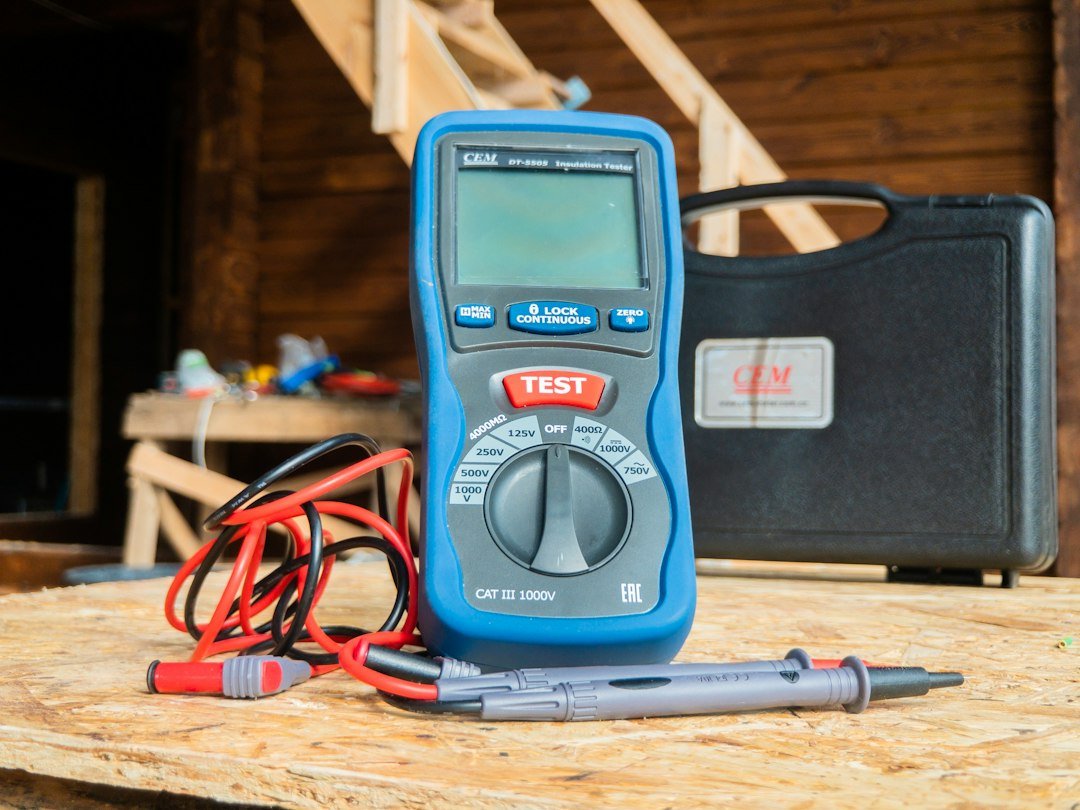
This is the most useful test you can run on an electric cart, and a basic multimeter is all you need. If the settings are unfamiliar, Fluke has a helpful primer on using a multimeter.
- Charge the pack fully and let it rest for an hour.
- Measure the resting voltage of the whole pack and of each battery. Healthy lead-acid packs read roughly 38.2 volts for a 36V system and about 50.9 volts for a 48V system, and the individual batteries should be close to one another.
- With the drive wheels safely off the ground, have a helper press the pedal while you measure the pack and each battery again.
- Compare the numbers. One battery that sags far below its neighbors is your weak link.
If every battery holds up and the cart still crawls, move on to the speed sensor, throttle sensor, and controller. If you also notice the cart struggles on slopes, our guide to the best golf cart for hills explains how much extra current a grade demands.
10-Minute Triage
Before you buy a single part, run through this short list.
- Check the switch and brake. Make sure the tow/run switch is in RUN and the parking brake is released.
- Check the charge level. Charge fully and test again, because low voltage triggers cutback.
- Check tire pressure. Soft tires add drag and strain the motor.
- Inspect the speed sensor wires. Look for an unplugged or damaged connector at the motor and controller.
- Note when it happens. Slow right away, slow after a few minutes, and slow only uphill each point to a different cause.
When to Call a Technician
Stop and call a pro if you smell burning insulation, see scorched plastic, or the cart throws a fault code you cannot decode. Controller diagnosis and motor testing take specialized tools, and guessing on a several-hundred-dollar part is a poor use of a weekend. Always check your cart’s service manual before replacing anything expensive.
Frequently Asked Questions
Why does my golf cart only go 5 mph?
The most common reasons are a controller limp mode triggered by low battery voltage, a failed or unplugged speed sensor, and a throttle sensor problem. On a gas cart, look at the governor, belt, and clutch instead.
Can bad batteries make a golf cart slow?
Yes. Weak or uneven batteries sag under load, and many controllers cut speed to protect the pack. Test each battery under load rather than only at rest.
Does the tow/run switch affect cart speed?
It should be in RUN for normal driving. A switch that is not fully in RUN can cause odd behavior, so confirm it is seated before you test anything else.
Can low tire pressure slow a golf cart?
It can make the cart feel slower and work harder, since soft tires add rolling resistance. Check the pressure printed on the sidewall, often around 18 to 25 psi.
How do I know if my speed sensor is bad?
Check that the sensor wires are plugged in and undamaged, then read any stored fault codes. If a code points at the sensor or the cart drops to a crawl right away, test or replace the sensor and inspect the disk it reads.
Is it safe to keep driving a cart that only goes 5 mph?
It is usually safe for a short, flat trip, but a limp mode can leave you underpowered on hills or in traffic. Diagnose it before the next round.
Bottom Line
When a golf cart only goes 5 mph, do not throw parts at it. Check the switch and brake, charge and test the batteries, and verify tire pressure. Then inspect the speed sensor wiring, throttle sensor, and controller. On a gas cart, start with the governor, belt, and clutch. Most carts give up the answer in the first three steps.