In this Article
If your golf cart smells like rotten eggs, stop charging and ventilate first. Here are the six usual causes, how to find the failing battery, and when to replace the pack.
If your golf cart smells like rotten eggs, treat it as a warning, not a quirk. That sulfur smell almost always means a battery is overheating or gassing hard, and the usual trigger is overcharging.
I have walked up to plenty of carts in a club storage barn with that exact smell, and the owner usually says it has been “a little off” for weeks. Here is what the smell means, what to do in the first five minutes, and how to track down the battery that is causing it.
Table of Contents
Table of Contents
Is It Dangerous When a Golf Cart Smells Like Rotten Eggs?
Yes, take it seriously. When a golf cart smells like rotten eggs, one or more flooded lead-acid batteries are usually overheating and venting gas. Sulfur-type gases, including hydrogen sulfide, can be released when lead-acid batteries are overcharged, and the Canadian Centre for Occupational Health and Safety lists them as a known hazard of overcharging.
There is a second problem you cannot smell. Charging also produces hydrogen, which is explosive at roughly 4 to 72 percent in air, so a closed garage, a spark, or a cigarette near a gassing pack is a real risk. You can read the full list of charging hazards in CCOHS’s guide to charging industrial lead-acid batteries.
The electrolyte is also sulfuric acid, which burns skin and eyes. That is why the first steps below matter more than any diagnosis.

What to Do the Moment You Smell It
Do these in order, and do not skip the ventilation step.
- Stop the charge. Unplug the charger from the wall first, then from the cart.
- Turn the key off and set the tow/run switch to TOW.
- Ventilate. Open the garage door and the seat or battery cover, then step away for about five minutes. No flames, no sparks, no smoking.
- Put on gloves and safety glasses before you lean over the pack.
- Look and feel carefully. You are checking for a battery that is swollen, cracked, wet, or too hot to hold your hand near.
If a case is bulging, leaking, or hissing, or you see smoke, leave the cart outside and away from the building. Do not charge it again until a pro has looked at it.
6 Reasons Your Golf Cart Smells Like Rotten Eggs
Once the pack is safe, work through these causes from most to least likely.
1. Overcharging From a Bad or Mismatched Charger
This is the number one reason a golf cart smells like rotten eggs. A charger that never shuts off, an old manual charger, or one set for the wrong pack voltage keeps pushing current into full batteries. The electrolyte boils, the batteries heat up, and the smell follows.
Check that the charger matches your pack voltage and battery type, and that it actually ends its cycle. If it runs all night, that is your answer. Our guide on how to trick a golf cart charger also explains how these chargers decide when to start and stop.
2. Low Electrolyte Overheating the Plates
Flooded batteries lose water every time they charge. When the fluid drops below the plates, the exposed plates overheat and the battery runs hot, which makes gassing and odor worse.
Open the caps and look at each cell. Add distilled water only after the pack is fully charged and has cooled. CCOHS notes that watering during charging can push acid out, so never top off a battery that is still on the charger.
3. One Shorted or Failing Battery
A single battery with a shorted cell can cook while the rest of the pack looks normal. The charger keeps feeding it because the pack never reaches the voltage it expects, so the weak battery gets hot and smells.
The tell is one battery that is noticeably warmer than its neighbors after a charge. That is the one to test first.
4. A Cracked, Leaking, or Swollen Case
Impacts, old age, and freeze damage can crack a case. Acid then reaches the tray and nearby metal and creates heat and fumes. A swollen case usually means the battery has been overheating internally.
Any cracked or bulging battery should be replaced, not repaired. Treat it as a sign the rest of the pack may have been abused too.
5. Corroded Terminals and Hot Cables
A loose or corroded connection creates resistance, and resistance makes heat. Hot lugs can melt insulation and cook the acid residue around the post, which adds its own sharp smell to the mix.
Look for white or blue crust, discolored cable ends, and softened plastic. Clean and tighten these connections even if they are not the main cause.
6. An Old, Sulfated Pack at the End of Its Life
Lead-acid packs often last roughly four to six years. As they age, they sulfate, lose capacity, and gas more during every charge. A tired pack on a charger that is too aggressive for it is a classic recipe for odor.
If the cart is also short on range, read our breakdown of golf cart batteries not holding charge to see how the two problems connect.
How to Find the Bad Battery
You need a multimeter, a hydrometer if your caps come off, and about an hour. Do this only after the pack has fully cooled, and keep the cart out of an enclosed space while it is charging.
Step 1: Do a Temperature Check
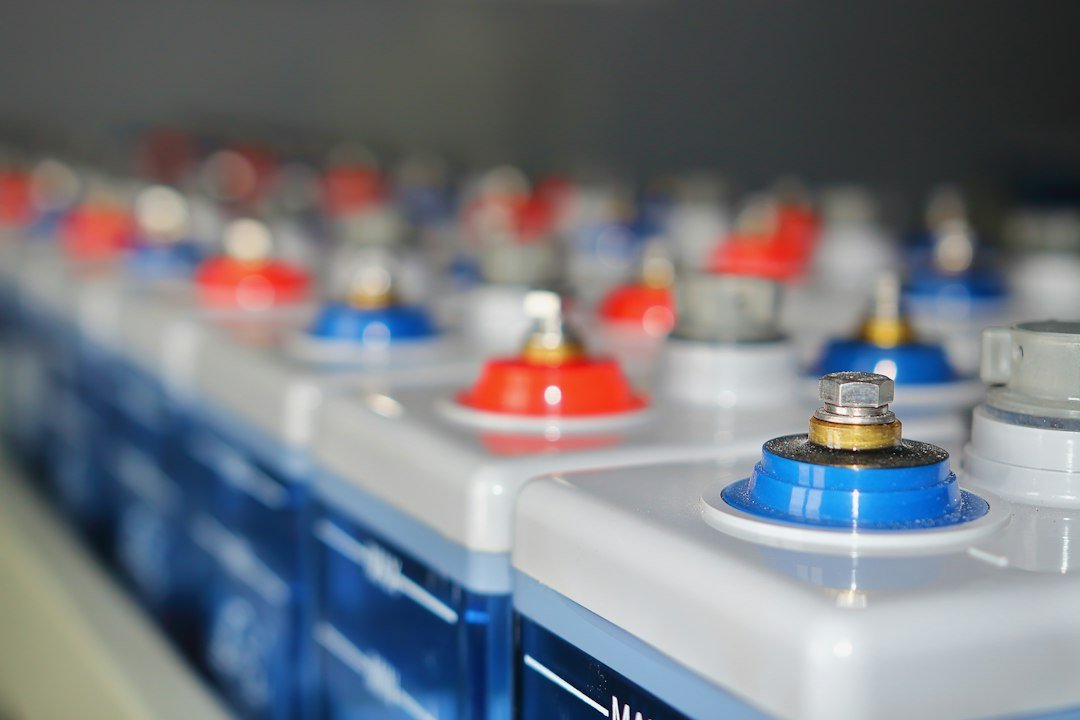
After a normal charge, carefully compare the battery cases by hand or with an infrared thermometer. A battery that is clearly hotter than the others is your suspect. Do not touch bare terminals.
Step 2: Measure Resting Voltage
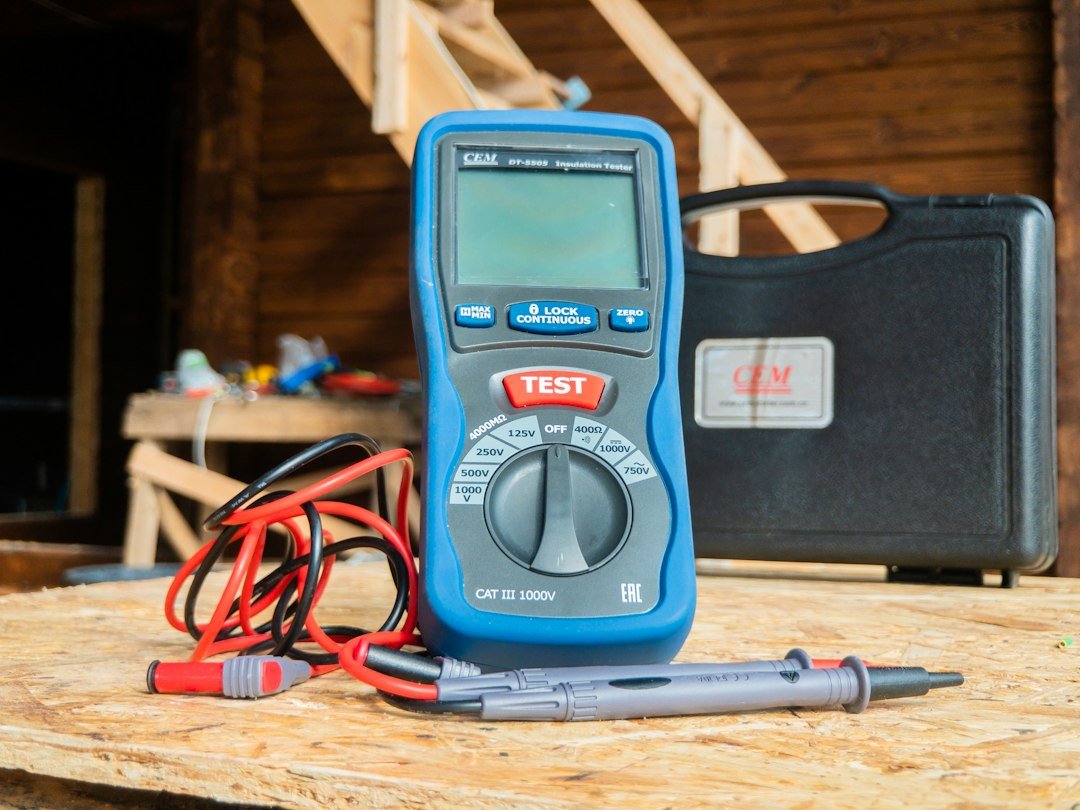
Let the pack rest 12 to 24 hours, then measure each battery with the meter on DC volts. A healthy, fully charged flooded 6V battery rests around 6.3 volts, an 8V around 8.4, and a 12V around 12.7. One battery well below its neighbors is the weak link.
Step 3: Check Specific Gravity
A hydrometer reads each cell. Fully charged cells land around 1.275 to 1.280. A cell far below the others in the same battery points to a failed or shorted cell, which is a common source of the smell.
Step 4: Check the Charger
If every battery tests normal, the charger is the likely culprit. Confirm the voltage rating matches your pack and that it ends its cycle on its own. A charger that does not shut off should be replaced or repaired before the next full charge.
Quick Reference: What You Notice and Where to Look First
If you want a shortcut, match what you see to the table below. Every row still ends with the same rule: stop charging until you know why.
| What you notice | Most likely cause | First move |
|---|---|---|
| Smell starts near the end of every charge | Charger not shutting off, or wrong charger | Check the charger’s voltage rating and cycle end |
| One battery is much hotter than the rest | Shorted or failing cell | Test that battery’s resting voltage and specific gravity |
| Water is low in several cells | Overheated plates from low electrolyte | Charge, cool, then add distilled water |
| Bulging, wet, or cracked case | Internal overheating or impact damage | Replace the battery and inspect the tray |
| Melted plastic or crusty, discolored lugs | High-resistance connection | Clean, tighten, and replace damaged cables |
| Pack is old and range has dropped | Sulfated, worn-out batteries | Load test and plan to replace the set |
Notice how often the smell and a short range show up together. A pack that is gassing hard is usually a pack that is not storing energy well either, so treat both symptoms as one investigation.
Fix It or Replace It?
- Fix it: low water, dirty or loose terminals, and a faulty charger. Correct the cause, charge normally, and monitor temperature on the next cycle.
- Replace one battery: only if the pack is young, under about two years, and the others test healthy.
- Replace the whole pack: a cracked or swollen case, repeated overheating, a failed hydrometer or voltage test on several batteries, or a pack older than five or six years.
If you are replacing a full pack anyway, it is a good time to compare chemistries. Our guide to lithium vs lead-acid golf cart batteries covers cost, lifespan, and why lithium does not need watering.
One caution on lithium carts: they should not smell like sulfur at all. If a lithium cart gives off a strong chemical odor, stop using it and contact the battery maker or a certified technician right away.
How to Keep the Smell From Coming Back
- Use a charger matched to your pack voltage and battery type, with an automatic shutoff.
- Check water monthly in warm weather, and fill only after charging and cooling.
- Charge in a ventilated space, at least a few feet from anything flammable.
- Keep terminals clean, tight, and coated with a light terminal protectant.
- Do not leave a pack on a faulty charger for days. Our guide on how to store a golf cart for winter covers the right way to keep a pack topped off.
Frequently Asked Questions
Why does my golf cart smell like rotten eggs when charging?
The most common reason is overcharging. A bad charger, low water, or one failing battery makes the electrolyte overheat and gas, which releases a sulfur smell.
Is the rotten egg smell from golf cart batteries dangerous?
It can be. Sulfur gases are irritating, and charging also produces explosive hydrogen. Ventilate the area, stop charging, and keep flames and sparks away until you find the cause.
Can I keep driving a cart that smells like sulfur?
I would not. If a battery is overheating or leaking, using the cart makes it worse. Check the pack first, and do not charge it again until you know why it smells.
Does a rotten egg smell mean I need new batteries?
Not always. A faulty charger, low water, or dirty terminals can cause it in a healthy pack. A cracked or swollen case, or a battery that fails voltage and specific gravity tests, does need replacing.
How do I get the smell out of my garage?
Open the doors and run a fan until the air clears. Neutralize any acid residue on surfaces with a baking soda and water mix, then wipe it up with gloves on. If the smell does not fade, a battery is still venting.
Bottom Line
When your golf cart smells like rotten eggs, stop the charge, ventilate, and find out why before you plug in again. Most of the time it is an overzealous charger, low water, or one bad battery, and all three are easy to confirm with a meter and a hydrometer. Replace anything cracked or swollen, and never ignore the smell.