In this Article
If your golf cart loses power going uphill, the cause is usually weak batteries, bad cables, or a clutch problem. Here are 8 causes in the order to test them, for electric and gas carts.
If your golf cart loses power going uphill, you are dealing with a cart that works fine on flat ground but cannot keep up once the load goes up. That is actually useful information, because climbing is the hardest test your cart faces every round.
I have diagnosed this exact complaint on Club Car, E-Z-GO, and Yamaha carts, both electric and gas. The cause is rarely the motor or engine itself. Below is the order I test things in, from the free checks to the parts that need a technician.
Table of Contents
Table of Contents

Why Carts Slow Down on Hills
Climbing asks the drivetrain for more torque, and on an electric cart more torque means more amps pulled from the battery pack. The question is not whether your cart can reach top speed. It is whether the pack can hold its voltage while it delivers that surge.
When the voltage dips, the cart slows, stutters, or cuts out. A cart that climbs strong for two or three seconds and then fades usually has a voltage-sag problem, not a dead motor. Gas carts fail differently: the engine revs but the power never reaches the wheels.
This is also why a golf cart that loses power going uphill is rarely a sign that the whole cart is finished. The hill simply exposes the weakest link in the chain, whether that link is a battery, a cable, a belt, or a clutch. Once you know which link it is, the repair is usually modest.
Pay attention to when it happens. Slow right at the bottom of the hill points to the battery pack or cables. Strong at first and then weak points to heat. Weak only after a long round points to a pack that is not fully charged.
Safety First
A 36V or 48V pack can deliver serious current. Turn the key off, set the tow/run switch to TOW, remove rings and watches, and never lay a metal tool across battery posts. Wear eye protection around lead-acid batteries, because they contain acid and can vent hydrogen gas.
If you have not worked around battery banks before, Battery University’s guide to lead-acid care is a good primer before you touch anything.
Why Your Golf Cart Loses Power Going Uphill: Start With the Basics
Run through these first. They cost nothing and explain more complaints than you would expect.
1. Tires, Dragging Brakes, and Extra Load
Soft tires add rolling resistance, and that cost multiplies on a slope. Many cart tires run roughly 18 to 25 psi, so check the sidewall and your manual. Our guide on how long golf cart tires last shows what worn rubber looks like.
Then check for a dragging brake. After a climb, put a hand near each rear drum. A wheel that is noticeably warmer than the others is not releasing. Finally, be honest about weight. Two adults, two bags, and a cooler pull far more current than one rider.
Battery and Cable Causes
On an electric cart, this is where most uphill problems live. If your golf cart loses power going uphill but runs fine on the flat, start here before you buy any expensive part.
2. One Weak or Aging Battery
Batteries in a cart are wired in series, so the weakest one sets the limit. As lead-acid batteries age, their internal resistance rises, and high current turns into voltage drop and heat instead of torque. One tired battery can pull the whole pack down.
Lead-acid packs often last three to five years with good care. If yours is older, or the cart sat for months, suspect sulfation. Our walkthrough on golf cart batteries not holding charge covers hydrometer testing and when to replace.
3. Corroded Terminals and Undersized Cables
Resistance in a connection acts like a second weak battery. Look for white or green corrosion, loose lugs, discolored or melted insulation, and cable ends that feel hot after a climb. Any of these can drop voltage at exactly the moment the motor needs it most.
Clean posts with a baking soda and water mix and a terminal brush, then tighten every connection to the torque in your service manual. If you have added a lift kit, bigger tires, or a high-speed motor, the stock cables may be too small for the new current demand.
4. A Pack That Is Not Fully Charged
A charger that never finishes its cycle leaves the pack short, and a partly charged lead-acid pack sags much harder under load. Check that the charger actually reaches its end-of-charge state, and keep the water in each cell above the plates. Low water and short charging cycles quietly kill hill-climbing ability.
Controller and Motor Causes
If the pack tests healthy under load, move down the chain to the parts that manage and use the power.
5. Controller Overheating or Current Limiting
The controller reduces output when it gets hot or detects a fault. Power that fades after 10 to 20 minutes of driving, especially on repeated climbs, points to heat in the controller, motor, or cables. Many controllers store fault codes you can read with a flash pattern or a handheld tool.
Do not assume the controller is bad until the batteries and cables check out. It is the most expensive guess you can make. If your cart is also slow on flat ground, read our guide on a golf cart that only goes 5 mph, because limp mode looks similar.
6. A Worn Motor or Solenoid
Worn brushes, a tired armature, or a failing solenoid with burned contacts all add resistance and cost torque. Warning signs include a burning smell, extra noise, and a motor case that is too hot to touch. Our overview of the golf cart motor lists the failure signs in detail.
Gas Cart Causes
The electric list mostly does not apply to a gas cart. If you drive gas, the problem is almost always how the engine power reaches the wheels or how well the engine breathes under load.
7. Drive Belt and Clutch
A glazed or stretched drive belt slips under load, and so does a dirty or worn drive clutch. The engine revs, but the cart crawls up the hill. Inspect the belt for cracks and shiny sides, and compare its width to the spec in your manual.
8. Fuel, Air, Spark, and Governor
A gas cart that runs fine on flat ground can starve under load. Replace the fuel filter, clean or replace the air filter, and install fresh fuel before you adjust anything. Check the spark plug, and confirm the governor linkage and throttle cable let the throttle open fully when you press the pedal.
Cart forums are full of owners who fixed a weak gas cart with nothing more than a belt and a carburetor cleaning. Start with the cheap, common items. If it still struggles, a compression test is the next step.
How to Run a Voltage-Sag Test
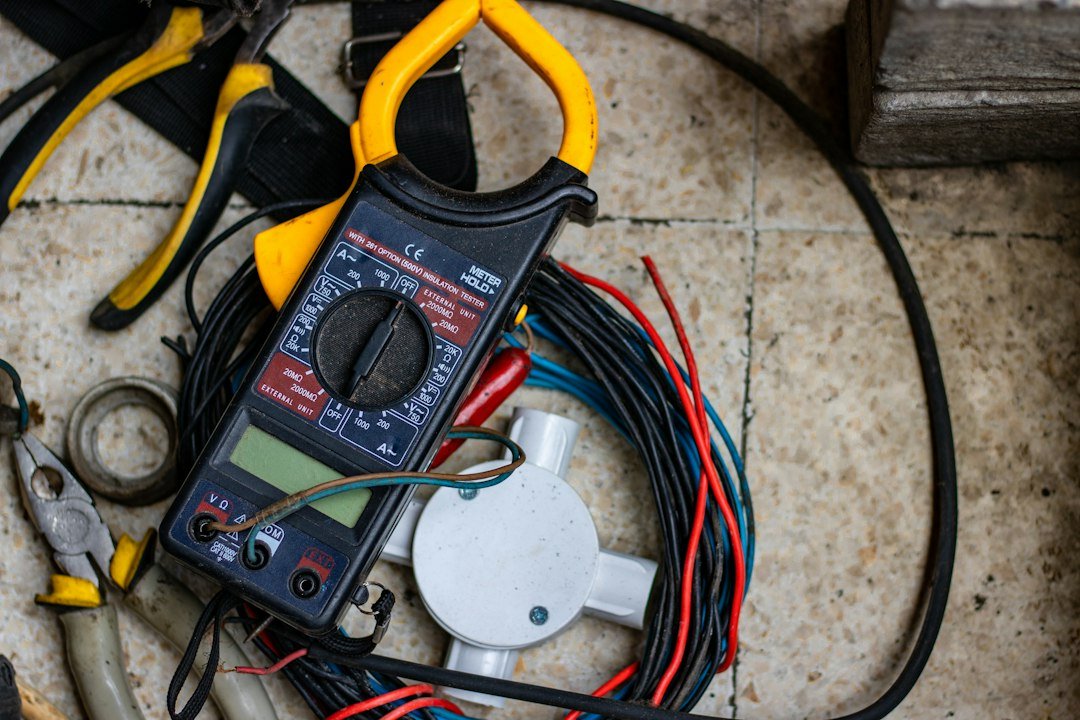
This is the single most useful test for an electric cart, and a basic multimeter is all you need. If the settings are unfamiliar, Fluke has a helpful primer on using a multimeter.
- Charge the pack fully and let it rest for an hour.
- Measure the resting voltage of the whole pack and of each battery. A healthy, fully charged lead-acid pack reads roughly 38.2 volts on a 36V system and about 50.9 volts on a 48V system, and the individual batteries should be close to each other.
- With the drive wheels safely off the ground on stands, have a helper press the pedal while you measure the pack and each battery again.
- Compare the numbers. A battery that sags far below its neighbors is your weak link.
- For flooded batteries, check each cell with a hydrometer. A fully charged cell reads about 1.277 specific gravity, and a large gap between cells means a failing battery.
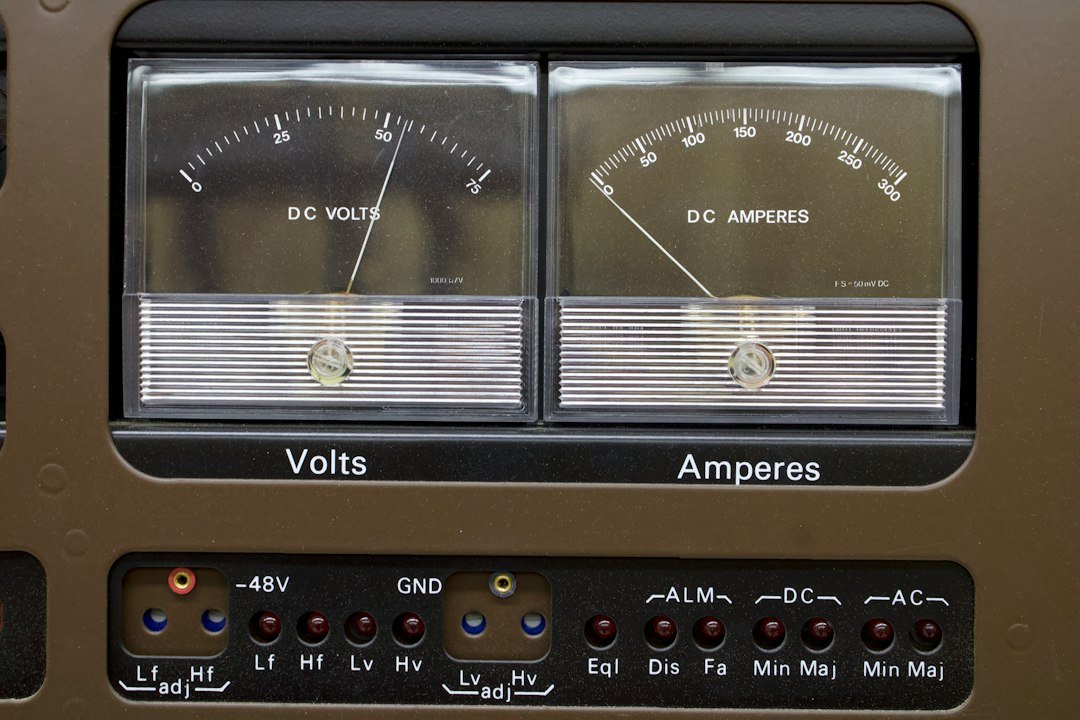
If every battery holds up under load and the cart still struggles, check the cable ends with your hand or an infrared thermometer after a short test, then move on to the controller and motor.
10-Minute Triage
Before you buy a single part, run through this short list. If your golf cart loses power going uphill, one of these will usually jump out.
- Check the tires and brakes. Soft tires and a dragging brake both steal power on a slope.
- Look at the cables. Corrosion, loose lugs, and hot cable ends mean lost voltage.
- Charge fully and retest. A partly charged pack sags first on the biggest hill.
- Note when it fades. Right away points to the pack, and after several minutes points to heat.
- Lighten the load. If the cart climbs fine with one rider, the pack is marginal.
Repair, Recondition, or Upgrade
If one battery tests bad and the rest are young, replacing just that one rarely works well, because mismatched batteries drag each other down. A full matched set is the honest fix for a pack past its fourth or fifth year. Skipping that step is how a golf cart that loses power going uphill ends up in the same shop a month later.
Lithium packs hold voltage much better under heavy current, which is why owners in hilly areas switch. Our comparison of lithium vs lead-acid golf cart batteries covers cost and what to check. If hills are the reason you are shopping, see our guide to the best golf cart for hills.
When to Call a Technician
Stop and call a pro if you smell burning insulation, see scorched plastic, or the cart throws a fault code you cannot decode. Controller diagnosis and motor testing take specialized tools, and guessing on a several-hundred-dollar part is a poor use of a weekend. Always check your cart’s service manual before replacing anything expensive.
Frequently Asked Questions
Why does my golf cart lose power going uphill?
On an electric cart the usual cause is battery voltage sagging under the extra current a climb demands, from an old battery, corroded cables, or a pack that is not fully charged. On a gas cart, look at the drive belt, clutch, and fuel and air supply.
Can bad batteries make a golf cart slow on hills?
Yes. Hills are where weak batteries show up first. A tired battery can look fine at rest and collapse the moment the motor draws heavy current, so test under load rather than only at rest.
Will a lithium battery fix a cart that struggles uphill?
It often helps, because lithium holds voltage better under heavy current. It will not fix bad cables, a failing motor, or a slipping gas clutch, so find the real cause first.
How do I know if it is the motor or the controller?
Rule out the batteries and cables first. If the pack holds its voltage under load, a motor problem usually comes with noise, heat, or a burning smell, while a controller problem tends to show up as power fading after several minutes or a stored fault code.
Does passenger weight really matter on a hill?
It does. More weight means more torque and more current for the same grade, so a marginal pack that handles one rider can fail with two riders and two bags.
Bottom Line
When a golf cart loses power going uphill, do not start by buying a controller. Check the tires and brakes, then test the batteries under load, then inspect the cables. Move on to the controller and motor only after those pass, and on a gas cart start with the belt and clutch. Most carts reveal the answer in the first three steps.