In this Article
Golf cart lights not working? Here are 8 common causes, from bulbs and fuses to the voltage reducer, plus a step-by-step multimeter test to find the fault fast.
When your golf cart lights are not working, the fix is usually cheaper and simpler than you expect. Most of the time it is a bulb, a fuse, a switch, or a loose ground, not a major electrical failure.
I have traced dead headlights and taillights on Club Car, E-Z-GO, and Yamaha carts for years. The secret is testing in the right order so you do not replace a part that was never the problem. Here is the order I follow, from the free checks to the ones that need a multimeter.
Table of Contents
Table of Contents
How Golf Cart Lights Get Their Power
Most electric carts run on a 36-volt or 48-volt battery pack, but traditional headlights and taillights are built for 12 volts. A voltage reducer, sometimes called a converter, steps the pack voltage down so the bulbs do not burn out.
Some older reducers pull from just a couple of batteries in the pack, while newer units draw from the whole pack. Certain LED light kits are built to run on higher voltage, so the setup on your cart depends on how it was built or upgraded. Check your owner’s manual or the label on the reducer before you assume anything.
Gas carts are different. They run lights off a 12-volt battery that the engine’s charging system keeps topped up. I cover that near the end.
Safety First
Turn the key off and put the tow/run switch in TOW before you touch any wiring. Take off rings and watches, and never lay a metal tool across battery terminals.
If you need to unplug the pack, disconnect the main negative cable first and reconnect it last. A 48-volt pack can deliver serious current, so treat every wire as live until you have tested it.
Why Golf Cart Lights Are Not Working: 8 Causes
Work through these in order. The first three cost almost nothing and fix most carts with golf cart lights not working.
1. A Burned-Out Bulb
Start here, because it is the most common cause. Pull the bulb and look at the filament. A broken or blackened filament means the bulb is finished.
If both headlights are out at the same time, a bulb is less likely and you should look at the fuse, switch, or reducer instead. If one side works and the other does not, suspect that bulb or its socket.
2. A Blown Fuse
The light circuit should be protected by a fuse. Find it, pull it, and check it by eye or with a multimeter set to continuity.
Replace a blown fuse only with the same amp rating. If the new fuse blows right away, you have a short somewhere, and swapping in a bigger fuse just risks a wiring fire. Our guide on a golf cart that keeps blowing fuses shows how to track down the short.
3. A Bad Light Switch
Switches wear out, get wet, and corrode inside. A switch that feels loose, crunchy, or works only when you wiggle it is a prime suspect.
With the switch unplugged, set your meter to continuity or resistance and flip the switch on and off. It should read continuity when on and open when off. If it does not, replace it.
4. A Failed Voltage Reducer
If every 12-volt light and accessory is dead at once, the reducer is high on the list. A reducer that is failing can also make lights dim, flicker, or go out as you accelerate.
Measure its output with the lights switched on. You want a steady reading near 12 volts. Owners have reported readings around 10 volts at the headlight socket, which starves the bulbs and shortens their life.
5. A Loose or Corroded Ground
Lights need a clean path back to the battery as well as a clean path in. A rusty ground wire or a loose bolt on the frame can make lights dim, flicker, or fail completely.
Find the ground wires, unbolt them, and clean the ring terminals and the metal underneath with a wire brush. Tighten them back down and test again.
6. Damaged Wiring or Connectors
Carts vibrate, get washed, and sit in the weather, so connectors wear out. Look at the plug blocks under the seat and behind the front cowl, plus the wires running to each light.
Look for green corrosion, melted plastic, pinched insulation, and wires rubbed bare. If the rear lights work but the front ones do not, follow the front wiring harness from the switch to the headlights.
7. Weak Batteries or Voltage Sag
Tired batteries can make lights dim, especially when you press the accelerator and the motor pulls hard. The cart may also run slower or lose range.
If your lights dim under load and the cart acts weak, test the pack before you chase wiring. Our walkthrough on golf cart batteries not holding charge covers resting voltage, hydrometer, and load tests.
8. Wrong Bulbs or a Bad Aftermarket Kit
Bulb ratings matter. In one owner thread, the original bulbs were rated 12.8 volts at 50 watts, and the replacement bulbs were 12 volts at 37 watts, and the owner noticed the weaker light right away.
Aftermarket light kits add another trap. LEDs are polarity sensitive, so reversed wires mean no light, and a kit built for a different voltage than your circuit can burn out or never light. Match the kit to your cart’s voltage and follow its wiring diagram.
How to Test the Circuit Step by Step
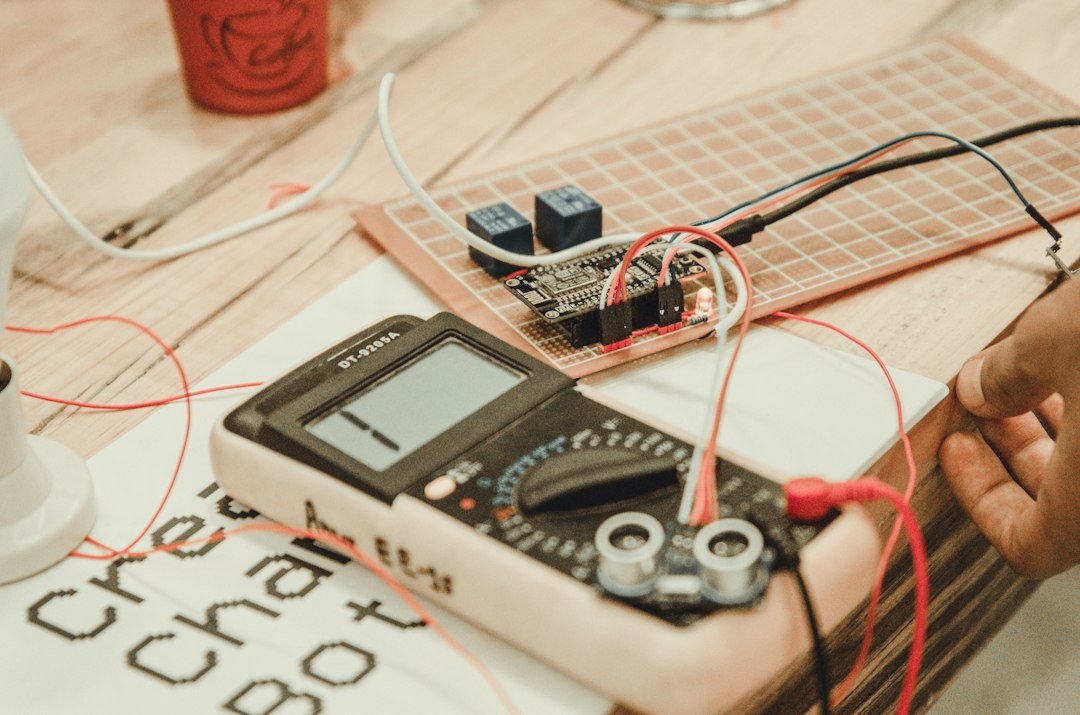
You need a basic multimeter. If you have never used one, Fluke has a helpful primer on using a digital multimeter for continuity tests.
Step 1: Check the Bulbs and the Fuse
Look at every bulb and the light fuse first. This takes five minutes and solves a big share of golf cart lights not working complaints.
Step 2: Test Voltage at the Socket
Turn the light switch on, set the meter to DC volts, and touch the leads to the two contacts in the bulb socket. You should see close to 12 volts on a standard 12-volt circuit.
No voltage means the problem is upstream: the switch, fuse, reducer, or wiring. Good voltage with a dead bulb means the bulb or its socket has failed.
Step 3: Work Backward Toward the Source
Move the meter back along the circuit. Test at the switch, then at the fuse holder, then at the reducer output. The spot where voltage disappears is the spot where the fault lives.
Step 4: Test the Reducer Input and Output
Measure the voltage going into the reducer, then the voltage coming out. If the input is correct and the output is missing or far from 12 volts, the reducer is bad. If the input is low, the problem is the batteries or the cable feeding it.
Step 5: Check the Ground
Put one meter lead on the bulb’s ground contact and the other on the battery negative post. You want almost no resistance. Any real reading means a bad ground path, so clean and tighten it.
What Your Symptom Is Telling You
Match what you see to the likely cause below, then use the test steps above to confirm it.
| What you see | Most likely cause |
|---|---|
| One light out, others fine | Bad bulb or socket |
| All lights out at once | Fuse, switch, or reducer |
| Rear lights work, front do not | Front fuse, switch circuit, or front harness |
| Lights dim when you accelerate | Weak batteries or failing reducer |
| Lights flicker or cut in and out | Loose connector or bad ground |
| New aftermarket lights never work | Reversed polarity or wrong voltage |
How to Keep Your Lights Working Longer
A few habits keep golf cart lights not working from ever becoming a repeat problem. None of them take more than a few minutes.
- Check the bulbs each season. Switch everything on once a month and walk around the cart so you catch a dead bulb before dark.
- Protect the connectors. A dab of dielectric grease on plug blocks keeps moisture and corrosion out, especially if you wash the cart with a hose.
- Keep the pack healthy. Weak batteries cause dim lights and plenty of other trouble, so water flooded batteries and charge after every round.
- Use the right bulbs. Match the voltage and wattage your cart calls for, and wire any aftermarket kit exactly as its diagram shows.
- Fix chafing early. If a wire rubs on the frame, wrap it or reroute it before the insulation wears through and shorts out.
If your cart is also sluggish, remember that low voltage can trigger a speed cutback as well as dim lights. Our article on why a golf cart only goes 5 mph explains how to separate a battery problem from a controller problem.
Gas Carts and Street-Legal Carts
A gas cart runs its lights from a 12-volt battery that the charging system maintains. If your lights dim while the engine runs, test that battery and the charging system before you blame the bulbs.
If you drive on public roads, working lights are not optional. A street-legal cart needs a full set of working lights, and our guide to making a golf cart street legal lists the equipment and costs.
Frequently Asked Questions
Why are my golf cart lights not working all of a sudden?
A sudden failure usually points to a blown fuse, a failed switch, or a failed voltage reducer. Check the fuse first, then test voltage at the switch.
Why do my golf cart headlights work but not the taillights?
The two sets often share a switch but run on separate wiring, so a break in one branch leaves the other working. Check the rear bulbs, the rear connectors, and the wiring back to the tail section.
What does a golf cart voltage reducer do?
It steps the 36-volt or 48-volt pack down to 12 volts so lights and accessories get the voltage they were built for.
Why are my golf cart lights dim?
Dim lights usually mean low voltage reaching the bulb. Common causes are weak batteries, a failing reducer, a poor ground, or bulbs with the wrong rating.
Can I use LED bulbs in my golf cart?
Yes, but match the bulbs or kit to your cart’s voltage and wire the polarity correctly. LEDs draw less power than halogen bulbs, which also eases the load on the reducer.
Bottom Line
When golf cart lights are not working, do not start by buying parts. Check the bulbs and fuse, test voltage at the socket, then work back through the switch, reducer, and ground until you find where the power stops.