In this Article
Found a golf cart battery terminal melted? Here are the six causes, what you can save versus replace, a safe step-by-step repair, and the torque specs that stop it from happening again.
If you have found a golf cart battery terminal melted into a puddle of lead, or a cable lug fused to the post, stop driving the cart and read this first. A melted terminal is almost never a random defect. It is the end result of a poor connection that turned electrical resistance into heat, and the same problem will come back if you only swap the part.
I am Andrew James, and after seven years teaching golf out of Chicago I have watched plenty of carts limp back to the barn with a hot, ruined terminal. This guide covers what causes it, what you can save, how to repair or replace the damage safely, and the torque numbers that keep it from happening again.
Table of Contents
Table of Contents
What It Means When a Golf Cart Battery Terminal Melted
Your cart pulls a lot of current from the pack, especially when you climb a hill or accelerate from a stop. Current passing through a weak or dirty connection meets resistance, and resistance makes heat. That heat can melt the soft lead terminal, break the circuit, and permanently damage the battery.
That is why a melted terminal is a warning, not just a repair. The failure was building for a while, and you probably noticed symptoms first: a cart that loses power under load, a warm cable, a burning smell near the battery tray, or a pack that never seems to hold a charge.
Treat it as a safety issue. Overheated terminals sit right next to acid and hydrogen gas. If you smell burning or see smoke, stop, and disconnect the pack before doing anything else.
6 Causes of a Melted Terminal
Almost every golf cart battery terminal melted by heat traces back to one of the six causes below. Work through them in order, because more than one is often involved.
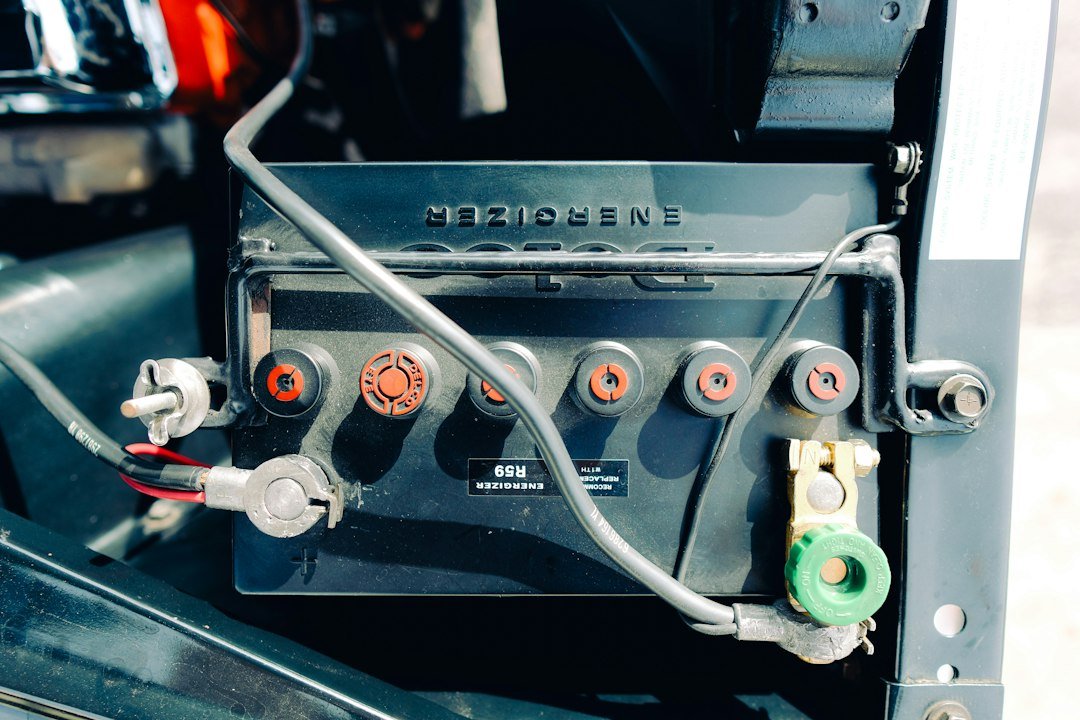
1. A Loose Connection
This is the most common cause I see. Lead is soft and creeps over time, so a terminal that was tight last season can work loose. Every bump on the cart path adds vibration.
A loose cable touches the post over less surface area. Less contact means more resistance, and more resistance means more heat right where the cable meets the lead.
2. Corrosion Buildup
The white, blue, or green crust around a post acts like an insulator. Electricity has to push through it, and that adds resistance. Moisture and acid residue feed the buildup.
Overfilled cells make it worse because electrolyte boils over the top during charging. My guide on how often to water golf cart batteries explains the right fill level and timing.
3. Over-Tightening
Cranking down hard feels safe, but it can deform the soft lead post and leave uneven contact. The connection looks tight and still runs hot. Use a torque wrench instead of guessing, and see the table later in this guide.
4. Worn or Undersized Cables
Corrosion can hide under cable insulation, where you will never see it. A cable that is too thin for the load, or a lug that was crimped but never soldered, adds resistance of its own and passes the heat to the terminal.
Look for stiff, discolored, or swollen insulation. Tug each cable gently, because a weak connection often reveals itself when it moves.
5. The Wrong Charger or Overcharging
A charger that does not match your battery type can overcharge the pack, and frequent short charge cycles strain the terminals over time. If your charger has been acting strangely, check my guide on a golf cart charger not turning on before you plug in again.
6. Heat, Dirt, and Vibration
Humidity, road grime, vibration, and extreme heat all raise resistance over time. A cart stored in a damp shed or driven daily on rough terrain needs its connections checked more often than one that lives in a dry garage.
Warning Signs Before a Terminal Melts
A golf cart battery terminal melted at the end of a hill climb rarely comes without warning. You just have to know what to look for, and the best time to check is right after a hard drive, while the connections are warm.
- Cable ends that feel much hotter than the rest of the pack after a drive.
- A cart that hesitates or loses power under load, especially going uphill.
- A burning or acrid smell near the battery tray.
- Discolored, shiny, or slumped lead around a post.
- Melted or swollen cable insulation.
- Fresh corrosion on posts a few weeks after you cleaned them.
Compare each connection with its neighbors. One that runs noticeably hotter has more resistance than the rest. If your cart is also struggling on slopes, my guide on a golf cart that loses power going uphill walks through the voltage-sag test that often points straight at a bad connection.
Catching one of these signs early turns a ruined battery into a ten-minute retightening job. Ignoring it is how you end up with a golf cart battery terminal melted onto a cable you can no longer remove.
Step One: Make the Cart Safe
Do this before you touch anything, even if the terminal looks cold. A battery pack stores a lot of energy, and a wrench that bridges a post and the frame can arc.
- Turn the key off and set the tow/run switch to TOW.
- Let everything cool down. Melted lead and hot cables cause burns.
- Put on safety glasses and rubber gloves, and work in an open, ventilated space with no sparks or flames nearby.
- Disconnect the pack’s main negative cable first, using insulated tools.
What You Can Save and What You Must Replace
Not every damaged terminal means a dead battery. Use the table below to decide what you are dealing with.
| What you see | Usual fix |
|---|---|
| Light corrosion, no discoloration or deformation | Clean with baking soda and water, then retighten to spec |
| Discolored or melted cable insulation, heat-marked lug | Replace the cable and its lug |
| Post deformed, cracked, or partly melted | Replace the battery, or ask a battery shop to inspect it |
| Post melted away or case leaking | Replace the battery right away and handle the acid with care |
Please do not try to patch a melted lead post with a torch or solder gun on a charged lead-acid battery. These batteries vent hydrogen gas, and a damaged post cannot be trusted to carry a heavy load anyway.
Also remember that one weak battery drags down the whole series pack. After a failure like this, test every battery, and use my walkthrough on golf cart batteries not holding charge to find the others that are suffering.
How to Repair or Replace the Damaged Parts
- Inspect with a flashlight. Look for discoloration, warping, cracks, and melted insulation on every terminal and cable in the pack, not just the one that failed.
- Test the voltage. Use a multimeter on each battery. One that reads far below its neighbors is a suspect.
- Clean the connections. With the pack disconnected, scrub corrosion with a wire brush and a baking soda and water solution, then wipe everything dry.
- Replace what is damaged. Swap heat-damaged cables and lugs, and replace any battery with a deformed or melted post. Use cables sized for your cart.
- Reassemble correctly. Put the lock washer between the nut and the connector, never between the connector and the post. Tighten only until the washer compresses.
- Protect the connection. Apply a corrosion inhibitor after the cable is on. Do not put grease between the post and the connector.
- Torque to spec. Use the numbers in the next section, then reconnect the main negative cable last.
Torque Specs That Keep a Terminal From Melting Again
Here are the torque values published for common deep cycle terminal types. Check your own battery maker’s specification first, because designs vary.
| Terminal type | Torque |
|---|---|
| UTL and UT threaded studs | 95 to 105 in-lb (7.9 to 8.8 ft-lb) |
| Bolt-through terminals | 100 to 120 in-lb (8.3 to 10 ft-lb) |
| SAE tapered posts | 50 to 70 in-lb (4.2 to 5.8 ft-lb) |
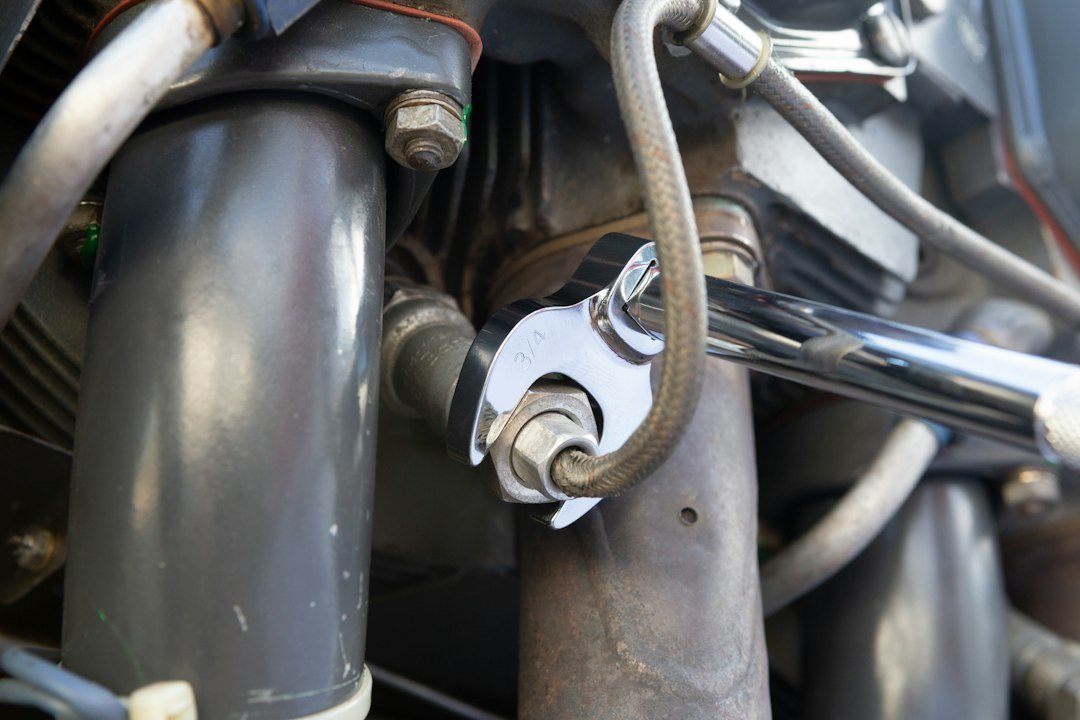
Use a torque wrench that reads in the 0 to 200 in-lb range. Larger wrenches overshoot these small values easily. The full explanation is in this Golf Course Industry article on deep cycle battery terminal torque.
How to Stop It From Happening Again
Prevention takes about ten minutes a month. Build these habits into your routine:
- Retighten on a schedule. Lead creeps, so recheck every connection with a torque wrench each month, and more often in hot weather.
- Keep posts clean. Brush off corrosion early and add a corrosion inhibitor.
- Inspect the cables. Replace any with melted insulation, hidden corrosion, or exposed wire.
- Use the right charger. Match it to your battery type.
- Use terminal covers and dry storage. Covers prevent accidental arcs, and a dry spot slows corrosion.
If you are tired of battery chores in general, my comparison of lithium vs lead-acid golf cart batteries shows what you skip with lithium. Connections still need to be tight either way.
Frequently Asked Questions
Why did my golf cart battery terminal melt?
Nearly always because of high resistance at the connection. A loose cable, corrosion, over-tightening, or a worn cable creates heat under load, and soft lead melts easily.
Can I drive with a golf cart battery terminal melted?
No. The connection is already compromised and will keep heating. Disconnect the pack, fix the cause, and replace the damaged parts first.
Can a melted battery terminal be repaired?
A damaged cable lug can be replaced. A badly melted post usually means replacing the battery, so have a battery shop look at it rather than patching it yourself.
How tight should golf cart battery terminals be?
It depends on the terminal type. Threaded studs are typically 95 to 105 in-lb, bolt-through terminals 100 to 120 in-lb, and SAE tapered posts 50 to 70 in-lb. Always confirm with your battery maker.
Does a melted terminal ruin the battery?
It can. Overheating that melts the lead can permanently damage the battery, which is why a deformed or melted post should be treated as a replacement, not a cleanup.
Bottom Line
A melted terminal is heat from a bad connection, and the fix is to correct the connection, not just replace the part. Make the cart safe, replace anything heat-damaged, torque every terminal to spec, and recheck monthly. Do that and you will not find another golf cart battery terminal melted on your cart.