In this Article
Knight golf clubs were a budget staple for beginners for decades, but the brand stopped making new sets years ago. Here's what's true about them, what a used set is worth, and whether they're still worth buying in 2026.
If you’ve stumbled across a set of Knight golf clubs at a garage sale, in a relative’s garage, or listed secondhand online, you’ve probably asked the obvious question: are they actually any good, or just an old bargain-bin brand not worth the bag space? I get some version of this question a few times a year from students who inherited a set or found one cheap on Marketplace. This guide covers what the brand actually made, whether it still makes new clubs, what a used set is realistically worth in 2026, and who should — and shouldn’t — buy one.
What Are Knight Golf Clubs? A Quick History
Knight Golf built its name as a value-focused club brand aimed squarely at beginner and mid-to-high-handicap players. The clubs were manufactured for Knight by King Par, a longtime OEM golf club maker that has produced equipment for several budget and private-label brands over the years.
Distribution is the other half of the story. Knight sold heavily through big-box retailers like Walmart and Kmart rather than pro shops or specialty golf stores, which is a big part of why the brand built such a wide footprint. A lot of casual golfers bought their first full set at a Walmart in the 1990s or 2000s, and a good chunk of those sets were Knight.
You’ll sometimes see conflicting details online about exactly who founded the company and when. What’s well documented is the ownership history: Knight Golf was acquired by Dick’s Sporting Goods in 1997, and the brand later changed hands again before production wound down. For a buyer today, the exact founding story matters a lot less than what the clubs are actually like to play — which is what the rest of this guide covers.
Are Knight Golf Clubs Still Being Made?
No. Knight Golf is no longer manufacturing new clubs, and hasn’t been for years. That’s the single most important thing to know before you go looking for one — you won’t find new inventory at a retailer, and any “new” listing you see online is almost always old stock or a mislabeled used set.
Because the brand is discontinued, there’s no active manufacturer support behind it either. Any warranty language you see on old product pages or reseller listings doesn’t reflect a company that’s still standing behind the clubs today. Every Knight club on the market now is a used club, full stop, and you should shop for one accordingly.
Are Knight Golf Clubs Any Good?
This is where I want to be straight with you instead of just repeating marketing copy from a decade-old catalog. These clubs were never premium equipment, and they were never trying to be. Judged against what they were built for — cheap, forgiving clubs for beginners — they mostly did the job.
What Knight Golf Clubs Get Right
- Price point. Even at original retail, full sets ran well under $400 — a fraction of a comparable premium set — and used prices today are lower still.
- Forgiving designs. Oversized clubheads and generous sweet spots were the norm across the lineup, which suits players who haven’t grooved a consistent strike yet.
- Complete sets. Knight typically sold driver-through-wedge packages, so a beginner wasn’t stuck piecing a bag together club by club.
- Decent materials for the era. Several Knight irons and drivers held up reasonably well over years of casual play, according to golfers who still have sets in their garage.

Where Knight Golf Clubs Fall Short
- Dated technology. Shaft materials, clubhead aerodynamics, and face design have all moved on significantly since Knight was actively developing new models.
- Weak resale value. Because the brand isn’t actively recognized or collected, a used Knight set won’t hold value the way a used TaylorMade or Callaway set might.
- Zero manufacturer support. No warranty, no fitting program, no customer service line — you’re entirely on your own with a used set.
- Inconsistent condition. Since every set on the market is used and often decades old, quality varies enormously from one listing to the next.
Popular Knight Golf Club Models You’ll Find Used
Knight’s lineup can look confusing today because so many old listings mix model names loosely. A few names come up often enough to be worth knowing if you’re shopping secondhand.
The Knight Ripstop line is one of the more commonly referenced sets among golfers who still own one, generally described as having a solid build and reliable distance control comparable to other mid-range clubs of its era. The Yellow Jacket 460 Forged driver gets singled out fairly often for its forgiveness and ease of use — the oversized 460cc head was standard for game-improvement drivers of that generation. The Tsunami line covered Knight’s more entry-level driver and fairway wood options, and individual pieces still turn up on resale sites at low prices.
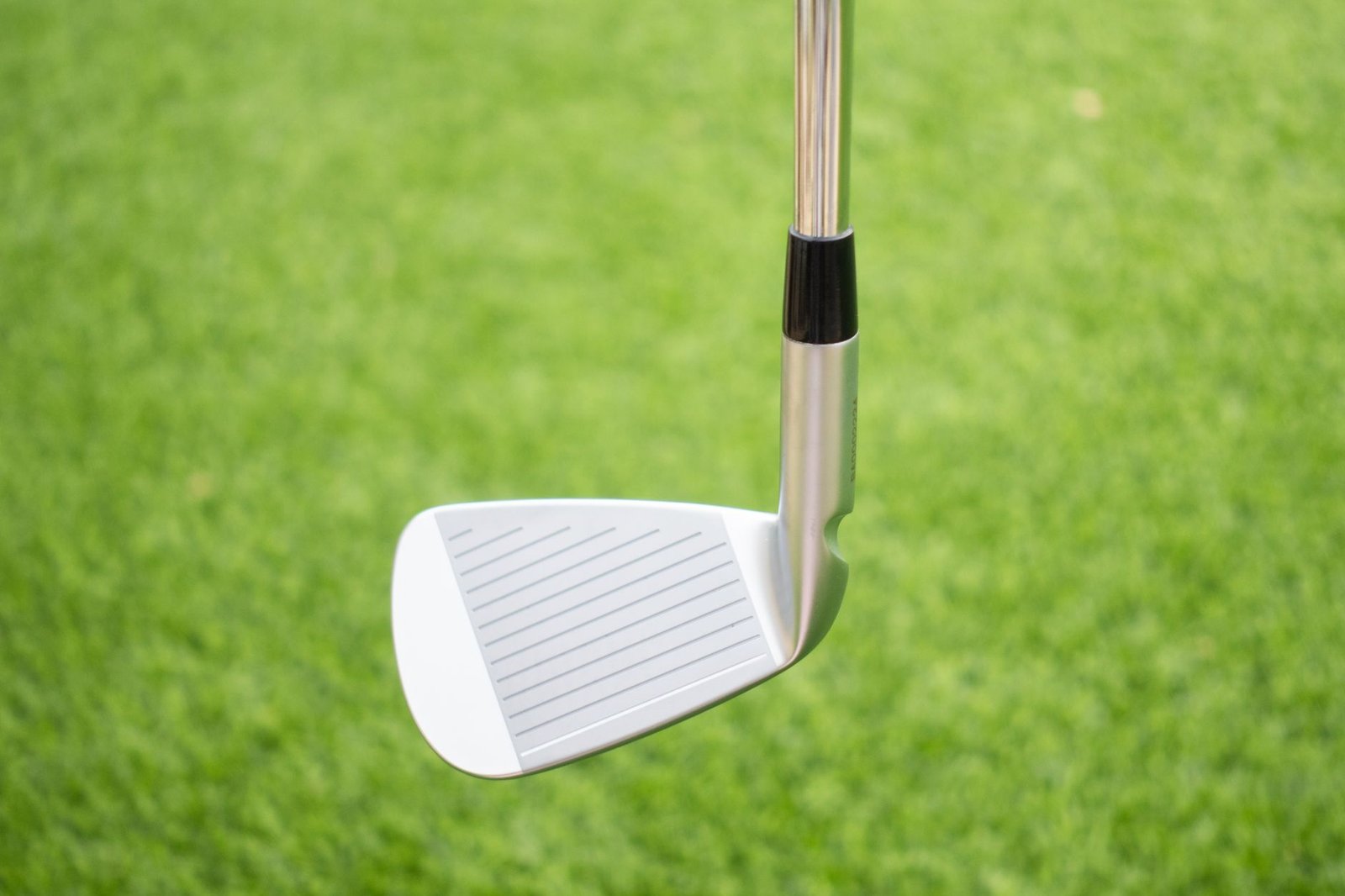
If you’re buying individual pieces rather than a full set, matching the model line matters more than most beginners realize — mixing a Ripstop iron set with a mismatched driver from a totally different Knight line can leave you with inconsistent swing weight across the bag.
How Much Is a Used Set Worth Today?
Since these clubs are strictly a secondhand purchase now, pricing runs low across the board. Individual wedges and irons commonly list in the $10-$70 range — a Knight Ripstop wedge, for example, has sold for around $70, and individual Tsunami drivers have gone for a similar amount.
Full sets tend to land well under what you’d pay for a used set from a currently active budget brand, often in the range of $50-$150 depending on completeness and condition. Beat-up sets with mismatched grips or worn faces sell for less; clean, complete sets with matching model numbers command a bit more. Either way, you’re not paying premium-brand used prices for Knight clubs, and you shouldn’t.
Where to Buy a Used Set in 2026
Because the brand is discontinued, there’s no current retail channel — you won’t find them at Walmart, Dick’s, or a pro shop anymore. Your realistic options are all secondhand: eBay has the widest and most consistent selection, Mercari turns up occasional individual pieces and full sets, and local marketplace listings or garage sales can occasionally land you a complete bag for next to nothing.
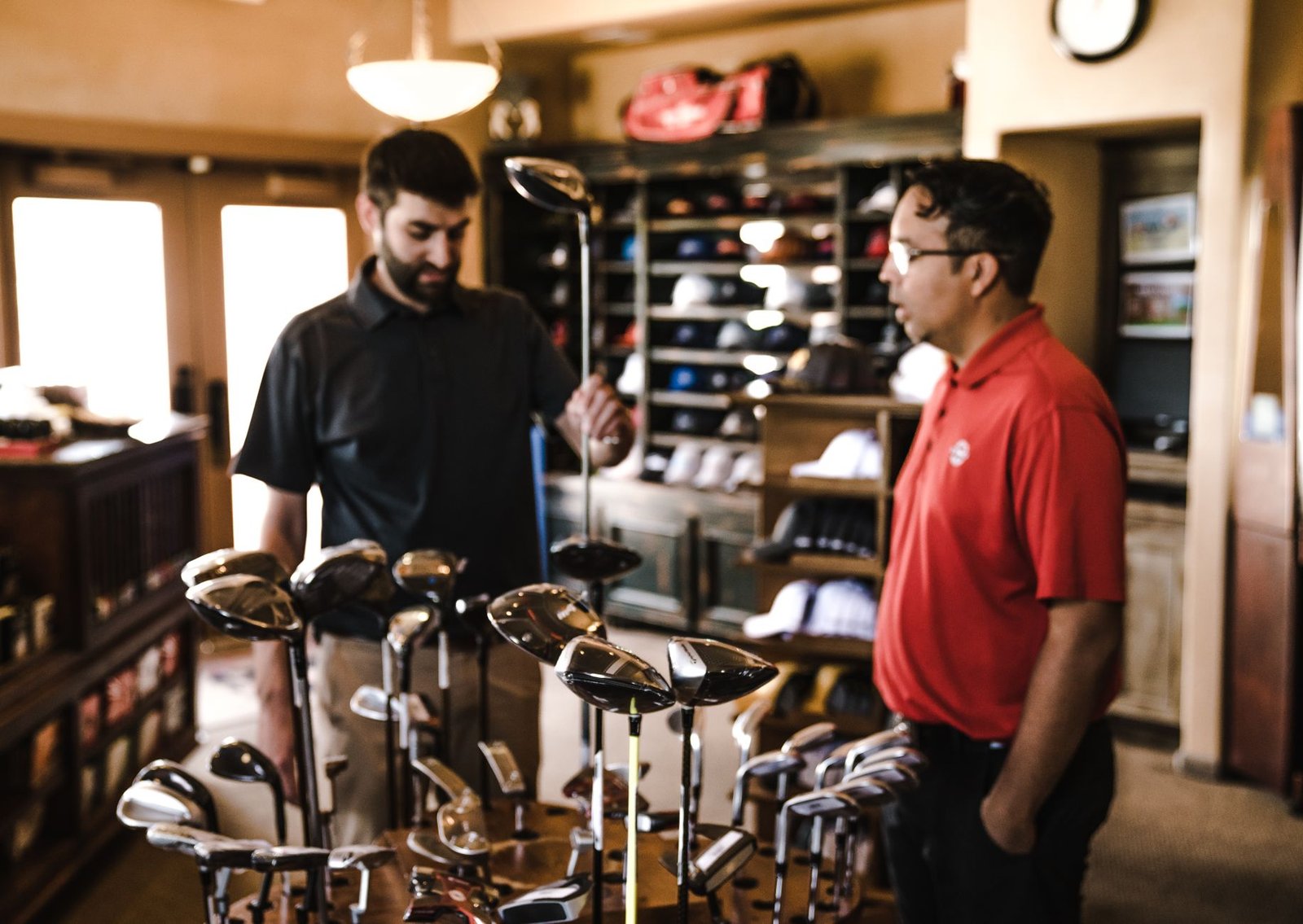
If you’re new to buying used equipment in general, PGA.com’s rundown of where to buy and sell used clubs is a solid starting point for comparing marketplaces beyond just Knight-specific listings.
What to Check Before Buying a Used Set
Buying a used set — Knight or otherwise — comes with real risk if you don’t inspect it first. A few things I always tell students to check before handing over cash for any secondhand clubs.
- Shafts. A bent steel shaft is a hard pass — it significantly raises the odds of breakage. On graphite shafts, look for paint wear, cracking near the ferrule, or stress marks just below the grip.
- Clubheads. Check for dings, dents, and deep scratches. Cosmetic wear is normal on anything this old; structural damage isn’t.
- Grips. Old, hardened, or mismatched grips are common on decades-old sets and are cheap to replace — factor that into your offer. If you’re not sure what size fits your hand, our guide to grip sizing walks through it.
- Grooves. Worn-down grooves on the clubface hurt spin and control more than most buyers expect. Run a fingernail across the face — if the grooves feel shallow or smoothed over, factor that into the price.
One more thing worth knowing: older clubs are generally still fine to play under the Rules of Golf outside of tournament conditions. The USGA’s Conforming Club and Ball Lists mainly govern competitive play, and casual rounds with a used set like this won’t run into any rules trouble.
Knight Clubs vs. Today’s Budget Alternatives
If your goal is a brand-new set with a working warranty, Knight simply isn’t in the running anymore — the brand doesn’t make anything new to compare. Current budget lines like Wilson, Top Flite, and Strata fill that role today, with modern shaft materials, active customer support, and warranties that actually mean something.
Where these clubs still make sense is purely as a cheap, secondhand option — a backup set, a beginner’s first bag before they know if the game will stick, or a kid’s starter set that’ll get outgrown in a year anyway. For any of those uses, the low used price of a Knight set is arguably a bigger selling point than anything else on this list.
Who Should (and Shouldn’t) Buy Knight Golf Clubs
Knight golf clubs make the most sense for absolute beginners who want to try golf without committing real money before knowing whether they’ll stick with it — if you’re brand new to the game, our step-by-step guide for beginners is a good next stop after you’ve got clubs in hand. They’re also a reasonable pick for a garage-sale backup set, a travel bag you don’t mind checking on a flight, or a kid’s first full set that they’ll outgrow before it matters.
Where I’d steer you elsewhere: if you’re a mid-to-low handicap player who’s serious about improving, if you want a warranty behind your equipment, or if you’re regripping your own clubs and want that process to be simple — our Champkey grips review covers a budget-friendly option that pairs well with an older set like this one. For any of those situations, a currently-produced budget set will serve you better than a decades-old Knight set, even at a slightly higher price.
Frequently Asked Questions
Are Knight golf clubs any good?
For what they were built to do — affordable, forgiving clubs for beginners — yes, reasonably. They were never premium equipment and won’t compete with a modern set, but for the price they were sold at, and the even lower prices they sell for used today, they hold up as a budget option.
Who makes Knight golf clubs?
Knight golf clubs were manufactured for the Knight Golf brand by King Par, an OEM golf club maker. Knight Golf itself was acquired by Dick’s Sporting Goods in 1997 before later changing hands and eventually discontinuing production.
Are Knight golf clubs still being made?
No. Knight Golf is no longer manufacturing new clubs. Every set on the market today, new-in-box listings included, is old stock or used.
Where can I buy Knight golf clubs?
Since the brand is discontinued, your only realistic sources are secondhand: eBay, Mercari, local marketplace listings, garage sales, and thrift or consignment shops that carry sporting goods.
Are Knight golf clubs good for beginners?
Yes — this is arguably their best use case. The forgiving, oversized designs and low used prices make Knight golf clubs a low-risk way to try the game before investing in something more expensive.
How much are Knight golf clubs worth?
Individual pieces typically sell for $10-$70 depending on the club and condition, while full used sets usually run somewhere between $50 and $150. Condition and completeness of the set are the biggest price factors.
Final Thoughts
This isn’t a brand you need to chase down, but if one crosses your path cheap and in decent shape, there’s no real reason to pass it up for the right buyer. Inspect the shafts and grooves, expect to replace the grips, and go in knowing you’re buying a piece of budget golf history rather than modern equipment.
For a beginner testing the waters, a backup bag, or a kid’s first set, a clean used set at a garage-sale price is honestly hard to beat. Just don’t expect it to compete with anything currently on a pro shop rack, and you won’t be disappointed.
Where to Shop
Affiliate links – we may earn a small commission at no extra cost to you, and it never changes what we recommend.