In this Article
If your fingers cramp or the club feels like it's sliding open at the top of your swing, you might just need the best golf grip for big hands. Here's how to size, choose, and install one.
If you’ve ever finished a round with cramped fingers or a grip that felt like it was sliding open at the top of your backswing, the problem probably isn’t your swing. It’s that you’re playing a standard grip when what you actually need is the best golf grip for big hands. Golf clubs still ship with one-size-fits-most grips, and for a huge number of golfers, that “most” doesn’t include them.
I’ve fit plenty of students with hands that simply didn’t match their factory grips. Once we sized up, the fix wasn’t subtle — tension dropped, contact got more consistent, and a few of them picked up real swing speed almost by accident. This guide walks through how to tell if your hands actually qualify as “big” for golf purposes, what sizes exist, which specific grips are worth buying, and how installing the right one changes your ball flight.
How to Know If Your Hands Are Actually Big for Golf

Before you shop for a golf grip for big hands, “big hands” needs to be a feel-based label until you measure something. The fastest way is the middle-finger test: measure from the crease of your wrist to the tip of your middle finger on your top hand. Under 7 inches usually means undersize, 7 to 8 inches is standard, 8 to 9 inches is midsize, and 9 inches or more points you toward jumbo.
Glove size is a decent shortcut if you don’t want to grab a tape measure. Golfers wearing a men’s large or XL glove are strong candidates for a midsize or jumbo grip, while a medium glove usually pairs fine with standard. It’s not perfect — glove sizing varies by brand — but it gets you in the right neighborhood fast.
The most reliable check happens with a club in your hands. Take your normal grip with your lead hand and pay attention to where your fingertips land. They should just barely brush the pad at the base of your thumb. If your fingertips dig into that pad, or your fingers wrap all the way under and touch your palm, the grip is too small for you — a common story for golfers with big hands stuck on factory-standard equipment.
A lot of golfers skip this check because their thumb position already feels wrong for other reasons, and they assume it’s a technique problem rather than an equipment one. Worth ruling out equipment first — it’s the five-minute fix, whereas rebuilding thumb placement takes weeks to feel natural again.
Grip Sizes Explained: Standard, Midsize, and Jumbo
Grip size refers to outer diameter, not length, and the jumps between sizes are smaller than most golfers expect. A standard men’s grip runs close to 1 inch in diameter. Midsize adds about 1/16 inch on top of that. Jumbo, sometimes labeled +1/8″, adds roughly double the midsize bump.
Those fractions sound tiny, but they change how your hand sits on the club in a way that’s immediately noticeable. A midsize grip measuring +1/16″ typically comes in around .960 inches in diameter, measured 2 inches down from the butt end. A true jumbo runs closer to 1.02 inches at that same measuring point.
A golf grip for big hands doesn’t always mean jumping straight to jumbo — you can also get a custom in-between size using extra wraps of tape under a standard grip — each wrap adds roughly 1/64 inch. A lot of club fitters use this trick to dial in a size that falls between the factory options, which is worth asking about if midsize feels slightly too small but jumbo feels like overkill.
Golf Pride publishes a detailed swing grip size guide if you want to cross-check your measurements against manufacturer specs before you buy anything. It’s worth five minutes, especially if you’re ordering grips online instead of testing them in person at a shop.
Best Golf Grip for Big Hands: Top Picks by Category
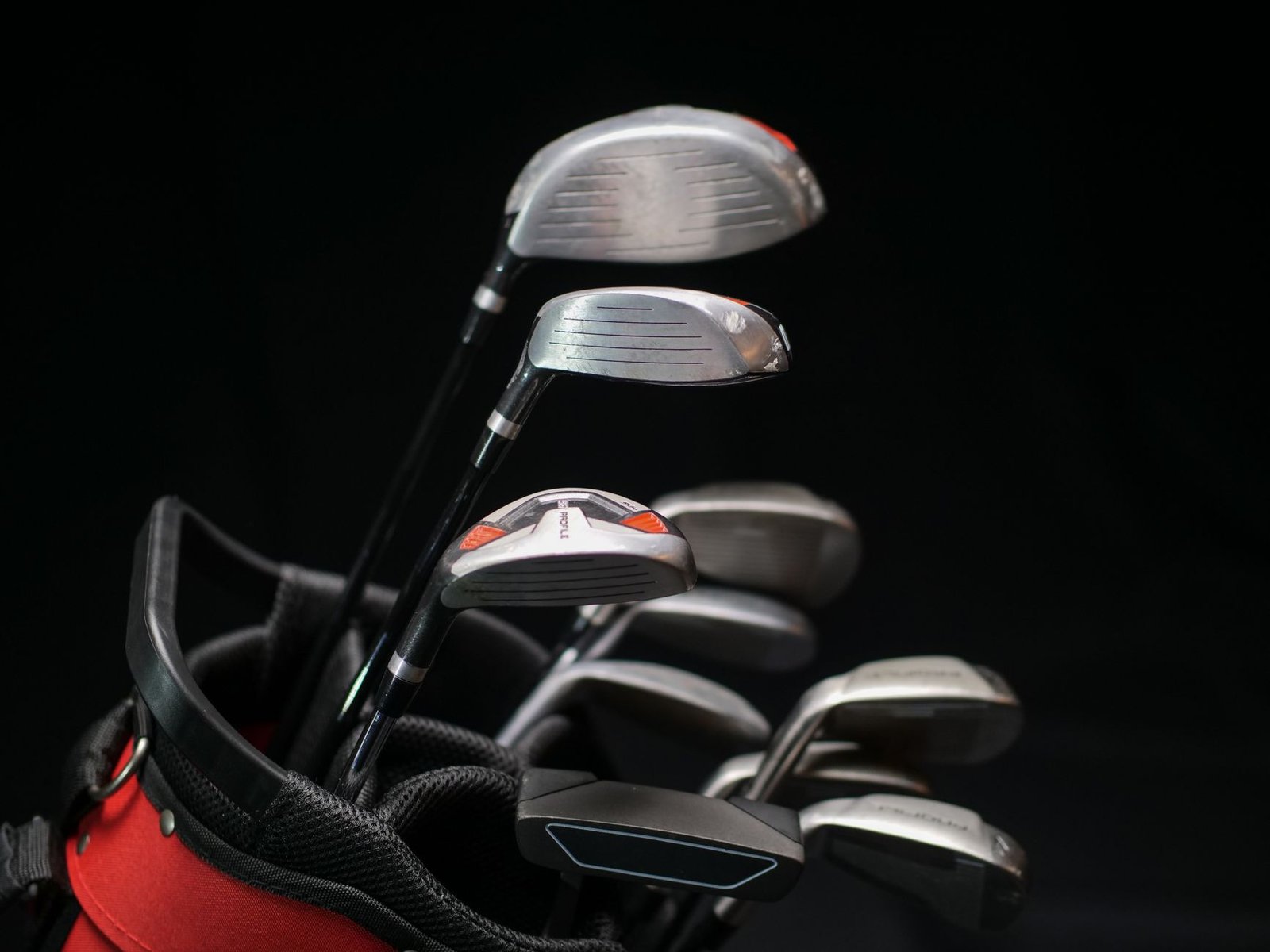
Once you know your target size, picking the right golf grip for big hands still matters — texture, taper, and weight all change how a “big hands” grip performs. Here are three that consistently come up as smart choices for larger hands, each solving a slightly different problem.
Golf Pride MCC Plus4
The MCC Plus4 uses a reduced-taper design, which means the lower hand doesn’t have to close down as far to reach a comfortable grip pressure. For golfers with big hands who also fight a hook, this is often the first grip I’ll suggest, since the more uniform diameter calms an overactive bottom hand without going full jumbo. It’s a hybrid rubber-and-cord construction, so it holds up well in humid or sweaty conditions too.
Lamkin Crossline Jumbo
If you’ve confirmed you need a true jumbo build, the Crossline Jumbo is a reliable, affordable entry point. It uses a firm rubber compound with a crosshatch pattern for traction, and because it’s one of the more budget-friendly jumbo options, it’s a low-risk way to test whether a full jumbo size actually suits you before spending more on a premium grip.
JumboMax JMX Ultralite
JumboMax built its entire brand around larger grips, and the JMX Ultralite is worth knowing about specifically because it’s 20-25% lighter than a standard-weight grip despite the bigger diameter. That matters more than it sounds — a heavier jumbo grip can eat into your swing speed, and the Ultralite construction is aimed at golfers who want the comfort of a bigger grip without giving back distance. It’s a common recommendation for players who tried a jumbo grip once, found it sluggish, and assumed jumbo just wasn’t for them.
What About Budget Options?
Not every golfer with big hands wants to spend premium-grip money to test a theory. If you just want to confirm that sizing up helps before investing more, a basic rubber jumbo or midsize grip from a value line is a reasonable first step. We’ve broken down how two of the biggest mainstream brands stack up in our Golf Pride vs Lamkin comparison, which is worth a look before you commit to a full set of premium grips.
It’s also worth checking reviews of newer, lower-cost entrants before assuming the big three brands are your only options. Our Champkey grips review covers one budget alternative that comes in midsize and jumbo builds at a fraction of the premium price, which makes it a reasonable way to test a bigger size without much financial risk.
How Grip Size Actually Changes Your Ball Flight
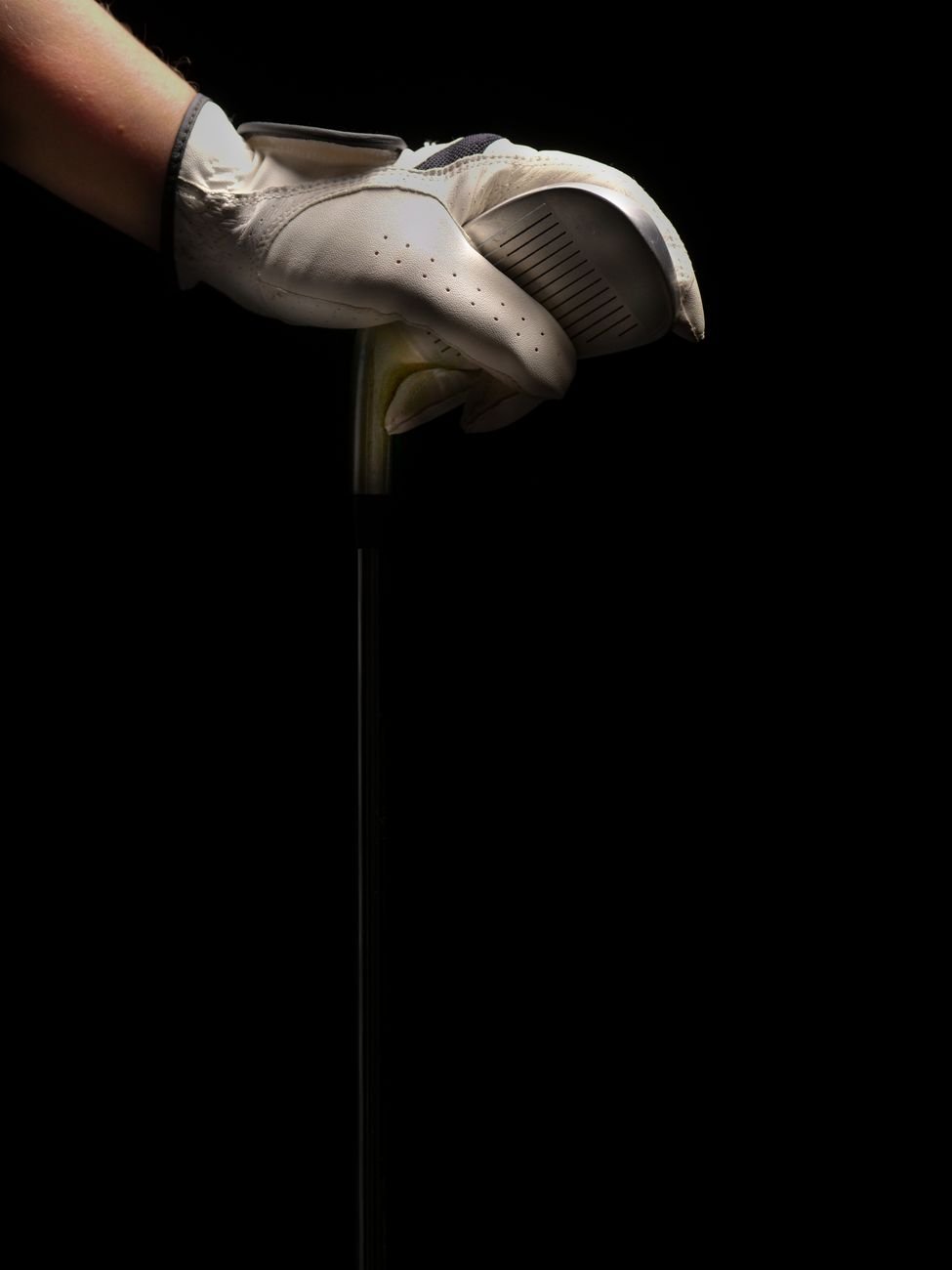
Grip size isn’t just a comfort question — it has a real, measurable effect on shot shape. A grip that’s too small for your hands tends to let the hands get overactive through impact, which is a classic setup for a hook. Go too big, and the opposite problem shows up: the club can feel restricted through the hitting zone, and the face has a harder time squaring up, which nudges shots toward a slice or push.
For golfers with genuinely large hands playing a standard grip, this isn’t a minor styling preference — it’s often the hidden cause of an inconsistent miss that survives swing lesson after swing lesson. If your fingers can’t reach the heel pad on your grip, you don’t have full control of the clubface at the moment that matters most.
None of this means grip size fixes every swing fault on its own. It’s rarely the entire story. But if you wear a large or XL glove and you’re still fighting the same miss no matter how many lessons you take, sizing up is one of the cheaper, faster experiments available to you — cheaper than a new driver and faster than rebuilding your swing from scratch. MyGolfSpy’s grip size chart breakdown is a good second opinion if you want more data points before you buy.
How to Regrip Your Clubs for Bigger Hands
Installing a new golf grip for big hands is a same-day fix at most golf shops, and it’s not expensive relative to the rest of your equipment. A full set typically runs somewhere between the cost of a dozen premium golf balls and a new wedge, depending on the grip you choose and whether the shop is adding extra tape wraps for a custom fit.
If you’re comfortable doing it yourself, the process just requires grip solvent, double-sided tape, and a vise — no different from a standard regrip, just with a larger grip on the other end. One thing worth knowing before you start: reused grip tape rarely holds as well as fresh tape, so don’t try to cut corners there.
Whichever route you take, change one variable at a time. If you go from a standard grip taper and size straight to jumbo across your whole bag in the same week you also tweak your grip pressure, you won’t know which change actually fixed — or caused — anything. Regrip a single club first, play a few rounds, and let the ball flight tell you if it’s working before committing your whole set.
Frequently Asked Questions
What glove size means I need a bigger golf grip?
If you’re shopping for a golf grip for big hands, men’s large or XL gloves are the general threshold where a midsize or jumbo grip starts making sense. Medium and medium-large gloves usually pair fine with standard grips. It’s a useful starting estimate, but the fingertip test with an actual club in your hands is more reliable than glove size alone.
Will a bigger grip cost me distance?
It can, but usually only if the grip you choose is also significantly heavier than what you’re used to, or if it’s genuinely oversized relative to what your hands need. Lightweight jumbo options like the JMX Ultralite are built specifically to avoid this tradeoff. Most golfers who size up appropriately see steadier contact, which tends to offset any small loss in raw hand speed.
Can I put a jumbo grip on just my driver instead of the whole set?
Yes, and plenty of golfers do exactly that, especially if they’re only fighting a specific miss with the driver. Just know that switching grip size between clubs changes how consistent your hand position feels bag to bag, so some players prefer uniform sizing across every club once they’ve settled on the right fit.
Is midsize or jumbo better for arthritis or joint pain?
Thicker grips generally help here, since they reduce how much your fingers have to flex to hold onto the club. Many golfers with arthritis land on midsize as the sweet spot — enough extra diameter to ease joint stress without feeling like they’ve lost touch and feel entirely, which can happen with a full jumbo build.
How do I know if a grip is too big rather than too small?
If your fingertips don’t reach the heel pad of your top hand at all, or the club feels like it’s fighting you through the release, that’s usually a sign you’ve gone too big. The right size lets your fingers lightly touch that pad without pressing hard into it or hovering away from it.
Do I need to change my grip size for irons and my driver separately?
Not necessarily, but it’s common for golfers to size up on the driver first since that’s usually where a hook shows up most aggressively. If you notice the mismatch bothering your tempo when switching clubs mid-round, that’s a sign to standardize the size across your full set rather than mixing sizes club to club.
The Bottom Line
A properly sized golf grip for big hands is one of the least expensive changes you can make to your equipment, and for golfers with big hands stuck on factory-standard grips, it’s often overdue. Measure honestly, test the fingertip check with a real club, and start with one regripped club before committing your whole bag. If you’ve been chasing a swing fix for months, this might be the five-minute answer that was sitting in your hands the whole time.
Where to Shop
Affiliate links – we may earn a small commission at no extra cost to you, and it never changes what we recommend.
- Midsize grips – the right starting point for most larger hands.
- Jumbo and oversize grips – for genuinely large hands or arthritic joints.
- Grip tape – extra wraps let you build up size without changing grips.
- Cadet gloves – shorter fingers with a wider palm, made for exactly this hand shape.