In this Article
We break down what's actually in Karma golf grips, how they compare to Golf Pride and Lamkin, and whether they're worth putting on your clubs.
I get asked about Karma golf grips almost as often as I get asked about the bigger names on the wall at my local shop. Golfers see a 13-pack for a fraction of what Golf Pride or Lamkin charges and want to know one thing: are Karma golf grips any good, or are you just getting what you pay for? I’ve regripped test clubs with several Karma lines over the past few seasons, and this review breaks down exactly what’s in them, how they perform, and who should actually buy them.
What Are Karma Golf Grips, Exactly?
Karma is a grip brand owned by Hireko Trading Co., a company that’s been selling golf components and clubmaking supplies for decades. Karma itself has been positioned as a “performance value leader” in grips for more than 15 years, which is a long track record for a budget-focused brand in a market where plenty of cheap alternatives come and go.
Unlike some off-brand grips that just copy a Golf Pride or Lamkin profile and slap a new label on it, Karma runs its own distinct lineup. That includes rubber swing grips, corded options, synthetic putter grips, and specialty grips for arthritic hands or training purposes. It’s a real product line with its own identity, not just a clone.
Are Karma Golf Grips Any Good? Materials and Feel
This is the question that actually matters, so let’s get into it directly. Most Karma swing grips use a rubber compound, with the Velour and Revolution lines relying on a proven, classic pattern that’s been popular in the value segment for years. The newer Soft Trac line uses a softer rubber compound with a nubbed texture aimed at nonslip performance without sacrificing feel.
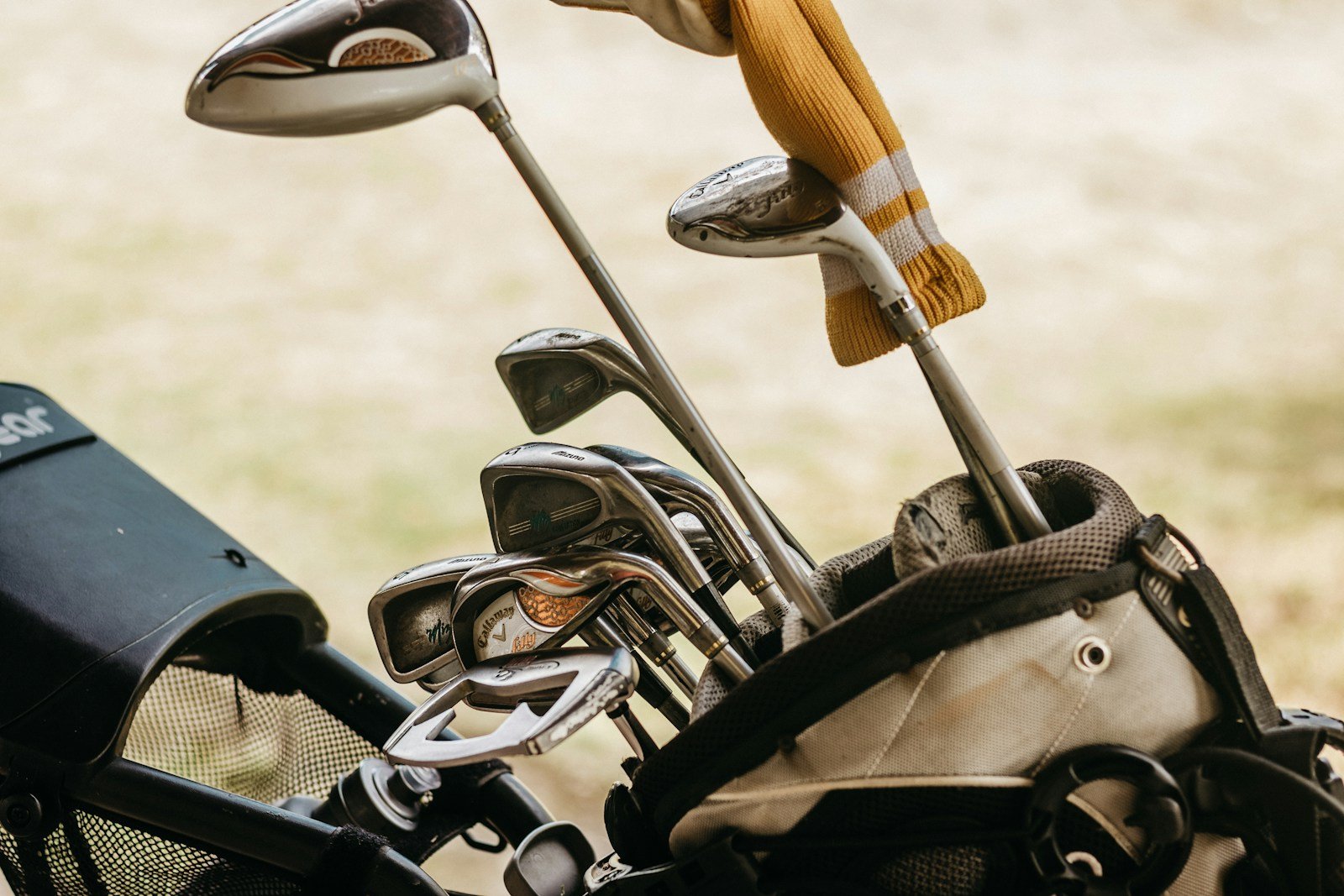
Out of the box, Karma grips feel noticeably softer and tackier than you’d expect at this price point. On the range, students who’ve regripped with Velour or Revolution models consistently tell me they can’t feel much of a gap between those and a mid-tier Golf Pride grip during a normal round. Where the difference shows up is in extreme conditions — heavy heat, humidity, or a soaking wet morning round — where the name-brand cord technology from Golf Pride and Lamkin still has an edge.
That’s a fair tradeoff for most recreational golfers. You’re giving up a small amount of performance at the extremes in exchange for a grip that costs a third to a half of what the premium brands charge.
The Karma Grip Models Worth Knowing
Karma’s catalog is bigger than most golfers realize, and knowing the differences will save you from buying the wrong one.
- Velour – the classic, proven pattern at the best overall value. This is the default choice if you’re not sure where to start.
- Revolution – the same Velour design but in a 360° no-logo pattern, built for clubs with adjustable hosels where alignment markings would get in the way.
- Soft Trac – Karma’s softest rubber compound, paired with a nubbed texture for extra hold without feeling harsh in your hands.
- Neion II – a multi-textured surface available in bright colors, popular with golfers who want their grips to stand out.
- Super Lite – a lighter-weight build for golfers chasing faster swing speeds without changing shaft weight.
- Black Wrap – a one-piece, non-slip wrap grip with a classic, understated look.
- Arthritic – a deeply nubbed surface designed specifically for golfers dealing with arthritis or reduced hand strength, available in oversized and jumbo-plus builds.
- Sparkle – a fashion-forward option for women’s clubs, with glitter molded directly into the grip.
- Big Softy and Dual Touch – Karma’s putter grip lines, ranging from oversized synthetic builds to a midsize hybrid pistol/paddle shape.
If you’ve never tried Karma before, Velour is the safest starting point. It’s the closest thing to a “standard” grip in their lineup and the one most directly comparable to what’s probably already on your clubs.
Karma vs. Golf Pride and Lamkin: How They Actually Compare
If you’ve read our Golf Pride vs Lamkin comparison, you know both of those brands charge a premium built on decades of materials research. Karma isn’t trying to out-engineer either one. It’s trying to get you most of the way there at a fraction of the cost, similar to what we found in our Champkey golf grips review.
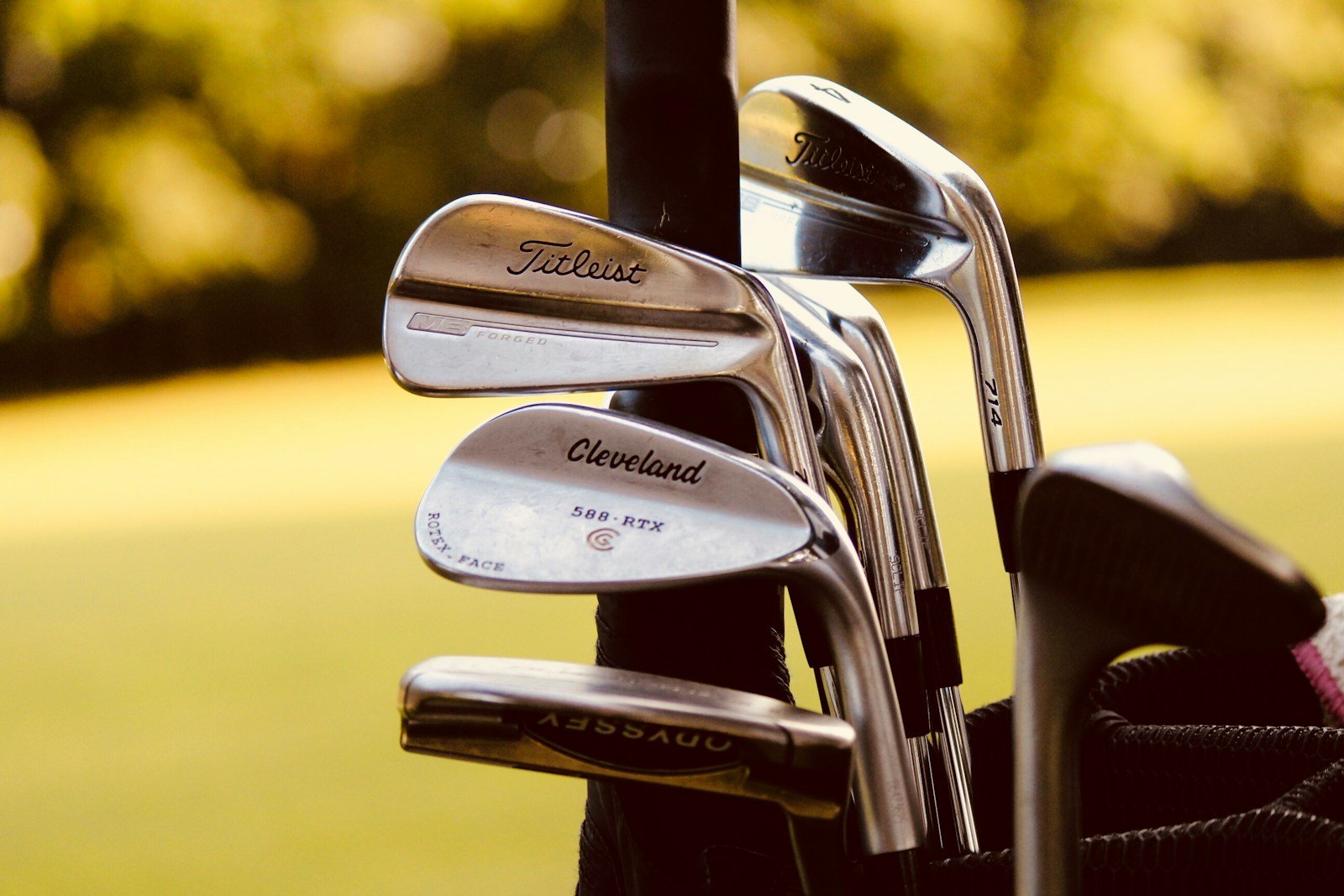
On price, the gap is significant. A single Golf Pride or Lamkin grip typically runs $8-$15 before tape, solvent, or labor. Karma grips, by contrast, are frequently discussed in forums as costing close to $2-$4 apiece, with some bundle deals bringing the per-grip price down even further when you buy a full 13-piece set.
On durability, expect Karma grips to hold up well for a full season or two of regular play, which lines up with general golf grip replacement guidelines regardless of brand. Reviewers who’ve kept Karma grips on their clubs for multiple seasons report they last considerably longer than that if you clean them occasionally and store your clubs out of direct sun and heat.
On traction, this is where the name brands still pull ahead. Golf Pride’s MCC and Z-Grip lines, and Lamkin’s Genesis-based compounds, are specifically engineered to keep performing after your hands get sweaty or the grip gets rained on. Karma grips perform admirably in dry, normal conditions, but multiple longtime users note they lose a bit of tack sooner than premium grips once things get wet.
How Long Do Karma Golf Grips Last?
Depending on how often you play, Karma grips should give you two full seasons or more before you notice real wear. That estimate lines up with how often most golf instructors, myself included, recommend regripping regardless of brand — avid players once a year, casual players every two to three years.
What shortens that timeline is exposure: grips left in a hot trunk all summer degrade faster than grips stored indoors, and dirt and hand oils build up faster if you never wipe them down. A cheap grip wipe or a quick scrub with dish soap and water every few weeks will meaningfully extend the life of any grip, Karma included.
Installing Karma Grips Yourself
Part of the appeal of a budget grip brand is pairing it with a DIY regrip job. Professional regripping at a shop typically runs $110-$155 for a full set of 13 clubs once labor is added to the cost of the grips. Doing it yourself with Karma grips, tape, and solvent can bring that down to well under $50 for the same 13 clubs.
The process is the same regardless of grip brand: strip the old grip, wrap fresh double-sided tape around the shaft, activate the tape and the inside of the new grip with solvent, then slide the grip on quickly before the solvent flashes off. We’ve covered how long grips actually need to dry before you tee off on a freshly regripped set, and it’s worth reading before your first attempt — rushing that step is the most common mistake amateur clubmakers make.
Budget an hour or two for your first full-bag regrip, and measure your current grip size before ordering. If your existing grips have extra tape wraps underneath for a custom fit, replicate that wrap count on the new Karma grips or the diameter will feel noticeably different than what you’re used to.
Who Should (and Shouldn’t) Buy Karma Golf Grips
Karma grips make the most sense for a specific type of golfer. If you’re regripping your own clubs to save money, testing a new size or texture before committing to a pricier name-brand set, or building a practice or backup bag, they’re a genuinely smart buy.
Beginners and juniors are also a strong fit. You’re still figuring out grip pressure and hand size preferences at that stage, and there’s little reason to pay tour pricing for a grip you might swap again within a year or two. If you’re outfitting a full set of grips for big hands or trying a jumbo/oversize profile for the first time, Karma’s lower price point takes some of the risk out of experimenting.
Where I’d steer you toward Golf Pride or Lamkin instead: if you’re a low-handicap or competitive player sensitive to small changes in tack, especially in hot or wet conditions, or chasing every bit of consistency across a full competitive season. The gap between Karma and the name brands is real, even if it’s small for most weekend golfers.
Frequently Asked Questions
Are Karma golf grips any good for regular play?
Yes, for the vast majority of recreational golfers. They deliver solid tack and feel that holds up well in dry, normal conditions, and the price makes it easy to regrip more often if you want a fresh feel every season.
Are Karma grips as good as Golf Pride or Lamkin?
Not quite in extreme heat or wet weather, where the name brands’ cord technology still has an edge. But in normal dry-weather conditions, most golfers won’t notice a meaningful performance gap between Karma and a mid-tier Golf Pride or Lamkin grip.
How much do Karma golf grips cost?
Individual Karma grips are commonly priced in the $2-$4 range, with bundle kits that include tape and solvent bringing the effective cost down further when you buy a full 13-piece set for regripping an entire bag.
How long do Karma grips last?
Expect two seasons or more of regular play before you notice meaningful wear, similar to most mid-tier grips. Cleaning them periodically and keeping your clubs out of extreme heat will extend that further.
Can I install Karma grips myself?
Yes. Karma grips install the same way as any other brand, using standard double-sided tape and grip solvent. A full 13-club regrip typically takes an hour or two for a first-timer and costs a fraction of what a shop charges for labor.
What Karma grip model should a beginner buy?
Start with the Velour line. It’s the closest thing to a standard, all-purpose grip in Karma’s catalog, and it’s the easiest to compare directly against whatever grip is already on your clubs.
Final Thoughts
So, are Karma golf grips any good? Based on the materials, the price-to-performance ratio, and what I’ve felt firsthand on test clubs, the honest answer is yes for the overwhelming majority of golfers. They’re not trying to beat Golf Pride or Lamkin at the extremes, and they don’t need to. They’re built to get budget-conscious golfers most of the way to a premium feel without the premium price tag, and they largely deliver on that promise.
If you’re regripping your own clubs, testing a new size before committing to something pricier, or outfitting a practice bag, buy with confidence. If you’re chasing every last bit of performance in competitive, high-heat, or wet conditions, the small gap in tack and weather resistance is worth paying the name-brand premium to close. For more on picking the right grip for your hands, see our complete guide to golf grip types, or check out Karma’s official site for their full current lineup and sizing options.
Where to Shop
Affiliate links – we may earn a small commission at no extra cost to you, and it never changes what we recommend.
- Karma grips – usually sold in multipacks, which is where the value is.
- Regripping kits – tape, solvent and a vice clamp, which is all you need.
- Grip tape – buy more than you think you need.
- Golf Pride grips – the premium benchmark, if you want to compare directly.