In this Article
What is a breakfast ball in golf? It is a free do-over on the first tee. Here is how it differs from a mulligan, what it does to your handicap, and when to skip it.
You are standing on the first tee, your hands are cold, and your buddy mutters that he is taking a breakfast ball. If you have ever nodded along without knowing what is a breakfast ball in golf, you are in good company. It is a free do-over on your opening tee shot, and it is one of the most common friendly-game traditions in the sport.
I hear the term constantly from students in Chicago, usually right before a Saturday round with friends. The idea is simple, but the rules around it are not official, and that is where people get into trouble. Here is how it works, what it does to your score, and when you should leave it in the bag.
Table of Contents
Table of Contents
What Is a Breakfast Ball in Golf? The Short Answer
A breakfast ball is a mulligan taken on the first tee. You hit your opening drive, you do not like it, and you tee up another one with no penalty stroke. The first ball is simply forgotten. Golf News Net describes it as a euphemism for a mulligan, usually the re-hit of a first-hole tee shot.
The name comes from the idea that you are still warming up, like a golfer who has not finished breakfast. Your body is cold, your timing is off, and the group agrees you deserve a second look. Some players call it taking two off the first.
You will also hear it used for afternoon rounds. The word describes the first-tee do-over, not the time on the clock, so a 3 p.m. tee time can still start with a breakfast ball.

Breakfast Ball vs Mulligan
People use the two words almost interchangeably, but there is a small difference. A mulligan is any free replay of a shot, on any hole. A breakfast ball is the first-tee version of it.
| Term | When you take it | Typical group limit |
|---|---|---|
| Breakfast ball | First tee shot of the round | One, on hole 1 only |
| Mulligan | Any shot on any hole | One or two per round, or one per nine |
| Lunch ball | First tee shot of the back nine | One, on hole 10 only |
Many groups combine them. A common house rule is one breakfast ball on number one plus a single mulligan somewhere else, usually off the tee. Others skip the extras entirely and allow only the breakfast ball.
The key point is that all of these are agreements between the people in your group. Nobody in a rules office wrote them down, which matters a lot for the next section.
Is a Breakfast Ball Allowed Under the Rules of Golf?
No. The Rules of Golf have no provision for a breakfast ball or a mulligan. If you want to replay a shot under the real rules, you have to take stroke and distance, which adds a penalty stroke, and that is only available in specific situations such as a ball that is lost or out of bounds.
That means a breakfast ball has no place in a tournament, a club championship, or any round played for an official result. Even a casual money game with a formal bet should skip it unless everyone has agreed to it in advance.
What a Breakfast Ball Does to Your Handicap
This is the question I get most. Under the World Handicap System, a round that includes a mulligan can still be posted. The Florida State Golf Association explains that the system does not want to throw out a round with seventeen valid holes because of one do-over.
The hole where you took the extra shot is not posted as you played it. Instead, it is replaced with a net par for that hole. That means par plus any handicap strokes you receive there. A player with an 18 Course Handicap gets a stroke on every hole, so a breakfast ball hole would be entered as a bogey.
The practical takeaway is that a breakfast ball will not wreck your handicap record, but it will not help it either. You cannot use it to quietly shave a bad opening drive off your index. If you are not sure how your handicap applies, our guide to low net golf shows how handicap strokes work hole by hole.
How to Set Breakfast Ball Rules on the First Tee
The only real rule is that everyone agrees before the first swing. Arguments about a breakfast ball almost always come from a group that never talked about it. Settle these four points while you are tying your shoes.
- Is it allowed at all? If anyone in the group is playing for a handicap or a bet, say so now.
- How many do you get? One on the first tee is standard. Extras need a clear number.
- Which ball counts? The second ball always counts, even if it is worse. That is the whole point.
- Does it apply to everyone? Offer it to the whole group, not just the player who hit the bad drive.
The second ball always counting is the rule people forget. If you hit a breakfast ball that is even worse, you play it. Picking the better of two drives is a different game, and you should call it by its real name, which is playing two balls.
5 Times to Skip the Breakfast Ball
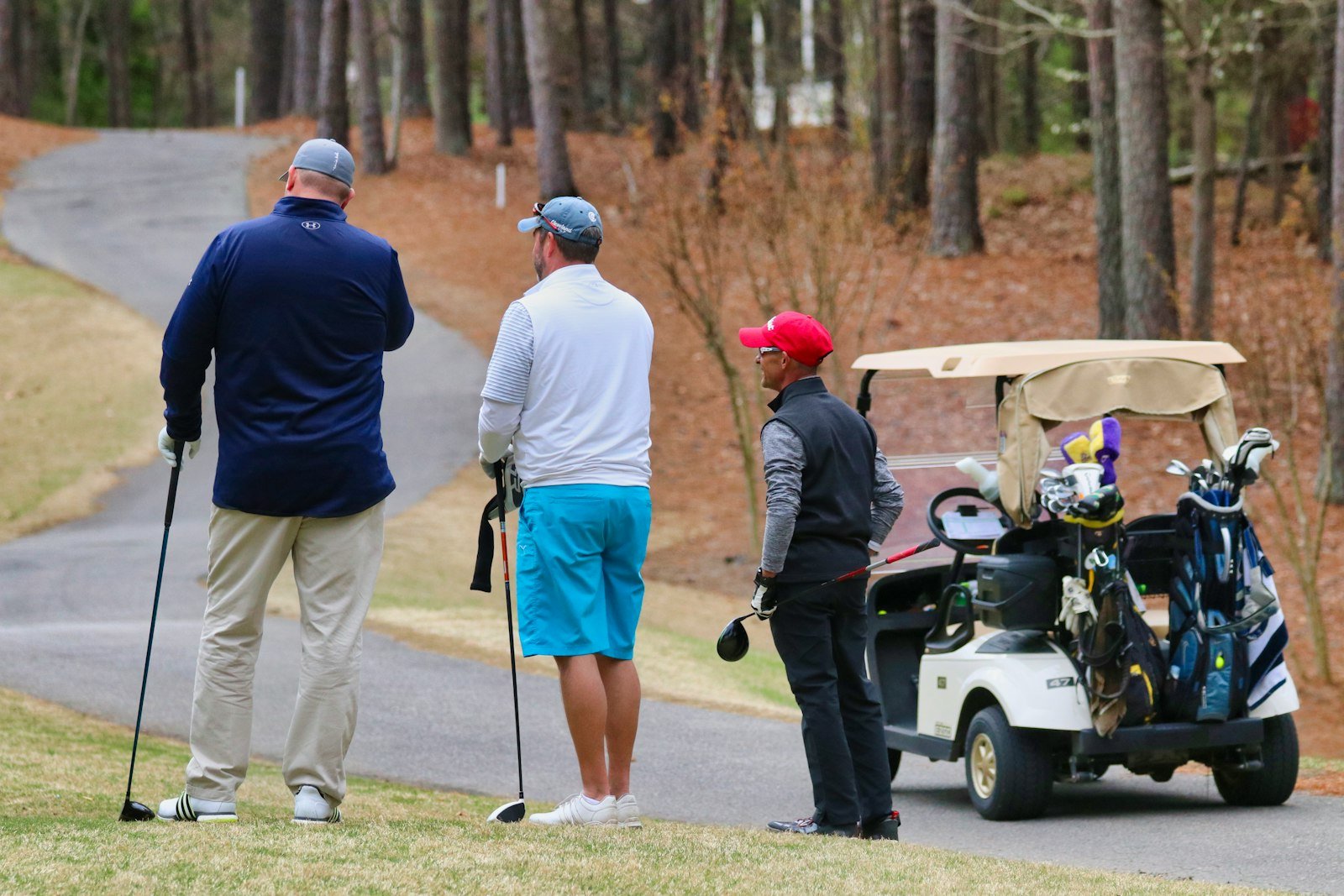
A breakfast ball is harmless fun in the right setting. In the wrong one, it creates bad feelings. Here are the five situations where I tell students to leave it alone.
1. Any tournament or official competition
The Rules of Golf do not allow it, full stop. If the round has a trophy, a flight, or a leaderboard, play your first ball.
2. A money match with no agreement
If there is cash on the line, the breakfast ball is a free advantage for whoever needs it. Unless the whole group has agreed to it, do not assume it is on the table.
3. When you are chasing a personal milestone
Breaking 100 or posting a career-low score should come from honest golf. A score with extra shots built in is not a number you will be proud of a week later.
4. When the course is busy
A breakfast ball adds a shot and a minute or two. On a crowded morning with a group waiting behind you, it can slow down the whole course. If you want a sense of pace, our guide to how long 9 holes of golf takes shows how quickly small delays add up.
5. When you are playing with strangers
Do not ask a stranger on the first tee whether you can take one. Play your first shot as it lies. Once you know the group better, the conversation gets a lot easier.
Breakfast Ball Etiquette
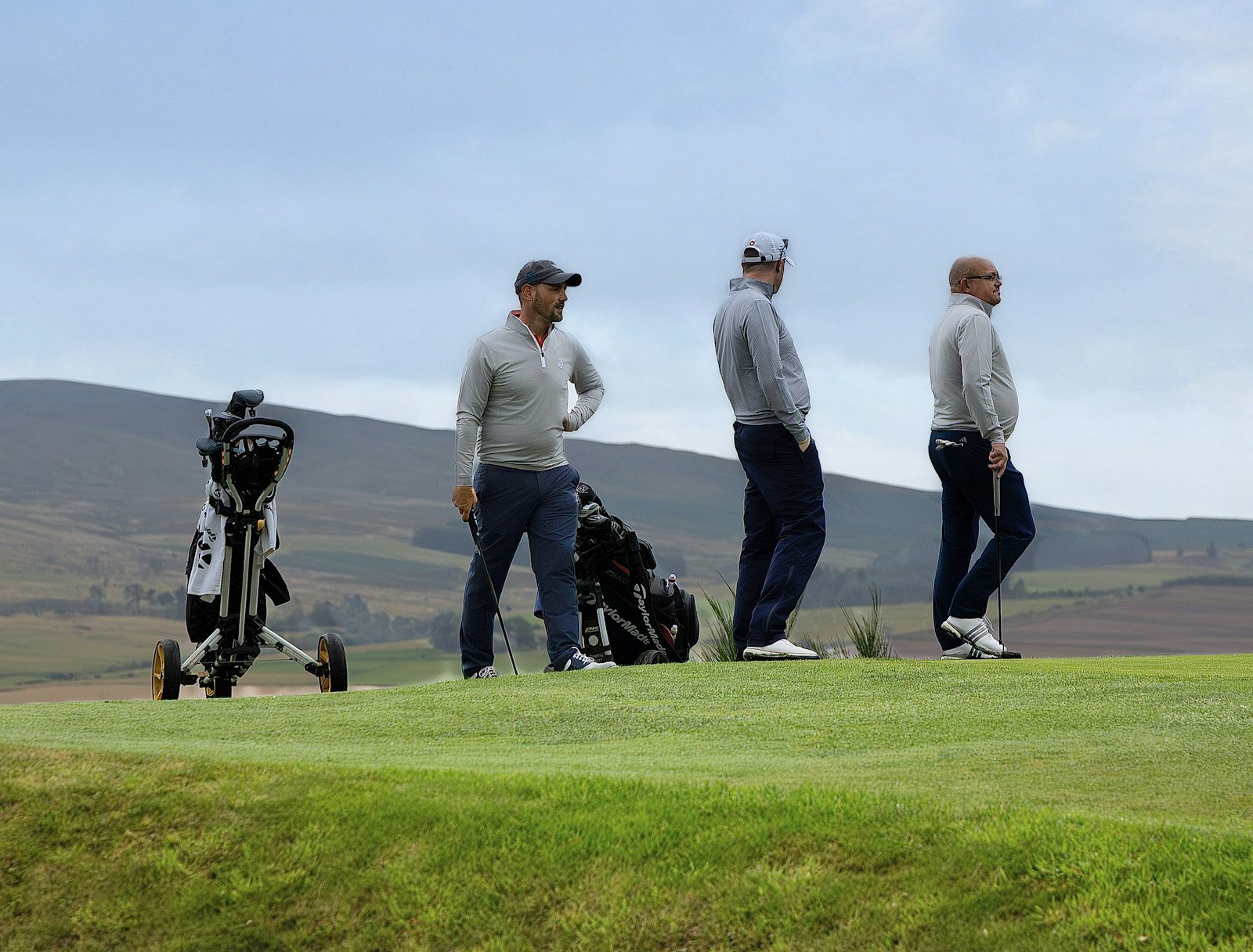
Good manners keep the tradition fun. These are the habits I see from golfers everyone enjoys playing with.
- Ask first. A quick check with your group takes five seconds. Do not just reach for another ball.
- Announce it right away. Say it before you tee up again so nobody is confused about which ball is in play.
- Be ready to decline. If someone offers you a breakfast ball, you are allowed to say no and play your first one.
- Do not hoard extras. Taking a breakfast ball and then three more mulligans is not in the spirit of the game.
- Keep it to the first tee. If you want a do-over on hole six, that is a mulligan, and it needs its own agreement.
One more note on pace. Pick up your first ball quickly and tee up the second right away. A breakfast ball should cost you about a minute, not a debate.
A Better Way to Spend Your First Tee Nerves
Here is the honest teaching point. The reason you want a breakfast ball is that the first swing of the day is usually your worst one. A cold body and a racing mind make for a rushed, short backswing and a pulled or sliced drive.
You can fix most of that in ten minutes before you tee off. Try this simple routine:
- Swing two clubs together slowly for ten swings to loosen your shoulders and hips.
- Hit five easy wedges to find your rhythm.
- Hit five drivers at 70 percent effort before you try to swing hard.
- Take one slow breath on the tee and swing at the same tempo you used on the range.
If you do not have time for a range session, at least take a few slow practice swings and make a full turn. A balanced swing beats a second chance every time. New to the game and still building a routine? Our golf for beginners guide covers the basics that make a first tee shot less scary.
Frequently Asked Questions
What is a breakfast ball in golf?
It is a free second tee shot taken on the first hole with no penalty stroke. The first ball is ignored and the second one counts.
Is a breakfast ball the same as a mulligan?
Almost. A mulligan can be taken anywhere on the course, while a breakfast ball is specifically the first-tee version. Most golfers treat them as the same idea.
Can you take a breakfast ball in a tournament?
No. The Rules of Golf do not allow breakfast balls or mulligans, so they are never allowed in an official competition.
Does a breakfast ball count for your handicap?
You can still post the round. The hole with the do-over is replaced with a net par, which is par plus any strokes you receive on that hole.
What is a lunch ball?
A lunch ball is the same do-over taken on the tenth tee, as you start the back nine. Groups that allow both usually give you one of each.
The Bottom Line
Now you know what is a breakfast ball in golf and how to use one without annoying anybody. It is a friendly first-tee do-over that has no standing in the official rules. Agree on it with your group, play the second ball no matter what, and skip it any time the round counts for something. Better yet, warm up properly and you may never need one.