In this Article
Yes, you can regrip golf clubs with water, but only with the right tape or a compressor. Here are three methods, step-by-step instructions, and cure times.
If you want to regrip golf clubs with water, the short answer is yes, you can, but it only works when you pair the water with the right tape or the right tool. I’ve regripped hundreds of sets over seven years of teaching in Chicago, and the water method is the one golfers ask about most when they don’t want fumes in the garage.
Below you’ll find the three water-based methods that actually hold, a quick comparison, a step-by-step walkthrough, and the mistakes that cause a grip to twist on the first swing.
Table of Contents
Table of Contents
Can You Regrip Golf Clubs With Water?
Yes. Plenty of clubmakers and home regrippers regrip golf clubs with water, and the cleanup is far easier than with mineral spirits. But water isn’t a drop-in replacement for grip solvent.
Standard double-sided grip tape is built to be activated by solvent. Plain water on that tape won’t bond it, so the grip can spin. To make water work, you need one of three setups: tape designed to be water-activated, soapy water plus extra cure time, or water as a lubricant with compressed air doing the heavy lifting.
Check the packaging on your tape before you start. If it says water-activated, you’re set. If it doesn’t, read on, because the method you pick changes everything.
How Water Works in a Regrip
A regrip needs two things to happen. The inside of the grip has to be slippery enough to slide down the shaft, and the tape’s adhesive has to bond once the grip is seated.
Solvent does both jobs at once, then evaporates. Water can handle the lubrication part easily. The bonding part depends on the tape. With water-activated tape, the adhesive wakes up when it gets wet and sets as the water dries. With standard tape, the water is only a lubricant, and you rely on the grip squeezing the shaft or on a slow dry.
That’s why you see conflicting advice online. Both camps are right, they’re just describing different tape. If you want the broader picture of liquids that work, our guide to golf grip solvent alternatives ranks seven of them.
Method 1: Water-Activated Grip Tape
This is the cleanest way to regrip golf clubs with water. The tape is sold specifically for this job, and the only liquid you need is water, sometimes with a drop of dish soap to help the grip slide.
You wrap the tape on the shaft, wet it and the inside of the grip, slide the grip on, and align it. The adhesive sets as the water dries, so there are no fumes, no flammable liquid, and no solvent smell on your hands.
The trade-off is availability and cure time. Water-activated tape is harder to find than standard tape, and water dries slower than solvent, so plan on leaving the clubs overnight before you swing them.
Method 2: Soapy Water With Standard Tape
If you only have regular double-sided tape and no solvent, water mixed with a little dish soap can lubricate the grip well enough to get it on. Some UK clubmaking guides list water and dish soap as a workable solvent substitute, with one big warning: drying takes much longer.
I treat this as an emergency method. The soap leaves a film that slows the bond, and moisture can sit under the grip for days if you rush it. Use only a few drops of soap in a cup of water, keep the mixture off the open end of the shaft, and let the club sit upright and undisturbed for at least 24 hours.
Before you commit, twist-test the grip. If it moves at all on the shaft, the bond isn’t ready. If you’d rather use something faster, our post on whether you can use rubbing alcohol to regrip golf clubs walks through a quicker-curing option.
Method 3: Water and Compressed Air
This is the method club shops love. You wet the inside of the grip and the taped shaft with water, start the grip on the shaft, then use a blower nozzle on an air compressor to inflate the grip so it slides the rest of the way on.
Caddie HQ’s walkthrough of this approach uses standard double-sided tape, with water purely as a lubricant, and reports the grip is ready within minutes. A full set of 14 clubs can be done in under an hour, compared with up to 24 hours of waiting on a solvent job.
The catch is equipment. You need an air compressor (a small pancake model is enough) and a tapered blower nozzle. You also get only about 15 to 30 seconds to align the grip before it sets, so practice on an old club first. Tight full-cord grips are often easier with solvent, which gives more working time.
Quick Comparison of the Three Methods
| Method | Tape needed | Cure time | Best for |
|---|---|---|---|
| Water-activated tape | Water-activated | Overnight | Fume-free home regrips |
| Soapy water | Standard double-sided | 24 hours or more | Emergencies only |
| Water and compressed air | Standard double-sided | Minutes | Anyone with a compressor |
Step-by-Step: Regrip Golf Clubs With Water
The process is the same for all three methods except for how the grip gets onto the shaft. You’ll need a vise with rubber clamps, a hook blade, fresh tape, a small bowl of water, and a rag.
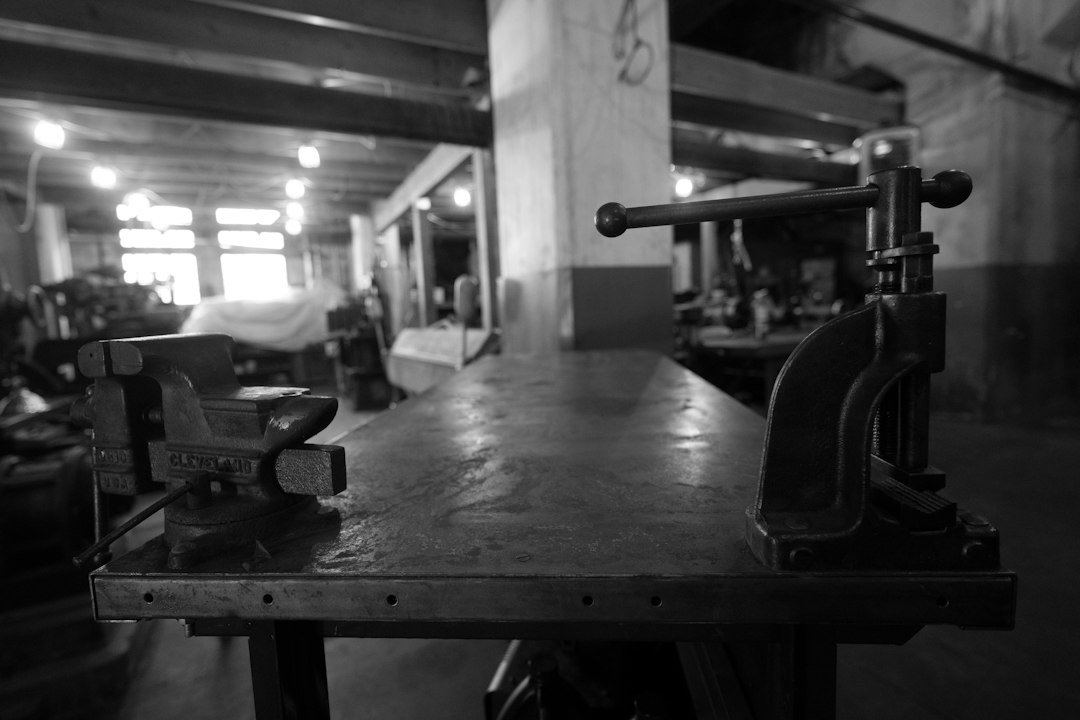
- Remove the old grip. Clamp the shaft in the vise and slit the old grip with a hook blade, cutting away from your body. Our guide to removing golf grips without cutting covers the options if you want to save a putter grip.
- Strip every scrap of old tape. Never layer new tape over old, because it changes your grip size and leaves lumps.
- Dry the shaft completely. Wipe it clean and let it dry for a few minutes.
- Apply the new tape. Run it lengthwise down the shaft, leave about a half inch hanging over the butt end, then twist the overhang and tuck it inside the shaft to seal out water.
- Wet the grip and the tape. Pour a little water inside the grip, cover the opening with a finger and swirl it, then dribble water over the taped shaft.
- Seat the grip. Slide it on in one smooth motion, or use short bursts of compressed air through the vent hole if you’re using the air method.
- Align it fast. Line up the logo or alignment marks square to the clubface within the first 15 to 30 seconds, then wipe off any water.
- Let it cure. Stand the club upright or lay it flat and leave it alone for the full cure time before you swing.
Once the grips are on, check your hold with our guide to the proper golf grip in 5 steps, because fresh grips are the perfect time to fix a bad habit.
5 Mistakes That Ruin a Water Regrip
Most failures come from the same few errors. Avoid these and your grips will stay put all season.
- Using plain water on solvent-activated tape. The adhesive never wakes up and the grip spins. Match the liquid to the tape.
- Letting water into the shaft. Water pooling inside a steel shaft can cause rust. Tuck the tape overhang in to seal the opening and wipe the butt end dry.
- Rushing the cure. Water evaporates more slowly than solvent. A grip that twists on the first swing usually wasn’t dry.
- Using too much soap. A few drops is plenty. Extra soap leaves a slick film that weakens the bond.
- Skipping the twist test. Grab the grip and try to rotate it. If it moves, give it more time.
For more installation detail, Golf Pride’s guide to grip tape build-up is worth a read before you wrap your first shaft.
How Long Does a Water Regrip Last?
A grip installed with water-activated tape or the compressed-air method lasts about as long as one installed with solvent, provided the bond sets fully. The tape and the rubber wear out long before the water method itself becomes a problem.
As a rule of thumb, replace grips when they feel hard, shiny, or cracked, which for most golfers is every 40 rounds or once a year. If you play twice a week through the season, expect to regrip sooner. Heavy sweat, sunscreen, and a hot trunk all shorten grip life.
The best way to protect your work is to leave the clubs alone while they cure. Don’t sit them in a bag, don’t load them in a hot car, and don’t take a practice swing “just to feel it.” A few extra hours is cheap insurance against redoing a whole set.
Also keep a simple log. Write the date you regripped on a piece of masking tape inside your bag, so you know when the set is due again. That small habit saves guesswork and keeps every club feeling the same in your hands.
When Water Is the Wrong Choice
Water isn’t always the smartest pick. If you’re regripping the night before a tournament, a slow-drying method is a gamble. Mineral spirits or 91% alcohol cure far faster, and our guide on whether you can use WD-40 to regrip golf clubs explains why oily products are the one thing to avoid.
Tight full-cord grips are another case. They fight you on the shaft, and the extra working time you get from solvent is worth having. If your grips were only slick rather than worn out, try our fixes to make golf grips tacky again before you spend an afternoon regripping.
Frequently Asked Questions
Can you regrip golf clubs with just water?
Only with water-activated tape, or when water is used as a lubricant alongside compressed air. Plain water on standard solvent-activated tape won’t bond the grip.
Can I use soapy water instead of grip solvent?
Yes, in a pinch. Water with a few drops of dish soap lubricates the grip, but it dries much slower than solvent, so leave the clubs for at least 24 hours.
How long does it take for grips to dry after using water?
Overnight is the safe minimum for water-activated tape, and 24 hours or more for soapy water on standard tape. With the compressed-air method, the grip is usable within minutes.
Will water rust my steel shafts?
It can if water pools inside the shaft. Tuck the tape overhang into the butt end to seal it, wipe off excess water, and dry the shaft before taping.
Can I reuse grip tape if I use water?
No. Old tape loses its bond and adds lumps. Our post on whether golf grip tape can be reused explains why fresh tape is worth the few dollars.
Bottom Line
You can regrip golf clubs with water, but match the method to your tape: water-activated tape for a fume-free job, soapy water only in an emergency, and a compressor if you want grips ready in minutes.
Whichever route you pick, the rule is the same. Give the grip enough hours to dry, and twist-test it before you trust it on the course.