In this Article
Can you use WD40 to regrip golf clubs? It slides the grip on, but the oily residue weakens the tape bond. Here is what to use instead, and how to regrip safely.
You are standing in the garage with a fresh set of grips, a roll of tape, and no solvent. The can of WD-40 on the shelf looks tempting, so the question is fair: can you use WD40 to regrip golf clubs? I have regripped hundreds of sets in seven years of teaching, and my honest answer is that you can, but you should not.
Below you will find exactly why oil-based sprays fall short, what they do to your tape and rubber, the safe substitutes that work, and a step-by-step method that gets your clubs ready to play.
Table of Contents
Table of Contents
Can You Use WD40 to Regrip Golf Clubs? The Short Answer
Technically, yes. WD-40 is slippery, so a grip will slide onto a shaft with it. If your only goal is to get the grip over the end of the club, it will do that.
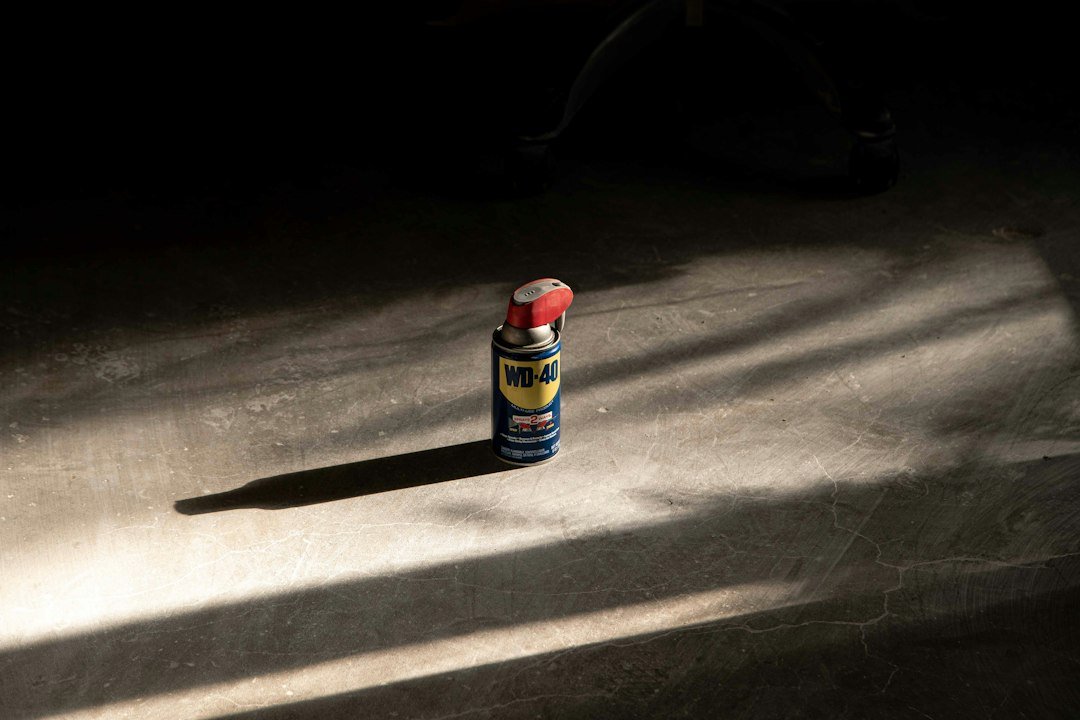
The problem is everything that happens after the grip is on. WD-40 is a petroleum-based lubricant, and a regrip needs the opposite of a lubricant once the job is finished. You need the liquid to disappear so the tape can bond the rubber to the shaft.
That is why, whenever a student asks me can you use WD40 to regrip golf clubs, I give the same answer. WD-40 gets the grip on easily and then quietly works against you for the next few months.
Why WD-40 Fails as a Grip Solvent
Real grip solvent does two jobs. It lubricates the inside of the grip for a minute or two, and it activates the adhesive on double-sided grip tape. Then it evaporates and the tape locks everything in place.
WD-40 only does the first job. It leaves a thin oily film behind instead of evaporating cleanly, and that film sits between the tape and the shaft or the tape and the rubber.
The residue problem
Oil and adhesive do not get along. When the film stays on the tape, the bond is weaker than it should be, so the grip may feel fine in the garage and then start to twist after a few range sessions.
A grip that rotates even a few degrees ruins your hand position, and it usually shows up at the worst time, like a hard hit from the rough.
What the forums say
You will find golfers online who say they have used WD-40 on thousands of clubs without a problem. One long-time clubmaker on a popular forum says he sprays it on the tape and inside the grip and calls it good to go.
So can you use WD40 to regrip golf clubs and get away with it? I do not doubt that it works for some people in some conditions. But the same thread has another member asking whether a lubricant is even the right choice, and that skepticism is the better instinct. Treat the success stories as luck, not as a method.
There is also a practical angle. Even if one regrip holds, you cannot predict which one will not. Grip tape costs pennies and a proper solvent costs a few dollars, so the risk is simply not worth the savings when the whole set is on the line.
What Happens to the Tape and the Rubber
Here is what I have seen and what equipment guides describe when oily products are used in a regrip.
- Weak tape bond. Residual oil keeps the adhesive from gripping both surfaces, so the grip can slip or twist over time.
- Longer, unpredictable cure. Solvent-based liquids evaporate in minutes to hours. An oil-based spray may never fully leave, so you never know when the grip is truly set.
- Possible rubber damage. Petroleum products can make some grip compounds feel soft, sticky, or brittle with repeated exposure, which shortens the life of a set you just paid for.
- A slick feel in your hands. Oil that migrates to the surface of the grip makes it slippery, and slippery grips make you squeeze harder, which adds tension to your swing.
If you want to understand how the tape itself behaves, our guide on whether golf grip tape can be reused explains why a clean adhesive surface matters so much.
Where WD-40 Does Belong in Your Garage
I am not telling you to throw the can away. WD-40 is great at what it was built for, just not at installing grips.
WD-40 Company itself talks about golf in terms of cleaning clubheads and treating rust on steel shafts, not about installing grips. You can read their suggestions in their golf article, and it makes no mention of using it as grip solvent.
There is one regripping use I am comfortable with. If an old strip of tape is fighting you, a little spray can help loosen the stubborn residue on a bare shaft. The catch is that you must then clean every trace of oil off the shaft with rubbing alcohol before the new tape goes on.
When Grips Actually Need Replacing
Many golfers reach for a solvent, or a spray, because their grips feel slick, when the real issue is that the rubber has worn out. Before you start any regrip, make sure it is actually time.
As a rule of thumb, most golfers who play regularly regrip about once a year, or every 40 to 50 rounds. If you play less than that, let wear decide instead of the calendar.
- Shiny or smooth patches where your hands sit, which means the texture has worn away.
- Hard, glassy rubber that no longer flexes when you squeeze it.
- Cracks, cuts, or flat spots along the underside of the grip.
- Squeezing harder than you used to just to keep the club from slipping.
A quick wash with warm water and a little dish soap can bring a dirty grip back to life. If it still feels slick after that, it is time to regrip, and now you know which liquids to use and which to leave in the garage.
Better Options You Probably Already Own
If you have no grip solvent and wonder can you use WD40 to regrip golf clubs in a pinch, you still do not need to reach for oil. Several liquids evaporate cleanly and work with standard double-sided tape. I ranked all of them in our full guide to golf grip solvent alternatives, but here is the quick version.
| Liquid | Evaporates cleanly? | My verdict |
|---|---|---|
| Purpose-made grip solvent | Yes | Best choice, cheap and consistent |
| Mineral spirits | Yes | Best household substitute, ventilate well |
| Rubbing alcohol (91%) | Yes, fast | Good low-odor backup, work quickly |
| Water | Yes | Only with water-activated tape |
| WD-40 | No, leaves oily film | Skip it for installing grips |
A bottle of real solvent costs less than a sleeve of balls and covers several sets. If you regrip even once a year, keep one on the shelf so the question never comes up again.
How to Regrip the Right Way
The method below works with any approved liquid. Grab a rubber-jawed vise, a hook blade, fresh double-sided tape, and a small tray for the liquid.
- Cut off the old grip with the hook blade, slicing away from your body, then peel off every scrap of old tape.
- Clean the shaft with rubbing alcohol on a rag and let it dry. This also removes any oil left from an earlier WD-40 job.
- Wrap fresh tape lengthwise, leaving about half an inch extending past the butt end, and fold that extra into the shaft opening.
- Pour solvent into the grip, cover the open end with a finger, and shake it so the inside is coated.
- Soak the tape completely with the same liquid so the adhesive activates along the whole strip.
- Slide the grip on in one smooth motion and line up the logo or alignment mark before the liquid starts to set.
- Lay the club flat to cure. Standard solvent needs 20 to 30 minutes, mineral spirits a few hours, and alcohol or other substitutes are safest overnight.
Before you play, grab each grip and try to twist it on the shaft. If it moves at all, it is not ready. Once it feels solid, check your hold against our walkthrough of the proper golf grip in five steps, because a fresh grip is the perfect time to fix a sloppy hand position.
If your old grips only felt slick because they were damp or dirty, you may not need new ones at all. Try the steps in our guide to drying golf grips fast first.
If You Already Used WD-40
Maybe you asked can you use WD40 to regrip golf clubs only after the grips were already on. Do not panic, but do not trust them yet either.
- Test for twist. Clamp the club, grip the rubber, and try to rotate it. Any movement means a redo.
- Check again after a week. Weak bonds often show up only after several swings, so keep an eye on the logo alignment.
- Redo it properly if anything shifts. Cut the grip off, clean the shaft with alcohol, and start over with new tape and a real solvent.
If the grips are holding firm after a couple of weeks, you may have gotten away with it. I would still plan to replace them at the next regrip rather than hoping the bond lasts.
For a deeper look at installation basics, Golf Pride’s guide to grip tape build-up is worth a read.
Frequently Asked Questions
Can you use WD40 to regrip golf clubs?
You can slide a grip on with it, but I do not recommend it. The oily residue weakens the tape bond and can let the grip twist or feel slick later.
What happens if you use WD-40 instead of grip solvent?
The grip goes on easily, but the oil may never fully evaporate. That can leave a weak bond, an unpredictable cure time, and in some cases a softer, stickier rubber over time.
What can I use if I do not have grip solvent?
Mineral spirits are the best household substitute, followed by 91% rubbing alcohol. Water works only with water-activated tape.
Is WD-40 safe on golf shafts?
WD-40 is commonly used to fight rust on steel shafts, but you should wipe the excess off and keep it away from the area under a new grip. Never leave oil on a shaft you plan to tape.
How long should new grips dry before playing?
With purpose-made solvent, about 20 to 30 minutes. With mineral spirits, plan on a few hours, and with alcohol, overnight is the safe choice.
Bottom Line
So, can you use WD40 to regrip golf clubs? You can, but the oily film it leaves behind is exactly what you do not want under a grip. Use mineral spirits, 91% rubbing alcohol, or a real grip solvent instead, and give them time to cure.
Keep the WD-40 for rusty shafts and squeaky hinges, spend a few dollars on the right liquid, and your new grips will stay put all season.