In this Article
Most golfers need new grips about once a year or every 30 to 40 rounds. Here is the schedule by player type, a 7-point wear checklist, and how to make grips last.
If you have ever stood over a ball wondering how often should you regrip golf clubs, here is the short version: most golfers need fresh grips about once a year, or every 30 to 40 rounds, whichever comes first. Heavy players need them sooner, and a few simple checks tell you when.
I have taught for seven years in Chicago, and worn grips are the cheapest equipment problem I see every week. Below you will find the rounds rule, a schedule by player type, a seven-point wear checklist, and the care habits that stretch the life of a set.
Table of Contents
Table of Contents
How Often Should You Regrip Golf Clubs? The Short Answer
For the average golfer, once a year is the standard answer. National Club Golfer lands in the same place, and it notes that Golf Pride suggests going more often if you play more than 40 rounds a year or hit the range several times a week.
Think of it like tires. Grips are the only contact point between you and the club, so when they wear out, everything upstream gets worse. You squeeze harder, your forearms tense, and your swing gets tight.
The calendar is a fine starting point, but your grips are the real judge. Use the year as a reminder to inspect them, not as a rule that overrides what you see and feel in your hands.
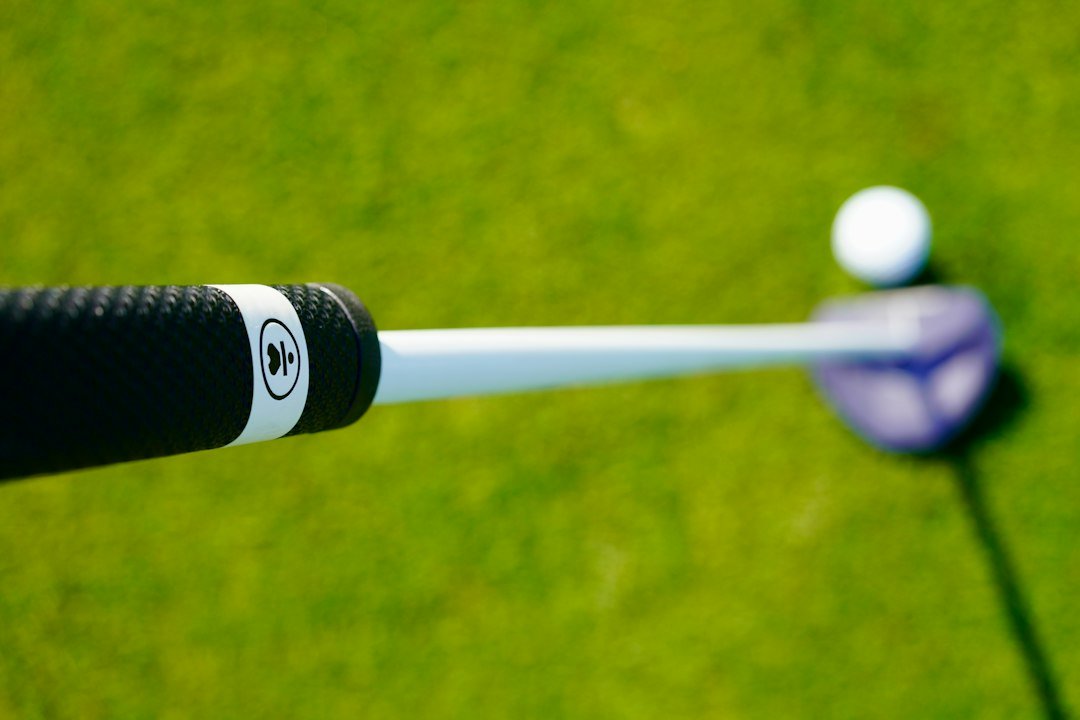
The Rounds Rule: 30 to 40 Rounds
Years are a loose measure. Rounds are better, because a golfer who plays twice a week wears grips far faster than someone who plays twice a month.
A common benchmark is every 30 to 40 rounds, or roughly 12 to 18 months for casual players. Golf Today adds that one practice session can wear grips as much as a full round, so count your range sessions too.
Here is the quick math I give students. Add your rounds to your range sessions, and when the total gets near 40, it is time to look hard at every grip in the bag.
Regrip Schedule by Player Type
Not every golfer needs the same timeline. This table pulls the common guidance together so you can find your row.
| Player type | Typical play | Regrip about every |
|---|---|---|
| Occasional golfer | Under 20 rounds a year | 18 to 24 months, or when worn |
| Average golfer | 20 to 40 rounds a year | 12 months |
| Frequent golfer | 40+ rounds, or range several times a week | 3 to 6 months |
| Tour pro | Daily play and practice | 6 to 8 weeks |
The tour pro row is real, not exaggeration. Several golf publications report that professionals change grips every six weeks to two months, because even a small loss of tack changes how they hold the club.
You do not need to copy a pro. But if you are in the frequent row and still using grips from two seasons ago, that is almost certainly costing you.
The Wear Checklist: 7 Signs Your Grips Are Done
Knowing how often you should regrip golf clubs on paper is one thing. Your hands will tell you the rest. Check your grips against this list every few weeks.
- A shiny, glazed surface. New rubber looks matte. If you can see a sheen where your hands sit, the texture is gone.
- A slick or hard feel. A grip that has lost its softness feels firm and slippery, even when it is dry.
- Visible thumb and finger marks. Smooth, flattened patches show exactly where you hold the club.
- Cracks or crumbling. Cracked rubber or fraying cord means the material is breaking down.
- Fading or chipped paint. Worn logos and faded color are a sign of age, not just looks.
- Slipping in humid or wet weather. A good grip stays secure in light rain. Yours should not twist in damp hands.
- A death grip. If you catch yourself squeezing harder than you used to, your grips probably stopped doing their job.
If you tick two or more of these, do not wait for the one-year mark. Replace them now.
Do not forget the putter. Putter grips often get overlooked, and a slick one is hard to feel in a pressure moment.
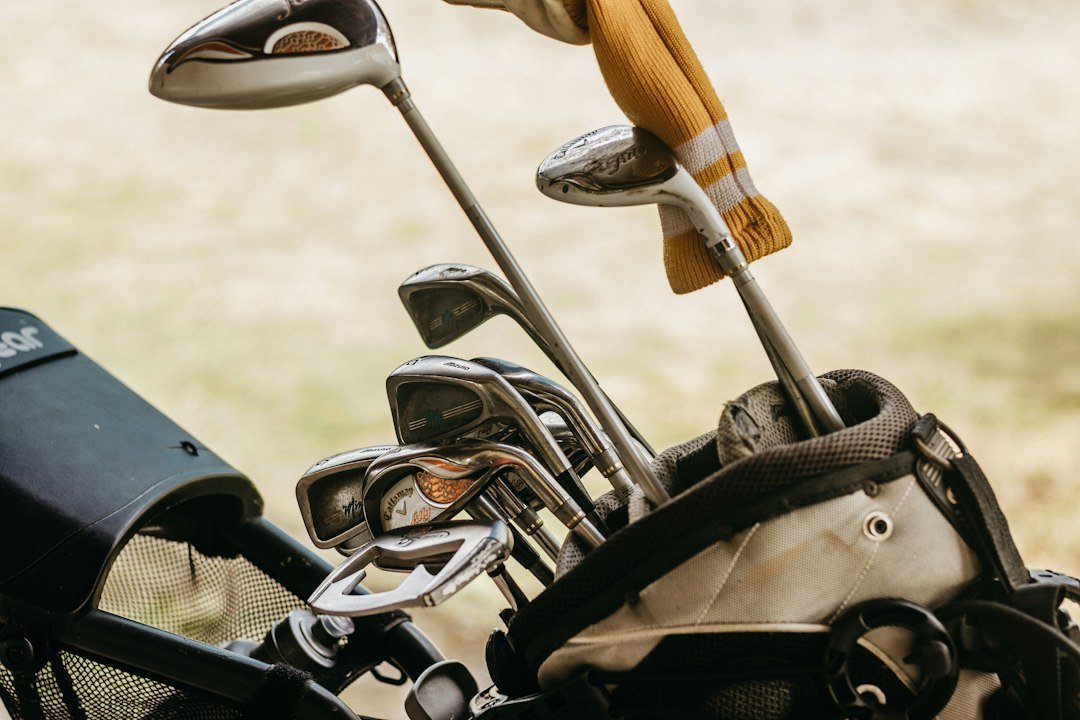
What Worn Grips Cost You on the Course
Golf.com quotes a Golf Pride study finding that worn, two-year-old grips can cost golfers three to four shots a round on average. I would treat that as a rough figure rather than a promise, but the direction matches what I see.
When the grip is slick, you grip tighter. Tight forearms slow your release, and a slow release shows up as blocks, pulls, and shots that start online but finish somewhere else.
The fix costs less than a sleeve of premium balls per club. If you have been chasing a swing change and your grips are two seasons old, replace the grips first.
When to Regrip Early
Some situations should move your date up, no matter what the calendar says. The first is a big practice push. If you are heading into a tournament or a golf trip, put fresh grips on two weeks before so you can hit a few range sessions with them.
The second is a change in how your hands feel. Sweaty hands, a new glove, or a switch to a different grip size can all make an old grip feel wrong. If you are also working on your hold, our guide to the proper golf grip is a good place to reset.
The third is a new set of clubs. Used clubs often come with grips of unknown age, and I regrip almost every secondhand set I buy before the first round. It costs little and removes a variable.
3 Mistakes That Shorten Grip Life
Most early wear comes from habits, not bad luck. These are the three I see most.
Squeezing too hard. A tight hold grinds the rubber and tires your forearms. Aim for light pressure, about a 4 out of 10, and let the club do the work.
Leaving the bag in the car. Summer trunk heat bakes rubber, and winter cold makes it stiff. Bring the bag inside between rounds when you can.
Cleaning with the wrong stuff. Solvents, sprays, and rough scrubbing strip the tacky surface. Warm water, mild soap, and a soft brush are all you need.
Does Climate Change the Schedule?
Yes. Heat, humidity, and cold all speed up wear. In humid or wet conditions, grips absorb moisture and break down faster, while in very dry climates they can last longer but turn hard and brittle.
Here in Chicago, we play through hot summers and cold shoulder seasons, and I see grips harden quickly when clubs ride around in a hot trunk. Keep your bag out of a parked car in summer and out of a freezing garage if you can.
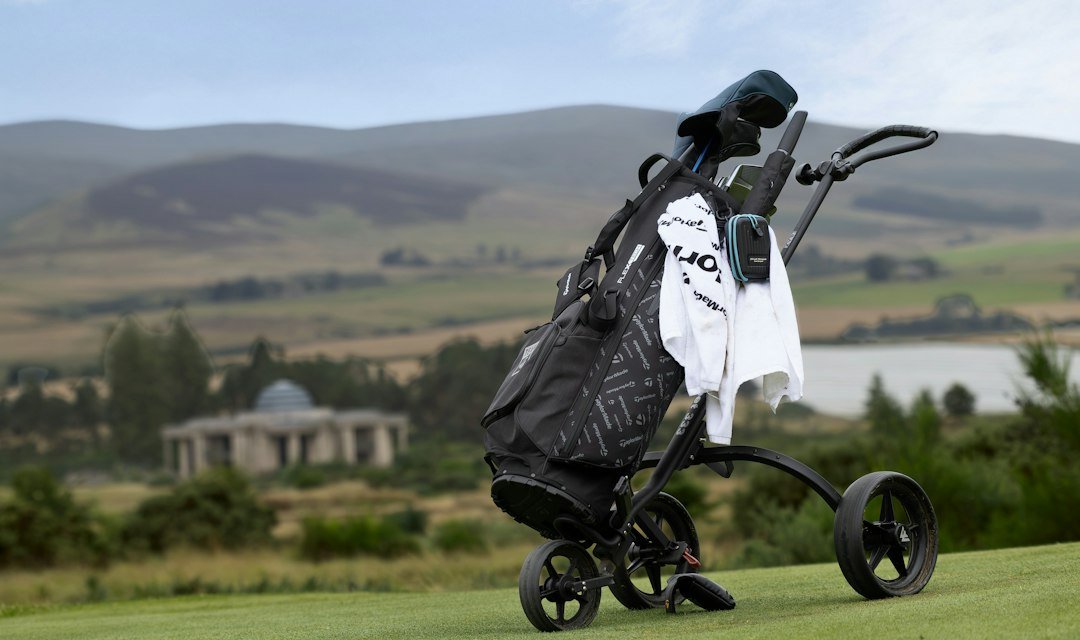
How to Make Your Grips Last Longer
Care will not make grips last forever, but it does stretch the schedule. These habits take two minutes.
- Wipe the grips with a damp microfiber cloth every few rounds to remove sweat, sunscreen, and dirt.
- Clean them monthly with warm soapy water and a soft-bristle brush, then pat them dry rather than rubbing.
- Avoid harsh chemicals on the rubber. If a grip has gone slick, our guide on how to make golf grips tacky again shows what helps and what to skip.
- Dry wet grips properly after a rainy round. Our post on how to dry golf grips fast covers the safe way.
- Use a headcover or towel so grips are not baking in direct sun all day.
Cleaning restores some tack, but it only buys time. Once the rubber is hard or cracked, a wash will not bring it back.
Regripping Cost: Shop vs DIY
Golf.com puts grips at about $5 to $9 each, with professional installation around $2 to $3 per grip. For a 13-club set, that works out to roughly $90 to $155 at a shop, depending on the grip you choose.
Doing it yourself saves the labor. You need a hook blade, double-sided tape, a vise with rubber clamps, and a solvent or alternative. Start with our ranking of golf grip solvent alternatives, and see how to remove golf grips without cutting them if you want to save the old ones.
If you are new to grip styles, size matters too. Our guide to the types of golf grips helps you pick the right style before you buy a full set.
Frequently Asked Questions
How often should you regrip golf clubs if you play once a week?
Playing once a week is roughly 40 to 50 rounds a year, so plan on fresh grips about every 9 to 12 months. Add range sessions to that total, and lean toward the shorter end.
Do golf grips wear out if you do not use them?
Yes, slowly. Heat, sunlight, and age harden rubber even when clubs sit in a closet, so a set that has been stored for years may still need new grips.
Should you regrip all your clubs at once?
Usually yes. Matching grips give you the same feel and diameter in every club, and mixing old and new makes the set feel inconsistent. The exception is a single worn club, which you can replace on its own.
Can you tell if grips are worn just by looking?
Often, but feel matters more. Look for shine, flat spots, and cracks, then hold the club. If the grip feels slick or hard, trust your hands over your eyes.
How often should you regrip your putter?
Putters see fewer hard swings, so they can last longer, often 18 to 24 months. Replace it sooner if it feels slick or shows shiny, flattened spots where your hands sit.
Is it worth regripping old clubs?
For clubs you still play, absolutely. New grips cost far less than new clubs and give a bigger boost in feel than most beginners expect.
Bottom Line
So, how often should you regrip golf clubs? Once a year for most golfers, every 30 to 40 rounds if you want a tighter rule, and every few months if you play and practice a lot. Let the wear checklist overrule the calendar whenever the two disagree.
Pick a date this week, check every grip including the putter, and replace anything glazed, hard, or cracked. It is the cheapest upgrade in golf, and you will feel it on the first swing.