In this Article
Gas golf cart backfiring has a handful of common causes, and the timing of the pop tells you where to look. Here are seven causes, a diagnostic order, and what each fix involves.
Gas golf cart backfiring is loud, embarrassing, and almost always fixable without a trip to the shop. The bang is just unburned fuel igniting somewhere it should not, and where and when it happens tells you a lot about the cause.
I am Andrew James, and after seven years around golf courses and the carts that serve them, I have heard every pop and crack a gas cart can make. This guide splits the problem into the two patterns that matter, backfiring when you let off the pedal and backfiring when you ask for power, then walks through seven causes in the order I would check them.
Table of Contents

Two Patterns: Decel vs Under Load
Before you touch a wrench, notice when the cart pops. Most gas golf cart backfiring falls into one of two buckets, and they point at different parts of the engine.
A pop out of the muffler when you lift off the pedal or coast downhill is a deceleration backfire. A bang or cough when you press the pedal, sometimes with a flat spot or loss of power, is an under-load backfire.
| When it pops | What it usually means | Check first |
|---|---|---|
| Lifting off the pedal or coasting | Unburned fuel reaching a hot exhaust | Throttle linkage, rich mixture, muffler and exhaust leaks |
| Pressing the pedal or climbing | Lean mixture, weak spark, or valve and timing trouble | Spark plug, air filter, carburetor, intake leaks |
| Only after the cart warms up | Carbon glowing hot or heat-related fuel problems | Carbon buildup, muffler, cooling |
7 Causes of Gas Golf Cart Backfiring
These are listed roughly from cheapest and easiest to hardest. Do not skip ahead to the carburetor rebuild until you have ruled out the simple stuff.
1. A Dirty Air Filter
A clogged filter starves the engine of air, which makes the mixture run rich and leaves fuel unburned. That fuel then ignites in the exhaust.
Pull the filter and look at it. If it is packed with dust or oily, replace it. A foam element can sometimes be cleaned, but follow your owner’s manual for the right method.
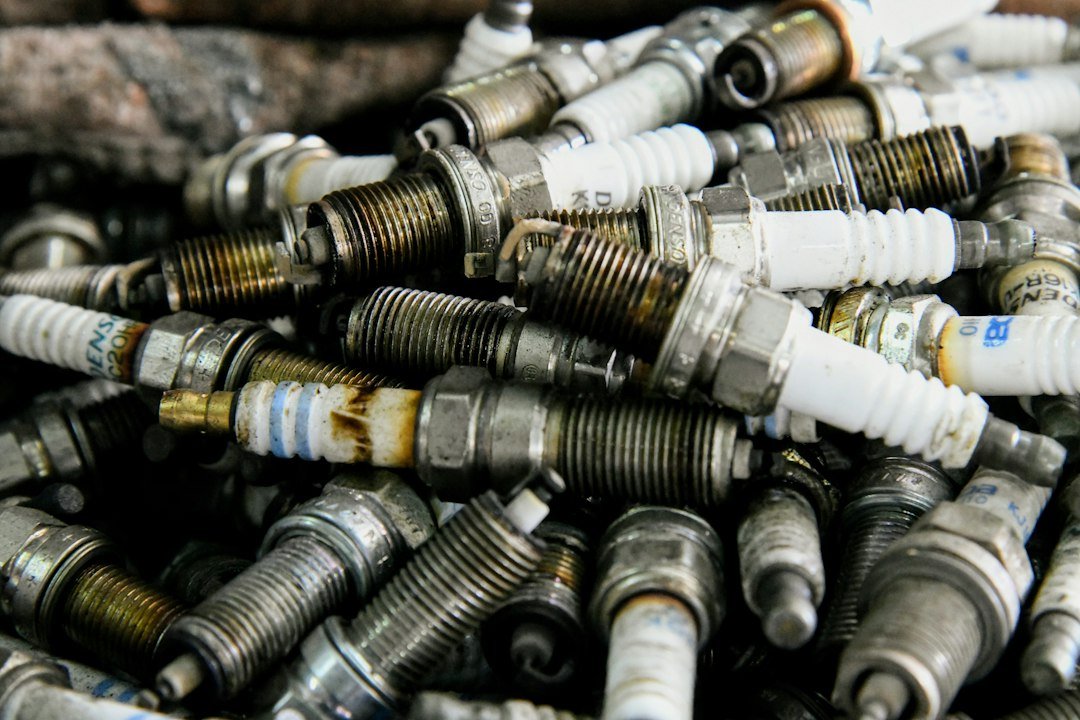
2. Worn or Fouled Spark Plugs
A weak or fouled plug fails to ignite all the fuel in the cylinder, and the leftover mixture burns later in the exhaust. This is a classic cause of gas golf cart backfiring under load.
Pull the plug and read it. Black and sooty means rich, wet means fuel or flooding, and a worn electrode means it is simply tired. Replace it with the type your manual specifies and set the gap to the factory number, not a guess.
3. Throttle Linkage and Microswitch Timing
On many carts a microswitch has to click before the throttle plate starts to open. If the throttle opens first, or the plate does not close fully when you lift off, you get a pop on deceleration.
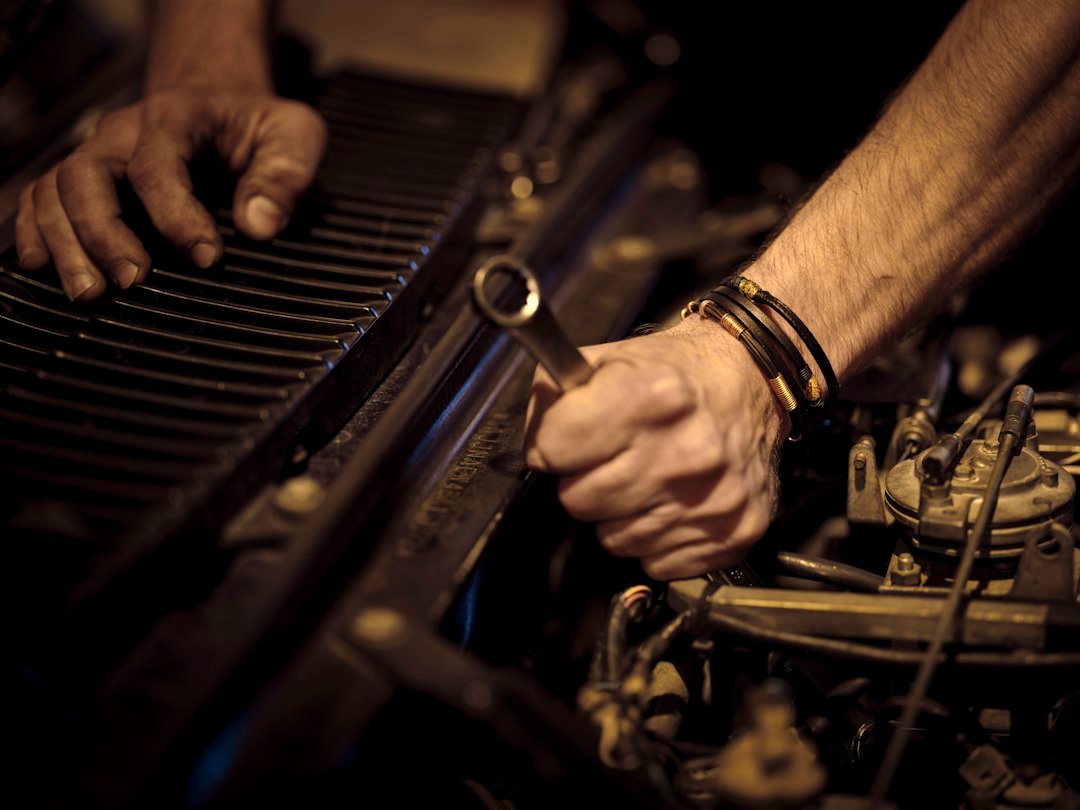
With the key off and the seat removed, press the pedal slowly and listen for the click. If the plate moves before the click, loosen the cable adjustment, press the pedal until the switch clicks, and retighten. On rod-linkage carts the adjustment is at the last rod in the series.
If the plate itself is bent or blocked with soot, the carburetor has to come off to inspect it. That is a job for a confident DIYer or a shop.
4. A Rich Fuel Mixture
Too much fuel for the air available is one of the most common reasons for a deceleration pop. Signs include a sweet raw-fuel smell, black exhaust smoke, and sooty plugs.
Some two-cycle engines have a mixture screw on the carburetor, and the usual starting point is about one and a half turns out from a lightly seated position. Four-cycle engines generally need little or no adjustment, so a rich four-cycle usually means a dirty carburetor or a stuck float, not a screw to turn. Check your service manual before you adjust anything.
5. A Dirty Carburetor or Stale Fuel
Gas that sits in a cart for months turns to varnish and clogs the tiny jets in the carburetor. A partly blocked jet runs lean, and a lean engine can pop back through the intake or stumble and bang under load.
Start with fresh fuel and a fuel filter. If the problem stays, clean the carburetor with carburetor cleaner, blow the passages out with compressed air, and rebuild it with a gasket kit. Note the mixture screw position before you touch it so you can return to it. If your cart sat all winter, our guide on how to store a golf cart for winter covers fuel stabilizer so this does not repeat.
6. Exhaust Leaks and Muffler Carbon
A cracked pipe or a loose gasket lets outside air into the exhaust, and that air gives leftover fuel the oxygen it needs to pop. If your backfire sounds sharp and only happens after the engine warms up, a carbon-packed muffler is another suspect.
Look for black soot streaks around joints and listen for a ticking sound at idle. A leaking gasket is cheap to replace. A badly choked muffler is usually easier to replace than to clean, and heating one to burn out deposits carries real fire and burn risk, so I do not recommend it as a driveway project.
7. Carbon Buildup, Valves, and Ignition Timing
On older carts, carbon on the piston and valves can glow hot enough to ignite fuel without the spark plug firing. Valves that are out of adjustment or sealing poorly cause similar trouble, as does an ignition system that fires at the wrong moment.
Modern carts use a solid-state ignition with a pickup, an igniter, and a coil, so a failing component can cause misfires that look like a carburetor problem. These are the hardest causes to confirm at home. If everything above checks out, take the cart to a technician with a service manual and the right gauges rather than guessing.
The Order I Check Things In
The goal is to spend the least money and time before you find the real fault. This is the sequence I follow on every gas cart that pops.
- Fresh fuel. Drain old gas and refill with fresh fuel before anything else.
- Air filter. Inspect it and replace it if it is dirty or oily.
- Spark plug. Pull it, read it, and replace it if worn or fouled.
- Throttle and microswitch. Check the click-before-movement timing with the key off.
- Exhaust. Look for leaks, soot streaks, and loose gaskets.
- Carburetor. Clean and rebuild it if the symptoms remain.
- Valves and ignition. Hand these to a technician if nothing above fixed it.
If the cart also jerks or hesitates when you accelerate, the same fuel and ignition faults are often behind it. Our breakdown of a golf cart that jerks when accelerating covers the gas-side causes in more depth.
Brand matters a little here. Club Car, E-Z-GO, and Yamaha all use different linkage layouts and engines, so always lean on the model’s own manual for specs. If you are still choosing between them, see our comparison of Club Car vs E-Z-GO vs Yamaha.
Safety Before You Start
Gasoline and hot exhaust parts are a dangerous mix. Let the engine cool, work outdoors or in a well-ventilated space, and keep sparks and open flame away from the fuel system.
Never run a gas cart in a closed garage. Engine exhaust contains carbon monoxide, and the CDC’s carbon monoxide guidance explains why it is so dangerous. Disconnect the spark plug wire before you work near the engine, and chock the wheels.
Also treat a loud, repeated backfire seriously. Sustained backfiring can damage the muffler and in bad cases the engine, so do not keep driving and hoping it clears up.
Frequently Asked Questions
Why does my gas golf cart backfire when I take my foot off the pedal?
A pop on deceleration usually means unburned fuel is reaching a hot exhaust. The usual suspects are a throttle plate that is not closing fully, a rich mixture, or an exhaust leak.
Can bad gas cause a golf cart to backfire?
Yes. Old fuel gums up the carburetor jets and upsets the air-fuel balance. Draining it and running fresh gas is the cheapest first test.
Is a backfiring golf cart dangerous to drive?
A mild pop is mostly an annoyance, but repeated hard backfires can damage the muffler and engine and may be a fire risk if raw fuel is involved. Park it and diagnose the cause.
How much does it cost to fix a backfiring golf cart?
It ranges widely. A filter, plug, or cable adjustment costs very little, while a carburetor rebuild or valve work costs more. Get a current quote, because shop labor rates vary by region.
Does an electric golf cart backfire?
No. Backfiring needs combustion, so it only affects gas carts. If your electric cart is jerking or losing power, start with the batteries and controller instead.
Bottom Line
Gas golf cart backfiring is a symptom of fuel burning in the wrong place, and the timing of the pop points you to the cause. Start with fresh fuel, a clean air filter, and a good spark plug, then check the throttle timing and exhaust before you open the carburetor.
Work through the list in order, write down exactly when the cart pops, and save the valve and ignition work for a technician. Most owners fix it with the first three steps.