In this Article
Building a golf course costs anywhere from $2 million for a basic 9-hole layout to more than $40 million for a championship 18-hole course — here's the real, itemized breakdown of where that money goes and what it costs to keep it running.
If you’ve ever stood on a beautiful course and wondered what it actually took to build it, the short answer to how much does it cost to build a golf course is: anywhere from around $2 million for a bare-bones 9-hole layout to more than $40 million for a championship-caliber 18-hole course with a full clubhouse. I’ve spent seven years teaching golf around Chicago, and I get asked this almost as often by curious students as I get asked about their slice — it’s one of those numbers people assume, then are surprised by in both directions.
This guide breaks down the real construction numbers — land, design fees, irrigation, turf, clubhouse, and permitting — plus what it costs to keep a course running once it’s open. No vague “it depends” answers, just the actual ranges architects and developers are working with in 2026.
How Much Does It Cost to Build a Golf Course? The Short Answer
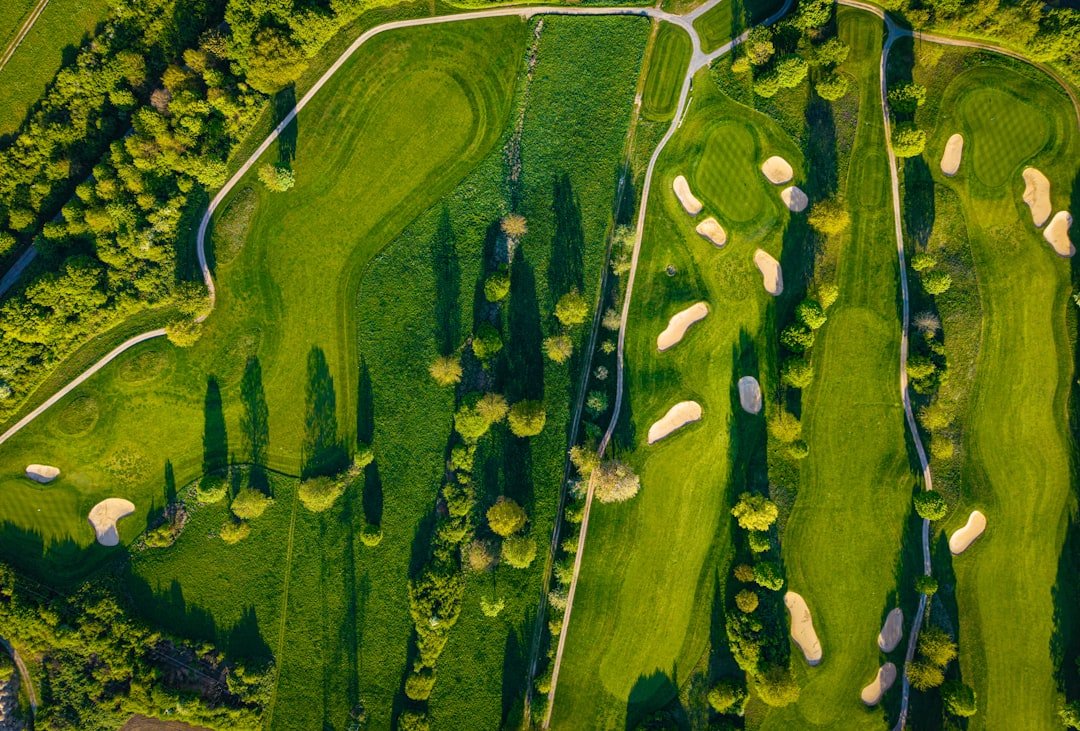
Total construction cost depends heavily on hole count and finish level, but the industry’s real-world numbers cluster into a few clear bands. A basic 9-hole course typically runs $2 million to $7 million. A standard 18-hole course lands between $5 million and $15 million. Premium or championship-level builds — think resort courses with dramatic earthwork and a large clubhouse — run $20 million to $40 million or more.
Those figures almost always exclude land acquisition. Buying or leasing the ground itself is a separate line item, and it swings wildly by region — a rural parcel in the Midwest and a coastal site near a metro area aren’t in the same universe price-wise. Everything below assumes you already have (or are leasing) the land.
Golf Course Construction Costs by Size
Per-hole cost is the most useful way to compare projects of different sizes, since it strips out the effect of simply having more or fewer holes.
| Course Type | Total Construction Cost | Cost Per Hole |
|---|---|---|
| 9-hole (basic) | $2M – $7M | $220K – $780K |
| 18-hole (standard) | $5M – $15M | $280K – $830K |
| 18-hole (premium / championship) | $20M – $40M+ | $1.1M – $2.2M+ |
| Mini golf / par-3 course | $100K – $2M | – |
That per-hole gap between a standard build and a premium one isn’t marketing fluff — it comes from real differences in earthmoving, drainage complexity, and finish quality. A flat parcel that barely needs grading costs a fraction of what a dramatic, hilly site with water features and extensive bunkering costs, even at the same hole count.
What Actually Drives the Cost of Building a Golf Course
Once you understand the totals above, it helps to know where the money actually goes. Here’s how a typical 18-hole budget breaks down by category.
Architect and Design Fees
A qualified golf course architect typically charges $1.5 million to $3 million for a full 18-hole design and construction oversight package. This isn’t optional if you want a course that plays well and drains properly — routing, green complexes, and strategic hazard placement are specialized work that a general landscape firm usually can’t replicate.
Site Preparation and Earthmoving
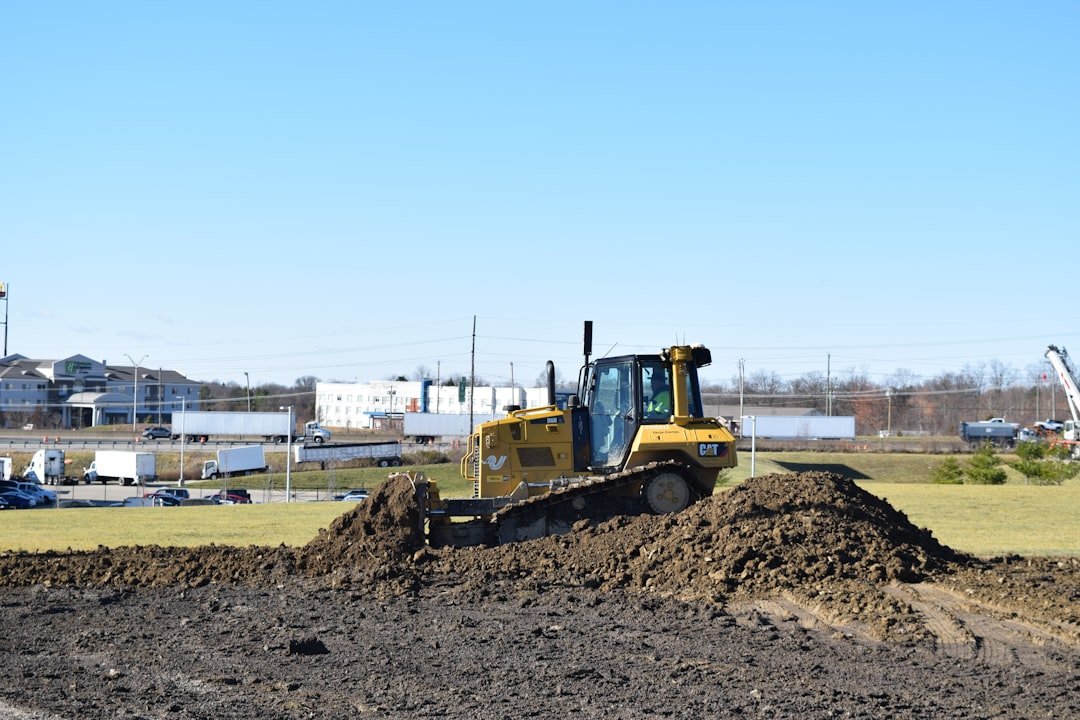
Clearing, grading, and shaping the land runs $1 million to $3 million on an average 18-hole site, though this number climbs fast on hilly or heavily wooded terrain. Per-acre site prep costs typically fall between $70,000 and $180,000 for a standard site, and can reach $350,000 per acre when the land needs major reshaping.
Irrigation Systems
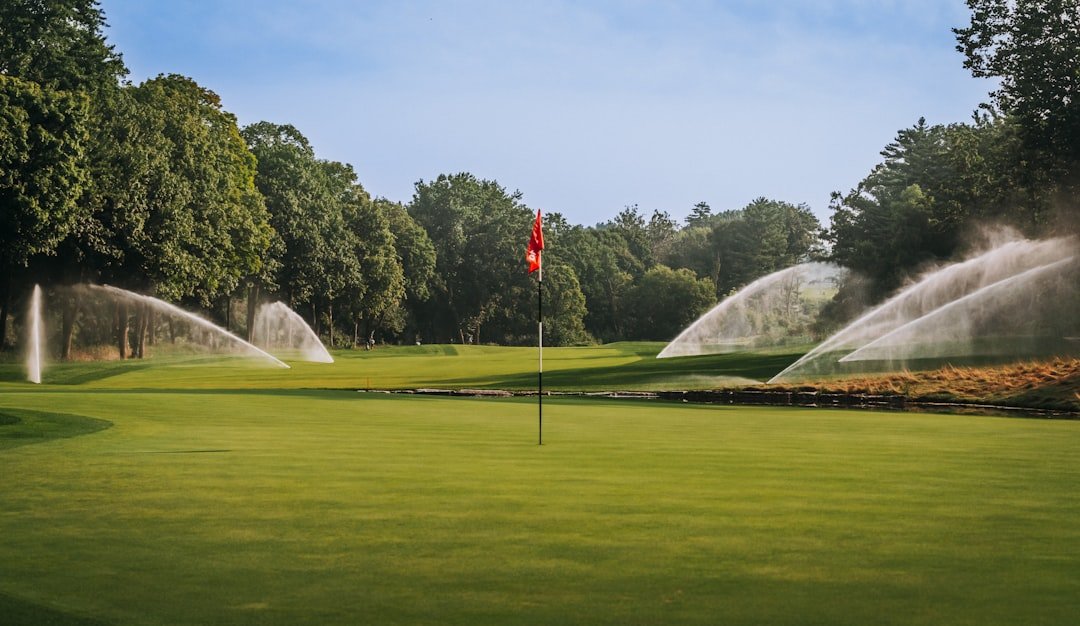
A modern computer-controlled irrigation system covering fairways, roughs, and greens costs $1 million to $2.5 million on an 18-hole course. This is one area where cutting corners tends to backfire — an undersized or poorly zoned system leads directly into the maintenance headaches and higher water bills covered later in this guide.
Turfgrass and Grassing
Sodding or sprigging fairways, tees, and greens with the right turf variety for the local climate runs $500,000 to $1.5 million. Greens alone eat a disproportionate share of this budget, since they typically use a specialized, more expensive bentgrass or Bermuda cultivar than the rest of the course.
Clubhouse and Practice Facilities
A basic clubhouse with a pro shop and simple food service runs around $3 million, while a full luxury clubhouse with dining, event space, and locker rooms can reach $10 million or more. A driving range, short-game area, and putting green add further cost but are increasingly treated as non-negotiable by developers, since practice facilities are what keep members and daily-fee players coming back between rounds.
The Cart Fleet
A new course also needs somewhere between 60 and 80 carts to run comfortably on a typical day, and that fleet is its own budget line, separate from the construction cost above. If you’re pricing that piece out, our breakdown of how much golf carts cost covers new and used pricing across cart types, plus what a fleet costs to maintain once it’s in service.
Permitting and Environmental Compliance
Permits and environmental review typically cost $100,000 to $500,000, though this can climb into the millions on sites with wetlands or protected species. Many course sites touch waters regulated under the federal Clean Water Act, which means a Section 404 dredge-and-fill permit from the Army Corps of Engineers before any earthwork can begin near a wetland or stream. Budgeting for a real environmental consultant early saves far more than it costs — permitting delays are one of the most common reasons golf course projects run over budget and behind schedule.
How Many Acres Do You Need to Build a Golf Course?
Land requirements scale predictably with hole count and course style, and knowing the range helps before you even start pricing out a specific parcel.
- 9-hole course: 25 to 65 acres
- 18-hole course (standard): 100 to 200 acres
- Par-3 / executive course: 25 to 50 acres
- Championship / resort course: 200+ acres
If a round on a full course feels like a bigger time commitment than you want, it’s worth knowing that a 9-hole round takes roughly half the time of 18 — which is exactly why so many new developments start with a 9-hole layout and expand later once the club has revenue coming in.
Building a Mini Golf or Par-3 Course: The Budget-Friendly Option
If a full course is out of reach, a mini golf or par-3 facility is a genuinely different cost category. Building a mini golf course typically costs $100,000 to $500,000, occasionally pushing toward $1 million to $2 million for an elaborate, themed 18-hole layout with water features and lighting.
A par-3 or executive course sits between mini golf and a full-size course in both land needs and price, and it’s a common way for developers to test demand in a market before committing to a full 18-hole build. It’s also a more approachable format for newer players — if you’re building or recommending a course with growth-of-game in mind, a shorter layout pairs naturally with programs aimed at golfers who are just starting out.
What It Costs to Maintain a Golf Course After It’s Built
Construction is a one-time number, but the cost to maintain a golf course is the one that determines whether the business actually works long-term. According to the USGA’s Green Section Record, the nationwide average maintenance budget for an 18-hole course in 2023 was $999,585 — essentially a million dollars a year to keep a course in playable condition.
That average hides real regional swings. Daily-fee courses tend to run closer to $500,000 a year, while private clubs average closer to $1 million. Hot, dry climates push costs even higher — Southwestern courses average around $1.05 million annually with water alone accounting for roughly $266,000 of that, and per-acre costs in that region can top $15,000 versus $11,000 in the Southeast.
Labor is the single biggest line item in every case. Industry estimates put labor at 50 to 60 percent of a course’s total maintenance budget, which is why staffing decisions — how many crew members, full-time versus seasonal, in-house versus contracted — matter more to the bottom line than almost anything else on the maintenance side.
How Long Does It Take to Build a Golf Course?
Budget aside, timeline is the other thing developers consistently underestimate. A full golf course build typically takes 2 to 4 years from initial planning to opening day, and very little of that is actually construction.
Permitting and approvals alone can take 1 to 2 years in areas with strict environmental or zoning review. Once ground actually breaks, construction itself — grading, drainage, irrigation, grassing, and grow-in — takes another 1 to 2 years. Grow-in matters more than people expect: new turf needs a full growing season (sometimes two) to establish deep enough roots to handle regular play without tearing up.
Is Building a Golf Course a Good Investment?
A well-run 18-hole course generates roughly $1.5 million a year on average, pulled from green fees ($20 to $500 per round depending on the market), membership initiation fees ($5,000 to $500,000 at the extreme high end), and annual dues ($2,000 to $50,000). Weigh that against a $1 million annual maintenance budget plus debt service on a $5 million to $15 million construction loan, and the math gets tight fast.
My honest take, after watching this play out from the golfer’s side of the business for years: a golf course is a real estate and hospitality business that happens to have grass, not a hobby project. The developments that actually pencil out almost always pair the course with something else generating revenue — home lots, a resort, event space — rather than expecting green fees alone to carry a $10 million-plus construction cost. If you’re going in purely on the golf operation’s numbers, run them conservatively and assume the maintenance budget only goes up over time, not down.
Frequently Asked Questions
How much does it cost to build a 9-hole golf course?
A basic 9-hole golf course typically costs $2 million to $7 million to build, not including land. That works out to roughly $220,000 to $780,000 per hole, depending on terrain, irrigation needs, and finish quality.
How much does it cost to build a mini golf course?
Most mini golf courses cost $100,000 to $500,000 to build. Elaborate, themed layouts with water features, lighting, and custom obstacles can push that toward $1 million to $2 million.
How many acres do you need for a golf course?
An 18-hole course generally needs 100 to 200 acres, while a 9-hole course can work on 25 to 65 acres. Championship and resort courses with more dramatic routing often use 200 acres or more.
How much does it cost to maintain a golf course each year?
The nationwide average maintenance budget for an 18-hole golf course was $999,585 in 2023, per USGA data. Daily-fee courses tend to run closer to $500,000 a year, while private clubs and courses in hot, dry climates often spend $1 million to $1.5 million or more.
How long does it take to build a golf course from start to finish?
Most golf course projects take 2 to 4 years total, including 1 to 2 years for permitting and approvals and another 1 to 2 years for actual construction and grow-in before the course can open for play.
Is building a golf course profitable?
It can be, but the margins are thinner than most people assume once you account for a roughly $1 million annual maintenance budget and debt service on the construction cost. The most financially successful golf course developments typically pair the course with other revenue sources, like real estate or resort amenities, rather than relying on green fees alone.
Final Thoughts
The honest answer to how much does it cost to build a golf course is a wide one — from a $2 million 9-hole community course to a $40 million championship resort — because the number depends entirely on land, ambition, and how much of the operation you’re trying to fund upfront. Whatever budget you’re working with, the same rule holds: undersizing the irrigation system or the maintenance budget to save money during construction almost always costs more later, once real golfers are playing real rounds on it.