In this Article
A barkie is a golf side bet won by hitting a tree and still making par. Learn the rules, payouts, popular variations, and how to recover and cash in more of them.
You send a drive right, hear a loud crack, and watch your ball ricochet off an oak back into play. Someone in your group laughs and says, “That is a barkie if you save par.” If you nodded along without knowing the details, here is the answer. What is a barkie in golf? It is a side bet that pays when you hit a tree on a hole and still finish with par or better.
I hear about barkies all the time from students in Chicago, usually after a weekend round with friends. The idea is simple, but the details cause real arguments. This guide covers the standard rules, the common variations, how payouts work, and how to recover from the trees so you actually cash in.
Table of Contents
Table of Contents
What Is a Barkie in Golf? The Short Answer
A barkie is a golf side bet, sometimes spelled barky. You earn one when your ball hits a tree during a hole and you still make par or better on that hole. The tree can be hit on any shot, whether it is a drive, an approach, or a punch-out.
Golf News Net’s guide to junk in golf lists barkies alongside greenies and sandies, the side bets many groups call junk, dots, or garbage. These bets sit on top of your regular match. They give everyone something to play for even when the main wager is already decided.
So the one-line answer to what is a barkie in golf is this: hit a tree, then save par. Nothing about it is official, so the dollar amount and the small print are up to your group.
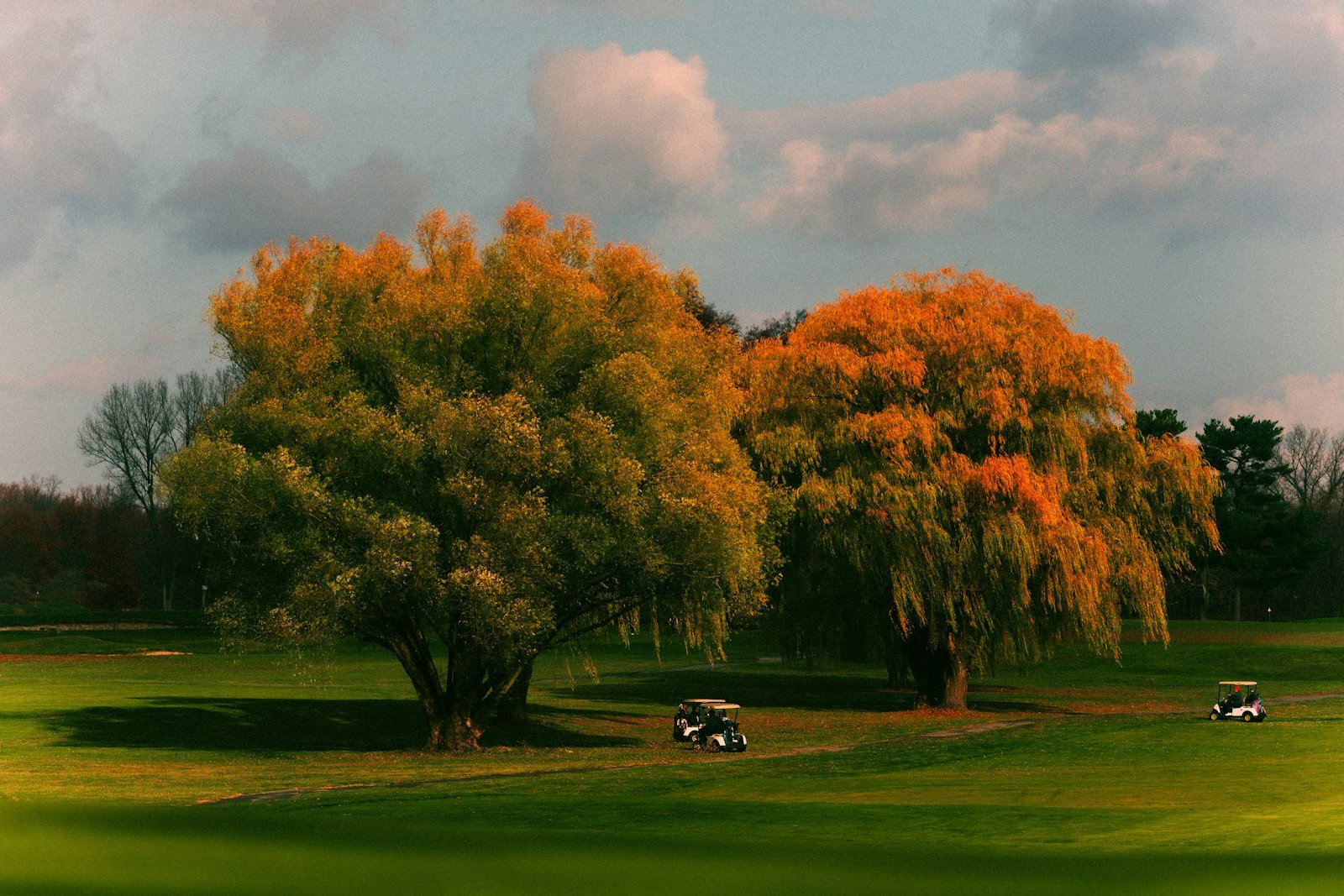
How a Barkie Works, Step by Step
There are two requirements. Miss either one and the barkie does not count.
- Hit a tree. Your ball has to strike a tree on any shot during the hole. Most groups want everyone to actually hear it.
- Make par or better. You need a gross par, meaning a real par on the scorecard. A bogey voids the barkie, no matter how many branches you found.
Here is a real example. You pull your drive on a par 4, and it clips a maple and drops in the left rough. You punch out to the fairway, hit a wedge to 8 feet, and sink the putt for par. That is a barkie.
Now change the story. The same drive hits the same maple, but you three-putt for a bogey. No barkie. The tree strike only matters if you finish the job.
Per CaddieHQ’s barky guide, the strike should be audible so your playing partners can confirm it, and the player claims the barkie after holing out. It runs on the honor system, so keep it friendly.
Other Names for a Barkie
Golf slang changes by region and by group. You will hear this bet called a barky, a woodie, or occasionally a Seve, a nod to Seve Ballesteros and his famous escapes from trouble. The spelling is not worth fighting over. Barkie and barky mean the same thing.
The word woodie is where people get confused. Some groups use it for any save after hitting a tree, which is exactly what a barkie is. Others use it for a different tree-based game with its own rules. Golf Compendium’s barkies explainer treats the names as interchangeable, but ask your group before you assume.
Common Barkie Rule Variations
Because there is no official rulebook, groups tweak barkies to taste. These are the variations I see most often, and they line up with what the sources above describe.
| Variation | How it works |
|---|---|
| Any shot counts | The classic version. A tree hit on a drive, approach, or recovery all qualify. |
| Tee shots only | Stricter. Only a drive that hits a tree can start a barkie. |
| Par or better | You must finish with par or better. This is the standard rule. |
| Birdie bonus | A tree hit followed by a birdie pays double. |
| Double barky | Two different shots hit trees on the same hole and you still make par or better. |
| Arbor Day | After hitting a tree, you declare Arbor Day to double the bet. Par or better wins double, and bogey or worse means you pay double. |
Arbor Day is my favorite. It turns a bad break into a decision. You are betting that you can scramble, and your playing partners get to feel clever when you fail. Just agree beforehand whether every player has to accept the bet or whether each person can decline.
Barkie Payouts: Money and Points
A barkie is worth whatever your group says it is. Some foursomes play for a dollar, some for five, and some just for bragging rights. Because barkies are rarer than greenies or sandies, many groups set the value a little higher.
In a points game such as dots or garbage, a barkie is worth points instead of cash. Five points is a common value, but your group can set any number. A birdie after a tree hit often earns extra.
A sample round
Say your foursome plays a $2 barkie. On the 5th hole, your drive hits a pine, and you save par. You collect $2 from each of the other three players, which is $6 for one lucky bounce.
On the 12th, you hit a tree again, declare Arbor Day, and make bogey. You now owe $4 to each player who accepted. That one hole costs you $12, which is why Arbor Day should come with a warning label.
Write each barkie on the scorecard as it happens, with the hole number and the player. A simple B next to the name works fine. Settle up right after the round, before anyone leaves the parking lot.
How to Settle Barkie Disputes
Most arguments come from the same few situations. I tell every group I play with to agree on these on the first tee:
- Branches and leaves. Does a ball that only clips leaves count? Most groups say the ball must hit the trunk or a real branch, and that everyone should hear it.
- Bushes and shrubs. A tree is a tree. A hedge, a bush, or a fence post is not, unless your group says otherwise.
- Cart paths and rocks. Only trees count. A ricochet off a cart path is just a bad bounce.
- Net par. Barkies use gross par. Stroke-adjusted par does not count.
- Multiple barkies. Can one hole produce two? Usually only one pays, unless you play the double barky variation.
When nobody saw or heard it, the claim usually fails. A good rule of thumb is that a barkie needs at least one witness. Keep the mood light, because the whole point is fun, not a courtroom.
Barkies and Other Golf Side Games
A barkie rarely travels alone. Most groups that play it also track a few other junk bets. If you want the par-3 version, our guide to what a greenie is in golf covers closest-to-the-pin bets, and our explainer on what a sandie is in golf covers par or better after a bunker visit.
Side games also pair well with the casual formats. If you are playing a scramble, you can run barkies on the side so every player has something to chase. And if your group likes a friendly reset, our guide to the breakfast ball covers the first-tee mulligan rules.
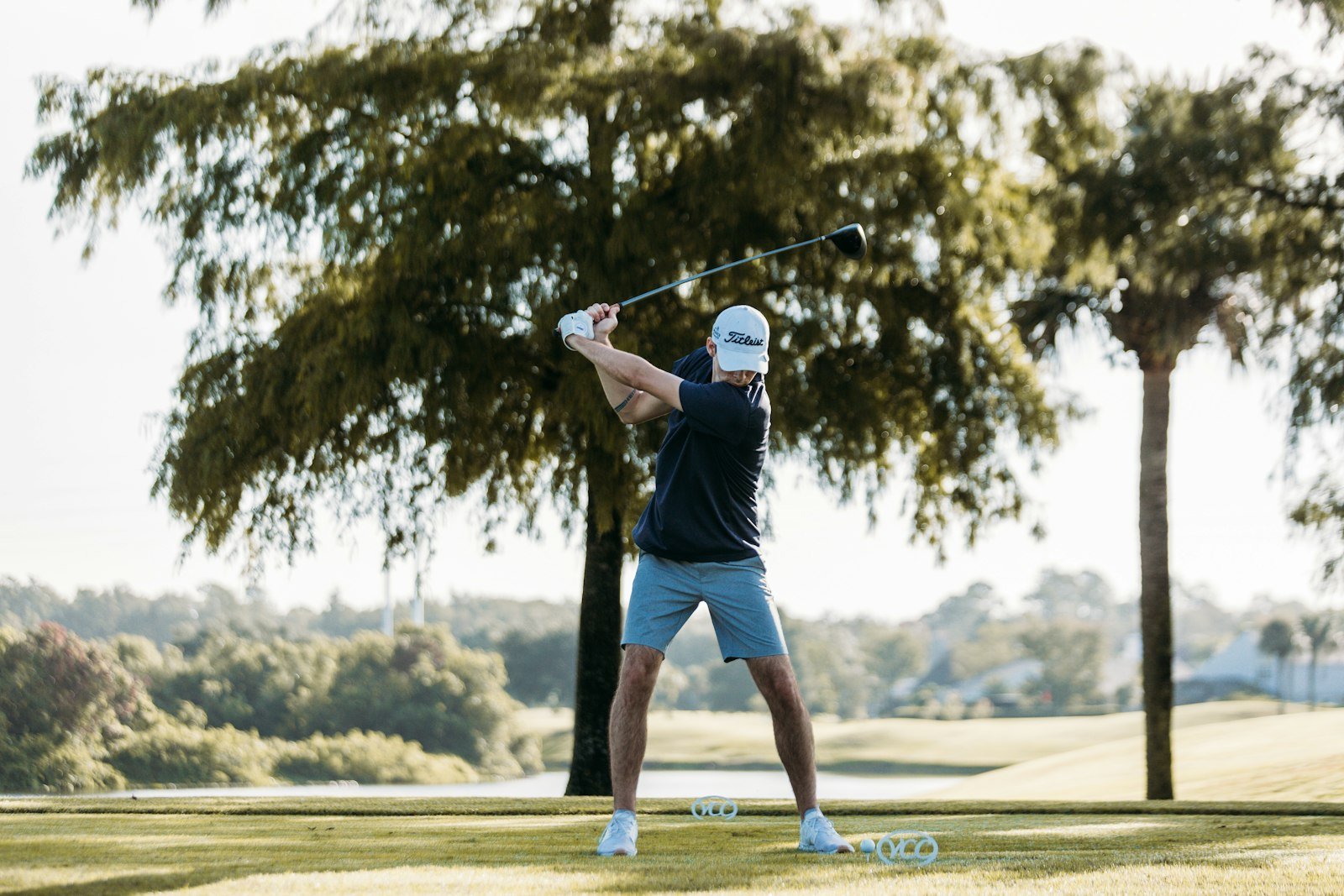
5 Ways to Make More Barkies
Hitting a tree is the easy part. Saving par is where the money is. These are the five things I teach students, in the order they matter.
1. Take your medicine
When your ball is behind a tree, the hero shot rarely works. Pick the safest opening and get back to the fairway. A boring punch-out that leaves a full wedge beats a gap shot that hits the next trunk.
2. Learn the low punch
Play the ball back in your stance, grip down an inch, and keep your hands ahead of the clubhead. Swing to about waist height and hold your finish. This shot flies low under branches and runs out toward the fairway.
3. Pick a landing spot, not a target
From the trees, aim for a specific patch of fairway rather than the green. Choose the spot that leaves you a clear next shot, even if it is short of the hole. Par is built on the second and third shots, not the escape itself.
4. Sharpen your wedge game
Most barkies are saved with a wedge and a putt. Practice the 40 to 80 yard shots that follow a recovery. If you want a benchmark for what a good round looks like, see our guide to a good score for 9 holes.
5. Stay patient
A tree strike feels like a disaster, and that is when players panic and make a double bogey. Take a breath, accept the new situation, and play one shot at a time. Calm players save par more often than angry ones.
Frequently Asked Questions
What is a barkie in golf?
A barkie is a side bet won when your ball hits a tree on any shot during a hole and you still make par or better. It is informal, so your group sets the value.
Is a barkie the same as a barky or a woodie?
Barkie and barky are the same bet with different spellings. Woodie is often used the same way, though some groups give it slightly different rules, so confirm before you play.
Do you have to make par to win a barkie?
Yes. You need a gross par or better after hitting the tree. A bogey cancels the barkie, and a birdie often pays a bonus.
What is Arbor Day in golf?
Arbor Day is a barkie variation. After hitting a tree, you declare it to double the bet. Par or better wins double, and bogey or worse means you pay double.
How much is a barkie worth?
There is no official value. Groups agree on an amount such as $1 or $5 before the round. In points games, five points is a common value.
The Bottom Line
Now you know what a barkie in golf is and how to win one. Agree on the rules on the first tee, keep a witness handy, and play the smart recovery instead of the hero shot. Do that, and the next time you hear wood crack, you will be smiling instead of swearing.