In this Article
Top Flite junior golf clubs review: what's in the Ages 5-8 and Ages 9-12 sets, sizing by height, current pricing, and how they compare to US Kids, Callaway, and Wilson junior sets.
If you’ve got a kid asking to come to the course with you, there’s a good chance you’ve already run into Top Flite junior golf clubs while shopping. They’re one of the most common starter sets on the shelf at Dick’s Sporting Goods and Golf Galaxy, and I get asked about them constantly by parents at my own club. This guide covers exactly what’s in the box, how to size them correctly, what they cost right now, and whether Top Flite junior golf clubs are the right call for your kid’s game.
I’ll say this up front: Top Flite isn’t trying to build a tour-caliber junior set here. It’s built to answer one question cheaply and well — does my child actually want to keep playing golf? That’s the right question to ask before you spend real money on equipment, and it’s exactly the job Top Flite junior golf clubs are built to do.
What’s Actually in a Top Flite Junior Golf Clubs Set
Top Flite splits its junior lineup into two age-based sets rather than one generic “kids” box, which matters more than it sounds like. A club that’s sized right for a six-year-old is nearly useless for an eleven-year-old, and vice versa.
Ages 5-8 Set
The younger set is built for golfers roughly 46 to 52 inches tall, generally ages 5 to 9. It includes a driver, a hybrid iron, a 7 iron, a sand wedge, a mallet putter, and a stand bag with headcovers for the driver and hybrid. That’s a deliberately short list — five clubs is plenty for a child who’s still learning to make contact, and a bag stuffed with clubs they can’t yet use just adds weight they have to carry around the course.
Ages 9-12 Set
The older set steps up to an 11-piece loadout for golfers 53 to 60 inches tall: a driver, a fairway wood, a hybrid, a 7 iron, a 9 iron, a sand wedge, a putter, three headcovers, and a stand bag. It’s a genuinely complete bag for a preteen who’s ready to play actual holes instead of just hitting balls at the range.
Both sets skip the middle irons entirely, going straight from a hybrid to a wedge. That mirrors what nearly every modern adult game-improvement set does now, and for a beginner of any age, hybrids are simply easier to get airborne than a traditional mid-iron.
Top Flite Junior Sizing by Age and Height
Age is a rough guide at best when you’re fitting clubs — height is what actually determines whether a club works for your kid’s swing. Two eight-year-olds can differ by half a foot, and that difference matters more than their birth year ever will.
Here’s roughly how the sizing shakes out across both sets, based on the manufacturer’s published height ranges. These numbers line up closely with the junior golf club sizing chart published by Hireko Golf, which is worth bookmarking if your child is between sizes.
- Ages 5-8 (height 46″-52″): driver, hybrid, 7 iron, sand wedge, putter — the 5-club starter set
- Ages 9-12 (height 53″-60″): driver, fairway wood, hybrid, 7 iron, 9 iron, sand wedge, putter — the 11-piece complete set
- Above 60″ or swinging consistently past age 12: most kids are ready to size up into a teen-length set rather than a junior one
If your child measures right on the line between the two sets, size up rather than down. A slightly long club is far easier to play than one that’s too short, and it buys you another season of growth before you’re shopping again. For a deeper look at what comes next once your child outgrows junior sizing altogether, our guide to golf clubs for teenager players walks through that transition in detail.
Specs and Materials: Shafts, Loft, and Clubhead Design
Shaft Flex and Material
Every club in both Top Flite junior golf clubs sets ships with a lightweight composite shaft, not steel. That’s the right call for a young, developing swing — composite is significantly lighter than steel, which lets a child generate real clubhead speed without needing adult-level strength to do it.
A steel-shafted junior club might feel more “serious,” but it usually just sits heavy in a kid’s hands and makes solid contact harder to find, not easier. Weight is the enemy of a repeatable swing at this age, more than almost anything else.
Forgiveness and Clubhead Design
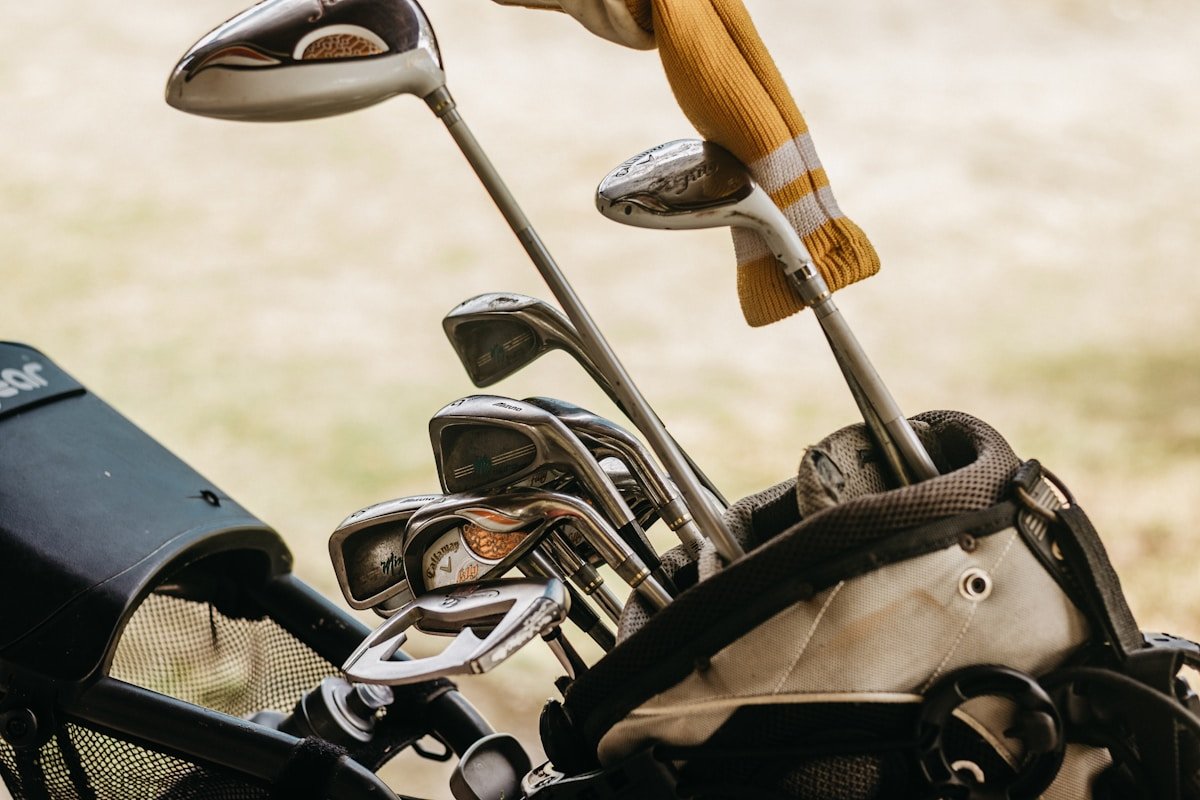
Both sets lean hard into forgiveness. The irons use a wide sole with perimeter weighting, which pushes mass toward the edges of the clubhead instead of concentrating it dead center. That design keeps a mis-hit a groove or two off the sweet spot from turning into a shot that dribbles ten feet.
The driver and hybrid use a similarly forgiving, low center-of-gravity design built to get the ball airborne, which is often the single hardest thing for a new junior golfer to do consistently. The putter is a mallet style with alignment aids built in, which helps a kid start building a straight stroke instead of guessing at aim.
How Much Do Top Flite Junior Golf Clubs Cost?
Pricing is a big part of why these sets show up in so many bags. The Ages 5-8 set runs about $199.99, and the Ages 9-12 set runs about $219.99 at most retailers, including GolfWorks and Dick’s Sporting Goods. Both numbers land well inside the $150-$220 range that junior complete sets typically occupy.
Compare that to a name-brand junior set from a boutique fitter, which can run $300 or more for a similar age range, and the value case is easy to see. That price also includes the stand bag and headcovers, two things some competing budget sets sell separately just to hit a lower shelf price.
If you’re not sure your child is going to stick with golf past this season, that price point matters more than the spec sheet does. It’s a low enough bar that trying the game out doesn’t feel like a real financial commitment.
Top Flite Junior vs Other Junior Brands
Top Flite junior golf clubs aren’t the only budget option on the shelf, and it’s worth knowing where they sit relative to the competition. US Kids Golf is the most common comparison for parents who’ve done any research — it’s a more specialized junior brand with finer height-based sizing increments, but it also costs noticeably more and is typically sold through fitters rather than big-box retailers.
The Callaway XT junior and teen lines sit in a similar price bracket to Top Flite and share the same beginner-first philosophy: lightweight composite shafts, oversized forgiving heads, and a complete-set approach. Reviewers generally rate the two closely, with Callaway carrying a bit more brand recognition and Top Flite typically the easier set to actually find in stock.
Wilson’s Profile SGI junior set is another frequent cross-shop, built around the same Super Game Improvement idea — big, forgiving clubheads designed to get the ball in the air. It’s dependable, if a step behind the Top Flite lineup on overall build feel at a comparable price. If you’re also shopping for an adult set at the same time, our Top Flite XL golf clubs guide covers the grown-up version of this same lineup.
Signs Your Child Has Outgrown Their Top Flite Junior Golf Clubs
Junior clubs don’t last as long as adult clubs, and that’s by design, not a flaw. Most kids need a new set within one to two years simply because they grow that fast during this stretch of childhood.
Watch for a few specific signs. If your child is bending over more than usual at address, or standing unusually upright over the ball, the clubs are likely too short or too long, respectively. If the heel or toe of the clubhead lifts off the ground at address instead of sitting flat, that’s another reliable tell.
The simplest check doesn’t require a fitting appointment at all. Have your child grip the club normally and stand at address — if their hands are consistently choking down near the bottom of the grip just to make the club feel manageable, it’s time to size up. The PGA Tour Superstore parent’s guide to junior equipment covers a few more fitting checkpoints worth running through before you buy.
Getting the Most Out of a Junior Set
Buying the right Top Flite junior golf clubs set is only half the job. What happens in the first few weeks after it arrives has a bigger effect on whether your kid sticks with golf than the equipment itself does.
Start on the putting green and short game, not the driving range. A five- or six-year-old who spends their first sessions chasing 250-yard drives is going to get frustrated fast. Short putts and chips build confidence quickly because they’re achievable, and that early confidence is what keeps kids coming back.

Keep range sessions short. Twenty focused minutes beats ninety distracted ones at this age, and ending a session on a good shot matters more than most parents realize — it’s what your child remembers walking away.
Don’t over-correct swing mechanics too early. A forgiving, wide-sole club is specifically designed to make imperfect contact still go somewhere reasonable. Let your child develop natural rhythm and enthusiasm before you start layering in technical instruction, and if you want a simple framework once they’re ready for more structure, our guide to golf for beginners covers the fundamentals in an approachable order.
Frequently Asked Questions
What age are Top Flite junior golf clubs for?
Top Flite makes two junior sets: one for ages roughly 5-8 (height 46″-52″) and one for ages roughly 9-12 (height 53″-60″). Height matters more than age, so use the height ranges to confirm fit even if your child is a year or two outside the labeled age bracket.
How much do Top Flite junior golf clubs cost?
The Ages 5-8 set runs about $199.99 and the Ages 9-12 set runs about $219.99 at most retailers. Both fall within the typical $150-$220 range for junior complete sets, making them one of the more affordable ways to outfit a beginner.
What’s included in a Top Flite junior golf clubs set?
The younger set includes a driver, hybrid, 7 iron, sand wedge, putter, and a stand bag with headcovers. The older set adds a fairway wood and a 9 iron for an 11-piece total, also with a stand bag and headcovers included.
Are Top Flite junior golf clubs any good for a true beginner?
Yes. The lightweight composite shafts, forgiving wide-sole irons, and oversized driver and hybrid heads are all built around one goal: making solid contact easier for a developing swing. That’s exactly what a first-time junior golfer needs.
How do I know what size Top Flite junior golf clubs to buy?
Measure your child’s height rather than going by age alone. Use 46″-52″ for the younger set and 53″-60″ for the older set, and if your child falls right on the line, size up rather than down to buy an extra season before you need to replace the set.
How often will my child need a new set after this one?
Plan on roughly one to two years before a growth spurt outgrows a junior set, sometimes sooner during an active growth stretch. Watch grip position and posture at address rather than waiting for an obvious problem to show up in their ball-striking.
The Bottom Line
Top Flite junior golf clubs do exactly what they’re designed to do: give a kid a complete, forgiving, affordable way to find out if golf is going to stick, without asking parents to make a four-figure bet on a game their child might try for one summer. They’re not going to turn a nine-year-old into a scratch golfer, and that was never the point.
Measure height before you buy, size up if your child is between ranges, and expect to revisit sizing every season or two while they’re still growing. Get that part right, and the clubs stop being the thing standing between your kid and actually enjoying the game.
Where to Shop
Affiliate links – we may earn a small commission at no extra cost to you, and it never changes what we recommend.