In this Article
Wondering how many discs you need for disc golf? Start with one to three, build to a bag of three to six, and only add more when your game asks for it.
If you are asking how many discs do you need for disc golf, the honest answer is fewer than the disc shops want you to believe. You can play a full round with a single disc, a comfortable starter bag holds three to six, and even experienced players rarely need more than a dozen.
I have spent seven years teaching golfers here in Chicago, and plenty of them show up on a disc golf course with their kids on the weekend. The most common mistake I see is not a bad throw. It is a brand new player carrying twelve drivers they cannot control. This guide gives you a simple plan so you spend money only where it helps your game.
Table of Contents
How Many Discs Do You Need for Disc Golf? The Short Answer
Here is the quick version of how many discs do you need for disc golf at every stage. The number depends far more on how long you have been playing than on how serious you are about it.
| Where you are | Discs to carry | What is in the bag |
|---|---|---|
| Day one | 1 | One midrange or putter |
| First month | 3 | Putter, midrange, one fairway driver |
| First season | 3 to 6 | Two of each type, so you have backups |
| Intermediate | 10 to 20 | Multiples of favorites plus shot-shaping discs |
| Touring pro | 15 to 25 | Every shape and speed, in several weights |
Those ranges line up with what most disc golf retailers and coaches suggest. A safe number for a new player is about three to six discs, while experienced players commonly carry 10 to 20 and pros often carry 15 to 25.
Notice that nobody in that table needs 25 discs to enjoy the game. More discs add weight and decisions, not skill.
The Three Types of Discs
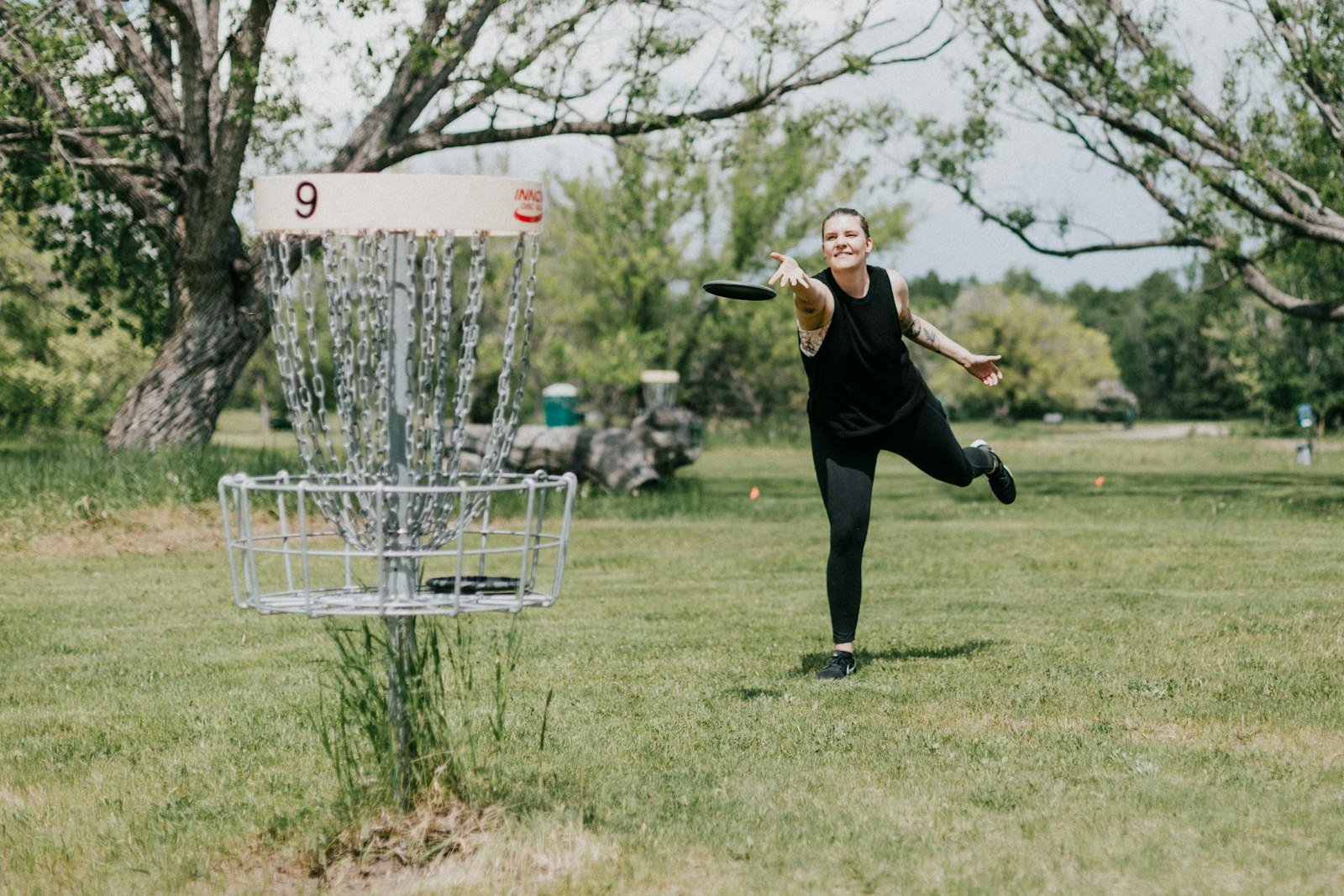
Every disc falls into one of three families, and understanding them makes the whole question easier. Think of it like a golf bag, where a putter, a mid-iron and a driver each do a different job.
Putters
Putters are slow, blunt-edged discs built for the last 10 to 40 feet and for short, accurate approach shots. They fly straight and predictably, which is why many coaches love them for learning.
Midranges
A midrange has a slightly sharper edge and a bit more speed. It is the workhorse for second shots, tight fairways and short drives. If I could hand a beginner only one disc, this is the one.
Fairway and Distance Drivers
Drivers are the fast, sharp-edged discs designed for distance. Fairway drivers are the easier ones, and distance drivers need real arm speed to fly the way the stamp promises.
Thrown too slowly, a distance driver tends to veer hard and drop early. That is why a high-speed driver is the worst first purchase you can make.
Starting With Just One Disc
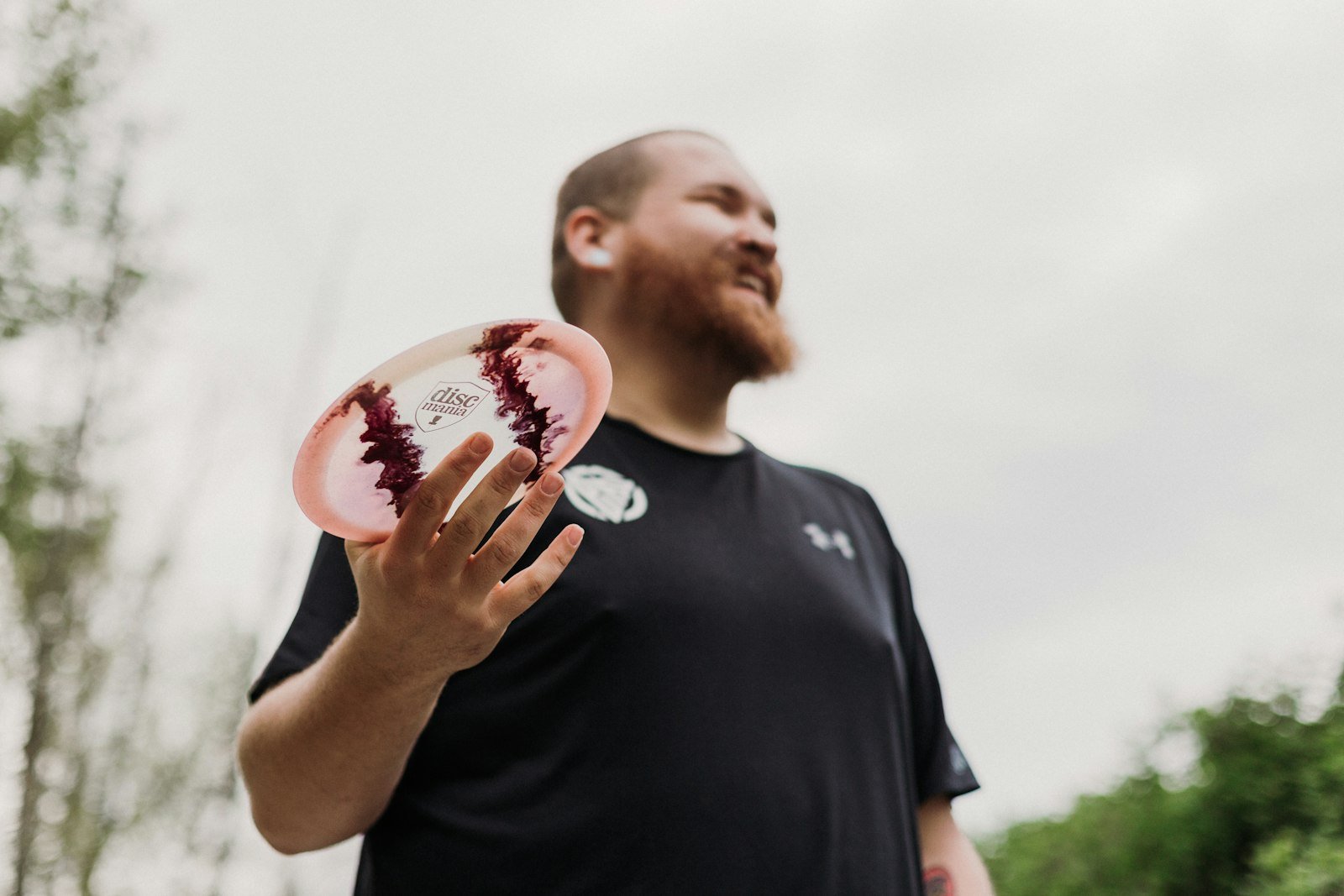
You can absolutely start with one. When people ask me how many discs you need for your very first round, I tell them one midrange, and I mean it.
A single disc forces you to learn one flight path. You throw it off the tee, throw it again from where it lands, and putt it into the basket. That repetition teaches you more in a week than a bag of mixed discs teaches in a month.
A putter is a fine solo disc too if it feels good in your hand. Midranges usually go a little farther, though, and deep-rimmed putters can feel awkward on harder throws.
The same logic applies on the fairway at a regular course. In our guide to golf for beginners, I make the same point about clubs: master a few before you chase a full set.
What to Look for in a Beginner Disc
Every disc has four flight numbers stamped on it: speed, glide, turn and fade. You do not need to memorize physics, but a few ranges will keep you out of trouble.
- Speed 1 to 6: Slower discs need less arm speed to fly as designed.
- Glide 3 to 7: Higher glide keeps the disc in the air longer, which helps newer throwers.
- Turn 0 to -3: A little negative turn lets the disc drift gently instead of diving.
- Fade 0 to 1: Low fade means a softer finish at the end of the flight.
For adults, a weight between 165 and 180 grams works well, leaning lighter if you are newer or less athletic. Lighter discs are easier to get moving.
Plastic matters too. Premium plastics hold their shape better after hitting trees and cart paths. The UDisc guide to beginner discs lists a number of good midranges and putters if you want specific models to compare.
One last point on feel. Flight numbers matter less than whether the disc sits comfortably in your hand. Hold a few at the shop, and ask friends at the course if you can throw theirs.
Grip comfort drives everything, much like it does in the full golf swing, as we cover in our guide to types of golf grips.
Building Your First Bag Step by Step
Here is how I walk beginners through it. Each step is only worth taking once the previous one feels comfortable.
- Buy one midrange. Play three or four rounds with nothing else.
- Add a putter. Once you are within 30 feet of the basket, a dedicated putter will cost you fewer strokes.
- Add a fairway driver. Pick a low-speed one, around speed 6 or 7, and only after your midrange flies straight.
- Add backups. A second copy of your favorite disc is worth more than a brand new model.
- Stop at six. Hold there for a full season before you consider more.
That sequence is the practical answer to how many discs do you need for disc golf at each stage. It also spreads the cost over a few weeks, so you are never paying for discs you are not ready to use.
When to Add More Discs
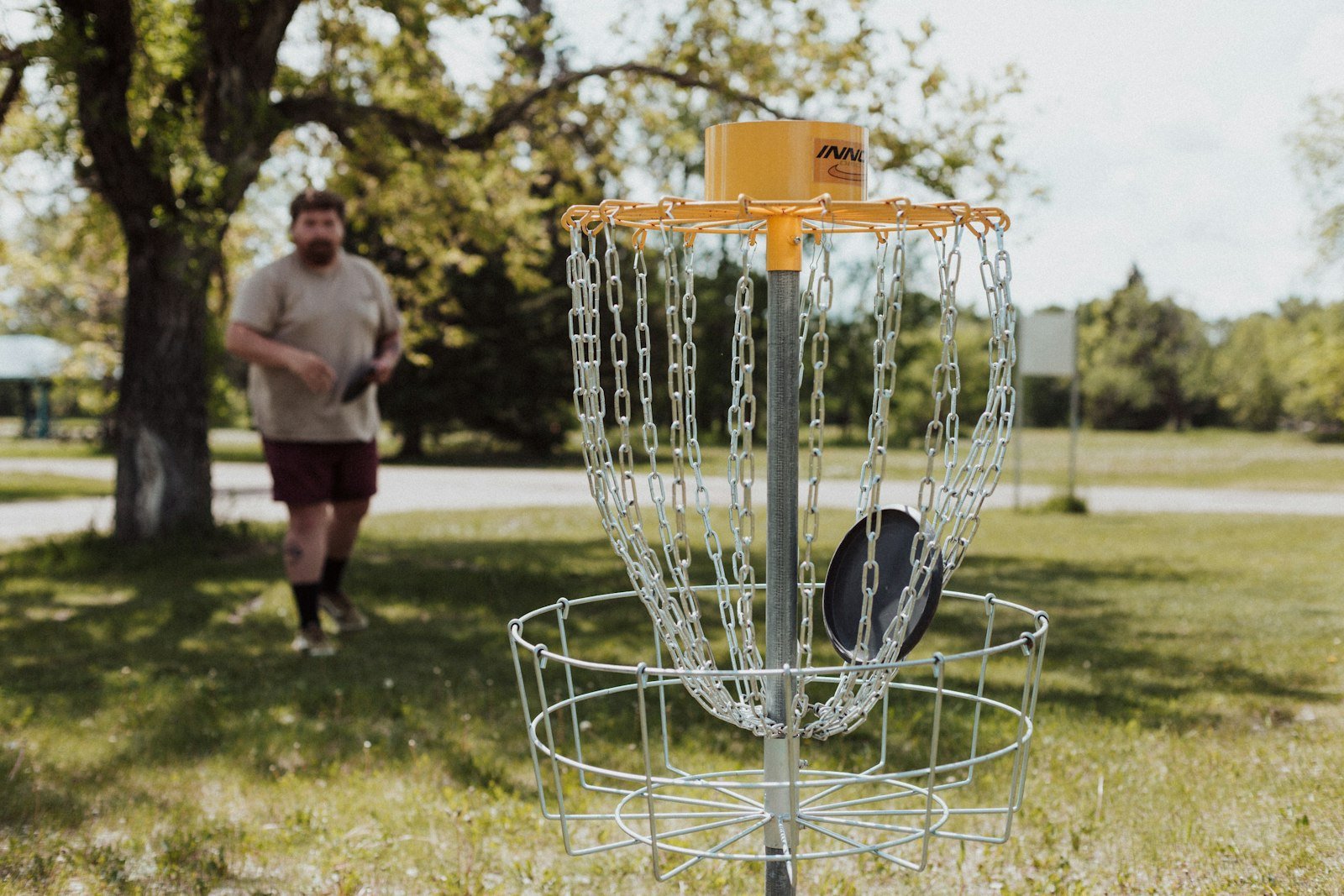
Once you have a reliable throw, extra discs start to earn their place. The goal is to solve specific problems, not to collect.
Shot-Shaping Discs
Some discs curve one way early and the other way late. An understable disc turns over, and an overstable disc resists turning and fades hard. Adding one of each lets you bend shots around trees on purpose.
A Second Throwing Style
If you learn the sidearm throw, you will reach for different discs. Our walkthrough on how to throw forehand in disc golf explains why some discs suit that motion better than your backhand favorites.
Different Conditions
Wind and wet weather change how discs fly. A heavier overstable disc holds a line in a headwind, and a lighter one floats farther when the air is calm. Players who tour in different weather usually end up with a bag of 10 to 20 discs for this reason.
If you ever play sanctioned events, remember your discs must be approved. The Professional Disc Golf Association keeps a list on its approved disc certification page, and the major brands meet it by default.
Do You Need a Disc Golf Bag?
Not at first. With one to three discs, a backpack or a tote does the job. A dedicated bag starts to help once you carry more discs, because it keeps them organized and makes walking a round more comfortable.
Whatever you carry, a few small extras are worth packing:
- A water bottle and a small towel for wet or dusty discs.
- A light rain jacket or umbrella, since courses rarely have shelter.
- A mini marker disc if you play leagues or tournaments.
- A permanent marker to put your name and phone number on every disc.
Labeling is the cheapest insurance in the sport. Discs get lost in tall grass and ponds all the time, and a phone number gets them back.
Mistakes That Waste Money
Most overspending starts with guessing how many discs do you need for disc golf and then buying to match the guess. I see the same few errors over and over. Avoid these and you will save more than you expect.
Buying drivers first. Beginners almost always throw midranges farther and straighter than distance drivers. Save the fast discs for later.
Chasing the newest release. A disc that matches your throw beats a disc with a buzzy name. Stay with the ones you trust.
Carrying everything. Discs you do not understand add weight without adding shots. If a disc has not left your bag in a month, it does not belong there.
Skipping practice. Ten minutes of throwing your one favorite disc at a tree will improve your score faster than any purchase.
Frequently Asked Questions
Can You Play Disc Golf With Just One Disc?
Yes. Many coaches recommend it. One midrange or putter teaches you a consistent flight and keeps the learning curve gentle.
How Many Discs Do You Need for Disc Golf as a Beginner?
Most beginners do well with three discs: a putter, a midrange and a fairway driver. Many starter packs are built this way. Going up to six gives you backups once you know what you like.
How Many Discs Do the Pros Carry?
Professionals typically carry 15 to 25 discs, often in several versions of the same mold. They play in all kinds of wind and terrain, which is why you do not need to copy their bag.
What Weight Disc Should a Beginner Use?
For most adults, 165 to 180 grams is a good range. If you are newer or less athletic, lean toward the lighter end.
Do You Need Different Discs for Different Holes?
Eventually, yes. Tight wooded holes reward controlled midranges, and open holes reward drivers. For your first few months, though, one reliable disc handles almost every hole you will meet.
Final Thoughts
So, how many discs do you need for disc golf? Start with one, grow to three, and settle at six until your game demands more. Keep the bag light and the practice heavy.
Pick a midrange that feels good, take it to the nearest course, and throw it a few dozen times this week. The rest of the bag will earn its spot naturally.