In this Article
The reverse overlap putting grip is the standard grip used by most tour pros. Here is how to set it up, why it quiets your hands, and how it compares to the interlock, claw, and left hand low.
If you’ve ever watched a tour broadcast and noticed how a pro’s hands seem to lock together over the putter, you were probably looking at a reverse overlap putting grip. It’s the grip Tiger Woods, Rory McIlroy, and roughly two-thirds of the PGA Tour use on the greens, and it’s not complicated once you break it down into three simple moves. I teach it to almost every student who comes to me with a shaky, hands-y putting stroke, because it does one thing better than any other grip: it quiets your wrists.
In this guide I’ll walk you through exactly how to build a reverse overlap putting grip, why it works the way it does, how it compares to the interlocking and claw grips, and which putters and strokes it suits best. By the end you’ll know whether it’s worth switching to, and if it is, you’ll know exactly how to set your hands.
What Is the Reverse Overlap Putting Grip?
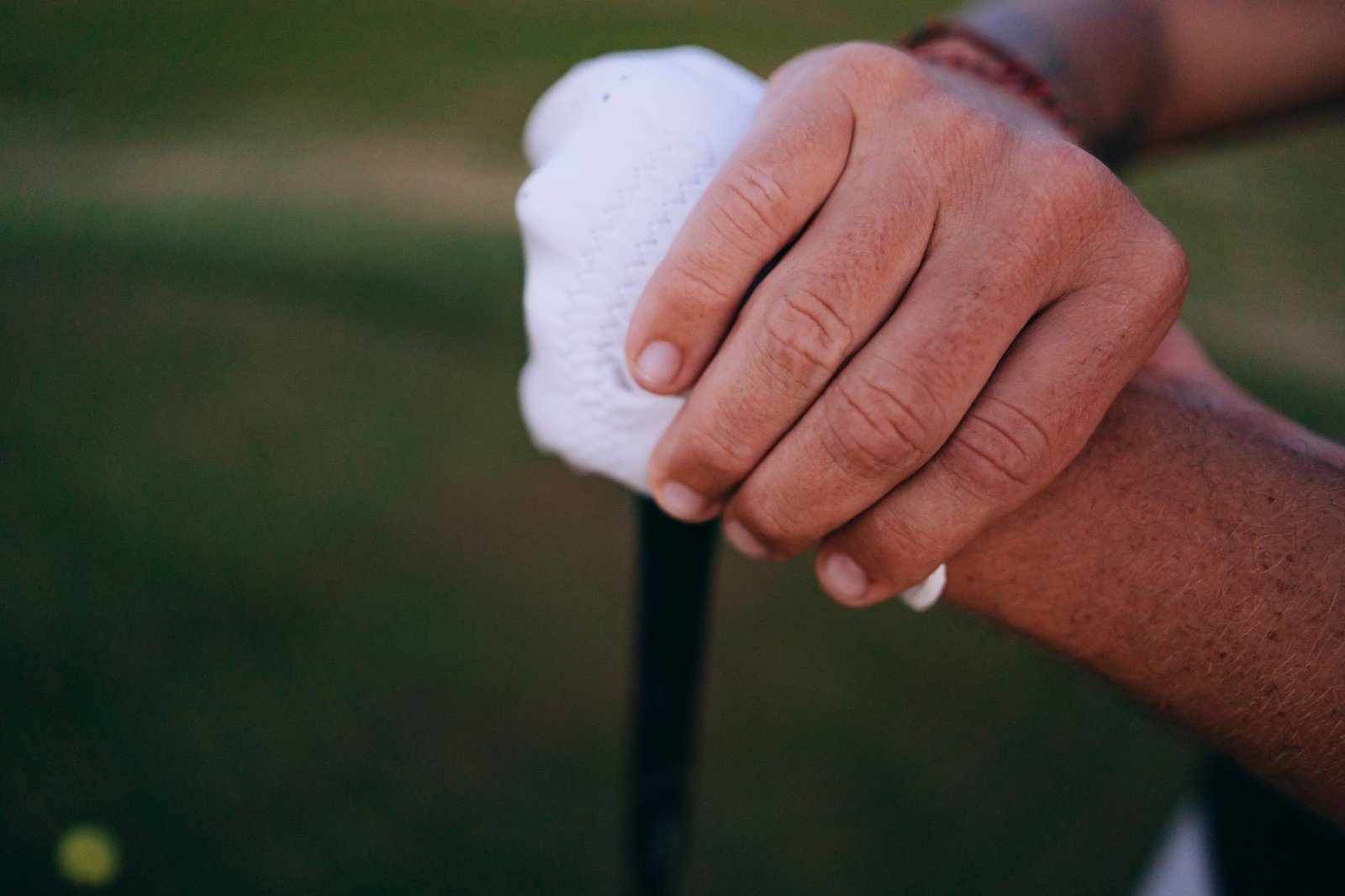
The reverse overlap putting grip is the conventional, standard grip used for putting. It flips the logic of the regular overlap grip you use for a full swing. On a driver or iron, your trail hand’s pinky rests on top of the crease between the index and middle fingers of your lead hand. On the green, you reverse that: your lead hand’s index finger lifts up and rests on top of your trail hand’s pinky and ring fingers instead.
That one small change does a lot of work. It locks your hands into a single unit without tying your fingers together the way an interlock does, which keeps the putter grip resting more in the palms than the fingers. More surface contact in the palms means less independent hand action, and less independent hand action means a putting stroke that’s driven by your shoulders instead of your wrists.

How to Set Up a Reverse Overlap Putting Grip
You can build this grip in three steps, and I’d encourage you to do it slowly the first few times rather than rushing straight to the range. Feel matters more than speed here.
- Place your trail hand first. For a right-handed golfer, set your right hand about halfway down the grip, with your thumb running along the front, flat side of the grip.
- Set your lead hand above it. Your left hand goes on top, with the grip running through both palms. The middle finger of your left hand should sit right up against your right pinky.
- Lift your lead index finger and overlap. Take your left index finger and rest it on top of your right pinky and ring fingers. This is the move that gives the grip its name, and it’s what locks your hands together.
Once your hands are in position, check your grip pressure. You want just enough tension to keep the putter secure, nothing more. I tell my students to grip on a scale of one to ten and aim for a four. If your forearms feel tight before you’ve even taken the putter back, you’re squeezing too hard and you’ll lose feel for speed.
Your palms should feel like they’re facing each other, roughly square to the target line, with the reverse overlap grip holding everything together without any extra grabbing from your fingers. If you’ve read our guide to types of golf grips, this will feel familiar — it’s the same idea of finding a hand placement that unites your hands, just applied to a much shorter, slower motion.
Why the Reverse Overlap Grip Works
Putting is a different motion than a full swing, and it needs a different kind of grip. On a full swing, you want your hands to release the club through impact so the face can square up at speed. On the greens, you want the opposite. You want the putter face to stay square through impact with almost no independent hand rotation, because even a tiny bit of face rotation on a three-foot putt can send the ball off line.
The reverse overlap putting grip solves that by taking your hands mostly out of the equation. Because your lead hand’s index finger is anchoring across your trail hand’s fingers, your hands can’t easily work independently of each other. That forces the stroke to come from a rocking of the shoulders, which is far easier to repeat than a stroke that relies on precise, matched hand timing. This is also why the reverse overlap grip helps golfers who fight the yips or a handsy, flippy stroke — it physically limits the small, panicky wrist movements that cause those misses.
There’s a second benefit that doesn’t get talked about enough: distance control. Because the reverse overlap grip keeps pressure even between both palms, it’s easier to make a stroke of consistent tempo back and through. Uneven grip pressure between your hands is one of the most common reasons golfers leave putts short or blow them well past the hole, and this grip naturally guards against it.
Reverse Overlap vs. Other Putting Grips
The reverse overlap isn’t the only option, and it’s worth knowing how it stacks up against the alternatives before you commit to it.
Reverse Overlap vs. Interlocking Putter Grip
The interlocking putter grip hooks your lead index finger and trail pinky together rather than simply resting one on top of the other. It can feel more secure for players with smaller hands, but the tighter connection sometimes pushes tension up into the forearms, which works against the light-grip-pressure goal we just talked about. The reverse overlap tends to be the more relaxed, more widely taught option of the two.
Reverse Overlap vs. Left Hand Low (Cross-Handed)
Left hand low, sometimes called cross-handed, flips your hand order so your lead hand sits below your trail hand. It’s popular with golfers who struggle to keep their lead wrist from breaking down through impact, since the setup naturally stabilizes that wrist. It’s a legitimate fix for a specific problem, but it’s a bigger change to feel and setup than the reverse overlap, which most golfers can adopt without their stroke feeling foreign.
Reverse Overlap vs. the Claw
The claw grip separates the hands almost entirely, with the trail hand pinched against the side of the grip rather than wrapped around it. Golfers switch to the claw almost always to fight the yips, since it drastically reduces trail-hand involvement. It works for some players, but it’s a more drastic change than most golfers need. I usually have students try tightening up their reverse overlap grip and pressure first before jumping to the claw.
Which Putters and Strokes Suit the Reverse Overlap Grip Best
The reverse overlap grip tends to work especially well with putters that have some toe hang, the kind designed for a slight arc stroke rather than a straight-back-straight-through path. The grip allows your hands to work together as a unit while still permitting a natural, small release through impact, which pairs nicely with an arc-style stroke.
That said, don’t let putter style talk you out of trying it. The reverse overlap grip is versatile enough to work with face-balanced mallets and straight-back-straight-through strokes too. If you’re testing a new putter or considering a fitting, it’s worth trying the reverse overlap grip with a few different head styles on the practice green before you decide what combination rolls the ball best for you.
Common Mistakes With the Reverse Overlap Putting Grip
Most of the problems I see with this grip come down to a handful of repeatable mistakes.
- Gripping too hard. This is the number one issue. A death grip on the putter kills your feel for pace, which is the single biggest factor in three-putting.
- Letting the trail hand dominate. If your trail hand does most of the work, you’ll tend to push or pull putts depending on how active that hand gets through impact. The whole point of the reverse overlap is to keep both hands working together.
- Setting up with an open or closed face. The grip itself won’t fix a putter face that’s misaligned at address. Check your face angle separately, ideally with an alignment aid, before you worry about hand position.
- Switching grips mid-round out of frustration. Give any grip change real practice time. A handful of putts on the range the day before a round isn’t enough to trust it under pressure.
If you’re also working on pressure in your full swing grip, our breakdown of golf grip pressure points is worth a read, since the same light-grip principles that help your putting stroke carry over to the rest of your bag.
It’s also worth noting that the reverse overlap grip used for putting is a completely different setup than the reverse overlap grip used in the full swing. They share a name and a similar overlapping concept, but they’re built for two very different motions, so don’t assume mastering one automatically transfers to the other.
For more background on how tour pros use this grip and why it became the standard, GOLF.com’s breakdown of the reverse overlap putting grip is a solid outside resource, and Pitchmarks has a detailed step-by-step guide with additional photos if you want a second visual reference.
Frequently Asked Questions
Is the reverse overlap grip good for beginners?
Yes. It’s actually the grip most instructors default to when teaching a brand-new golfer how to putt, because it’s intuitive and doesn’t require locking your fingers together. If you’re just starting out, this is a reasonable default before you experiment with anything more unusual.
Does the reverse overlap grip help with the yips?
It can help mild cases by reducing independent hand action, but it isn’t a guaranteed fix. Golfers with a more severe case often need a bigger change, like the claw or a left hand low setup, to break the pattern. Start with the reverse overlap and light grip pressure first, since it’s the smallest change with the least to unlearn.
Which fingers overlap in a reverse overlap putting grip?
Your lead hand’s index finger lifts up and rests on top of your trail hand’s pinky and ring fingers. Every other finger stays wrapped around the grip as normal.
How tight should my grip pressure be with a reverse overlap putting grip?
Light. Aim for about a four out of ten, just firm enough that the putter can’t slip or twist in your hands. Most amateurs grip far tighter than they realize, and that tension is one of the fastest ways to lose distance control on the greens.
Can the reverse overlap putting grip work with any putter?
Yes. It works with face-balanced mallets and toe-hang blades alike, though it tends to pair especially naturally with putters designed for a slight arc stroke. Try it with your current putter before assuming you need new equipment.
How long does it take to get used to a new putting grip?
Give it at least a few practice sessions, not just a handful of putts. It’s normal for a new grip to feel awkward for the first day or two. Judge it on whether your speed control and start line improve over a full week of practice, not your first ten putts.
Final Thoughts
The reverse overlap putting grip earns its spot as the tour standard because it solves a real problem: it keeps your hands from working against each other on a stroke that rewards stillness and repeatability. Set your trail hand first, stack your lead hand above it, lift that lead index finger over your trail pinky and ring finger, and keep your grip pressure light. Give it real practice time before you judge it, and pay attention to whether your speed control improves, not just whether it feels comfortable on day one. That’s the real test of any putting grip.
Where to Shop
Affiliate links – we may earn a small commission at no extra cost to you, and it never changes what we recommend.
- Oversize putter grips – quieten the hands, which is the point of reverse overlap.
- Pistol grips – the traditional shape that suits this hold well.
- Putting mirrors – checks eye line and shoulder alignment.
- Practice mats – grooving a new grip needs repetition more than range time.