In this Article
A practical buying guide to golf cart windshields: types, materials, street-legal requirements, pricing, installation, and how to keep one clear and scratch-free.
The first time a cool morning fog or a surprise afternoon shower hits you at speed in an open cart, you understand why a golf cart windshield is one of the most requested upgrades I hear about from students and neighbors alike. A windshield turns a cart from a fair-weather ride into something you can actually use year-round, cutting wind, bugs, road debris, and rain out of the equation without turning the thing into a golf cart with a roof and doors. It sounds like a simple accessory, but the choices underneath it (style, material, tint, legality) trip up more buyers than you’d expect.
This guide covers everything that actually matters when you’re shopping for a golf cart windshield: the real differences between full, hinged, and flip-up styles, what polycarbonate and acrylic mean for durability, whether your state requires a specific type to make your cart street legal, what a fair price looks like in 2026, and how to keep the thing clear and scratch-free for years. I’ll also flag the mistakes I see golfers make most often, like assuming any clear panel counts as “street legal.”
Do You Actually Need a Golf Cart Windshield?
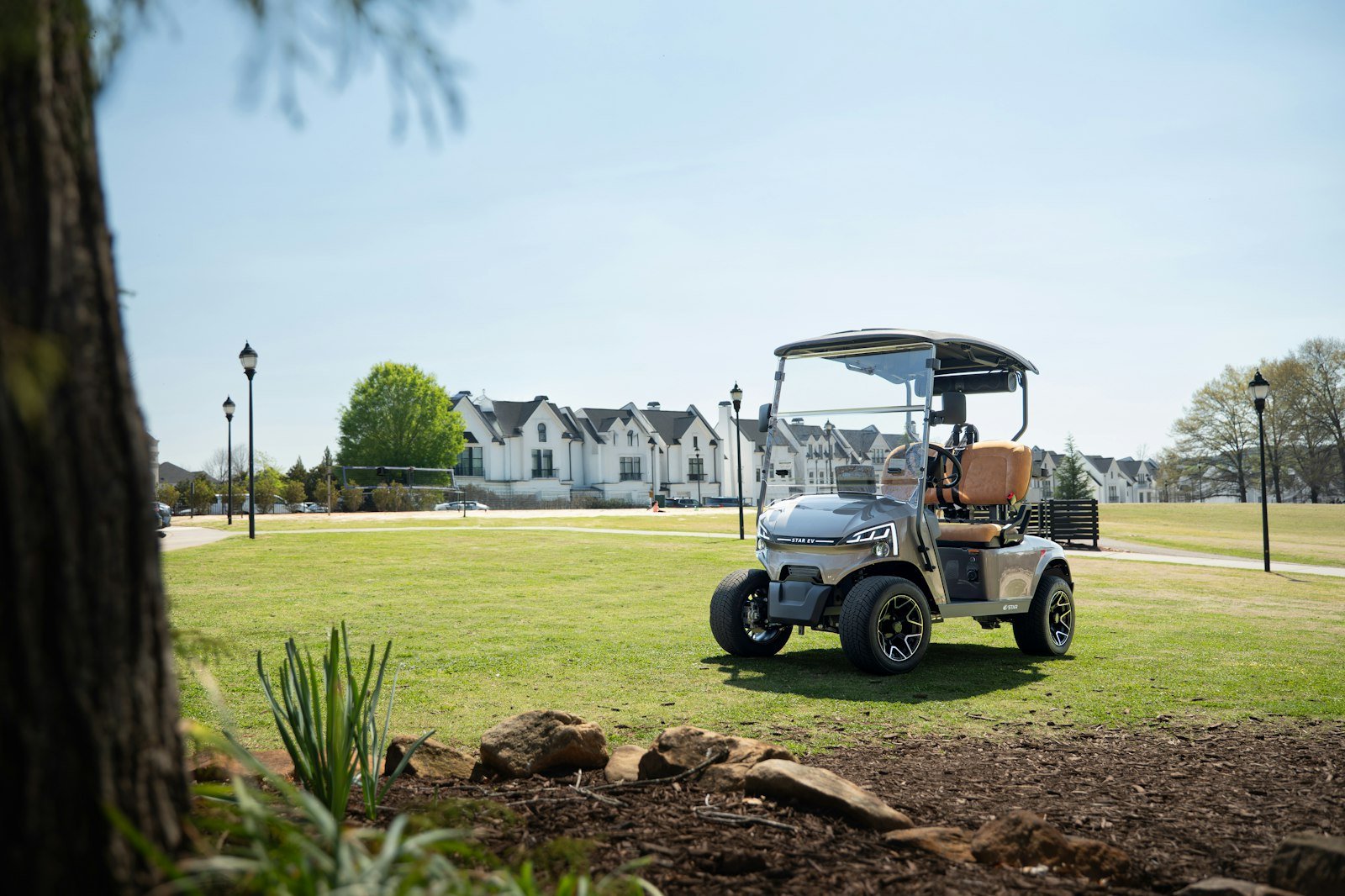
Most stock carts ship with a canopy roof and nothing else, which is fine on a calm, dry afternoon and miserable the moment weather turns. A golf cart windshield closes that gap. It blocks wind chill on cool mornings, keeps rain off your lap on the front nine, and stops the gravel spray a cart kicks up on dusty paths from hitting you in the face at 15 mph.
If you play year-round, commute around a neighborhood or retirement community, or you’re prone to watery eyes and wind-burned skin on cart-heavy rounds, a windshield earns its keep fast. It’s also one of the cheapest ways to make an older cart feel noticeably more finished and comfortable, right alongside a good golf cart fan for the opposite problem of too much heat instead of too much wind.
Types of Golf Cart Windshields
Not every golf cart windshield works the same way, and the style you pick changes both how you use the cart day to day and how long it holds up. Three main types cover almost everything on the market.
Full or Straight-Through Windshields
A full windshield is a single fixed panel that runs from the roof down to the dash, exactly like a small car windshield. It’s the simplest, cheapest, and sturdiest option since there are no hinges or moving parts to wear out. The tradeoff is airflow: with the panel fixed in place, you lose the option to open it up on a hot day, so it pairs best with carts that already have good ventilation elsewhere.
Hinged (Fold-Down) Windshields
A hinged golf cart windshield attaches at the top of the frame and swings down flat against the hood when you want it out of the way, then locks back upright when you need protection again. This is the style you’ll see on cart fleets at resorts and clubs, where staff fold the windshields down for storage or a quick wipe-down between rounds.
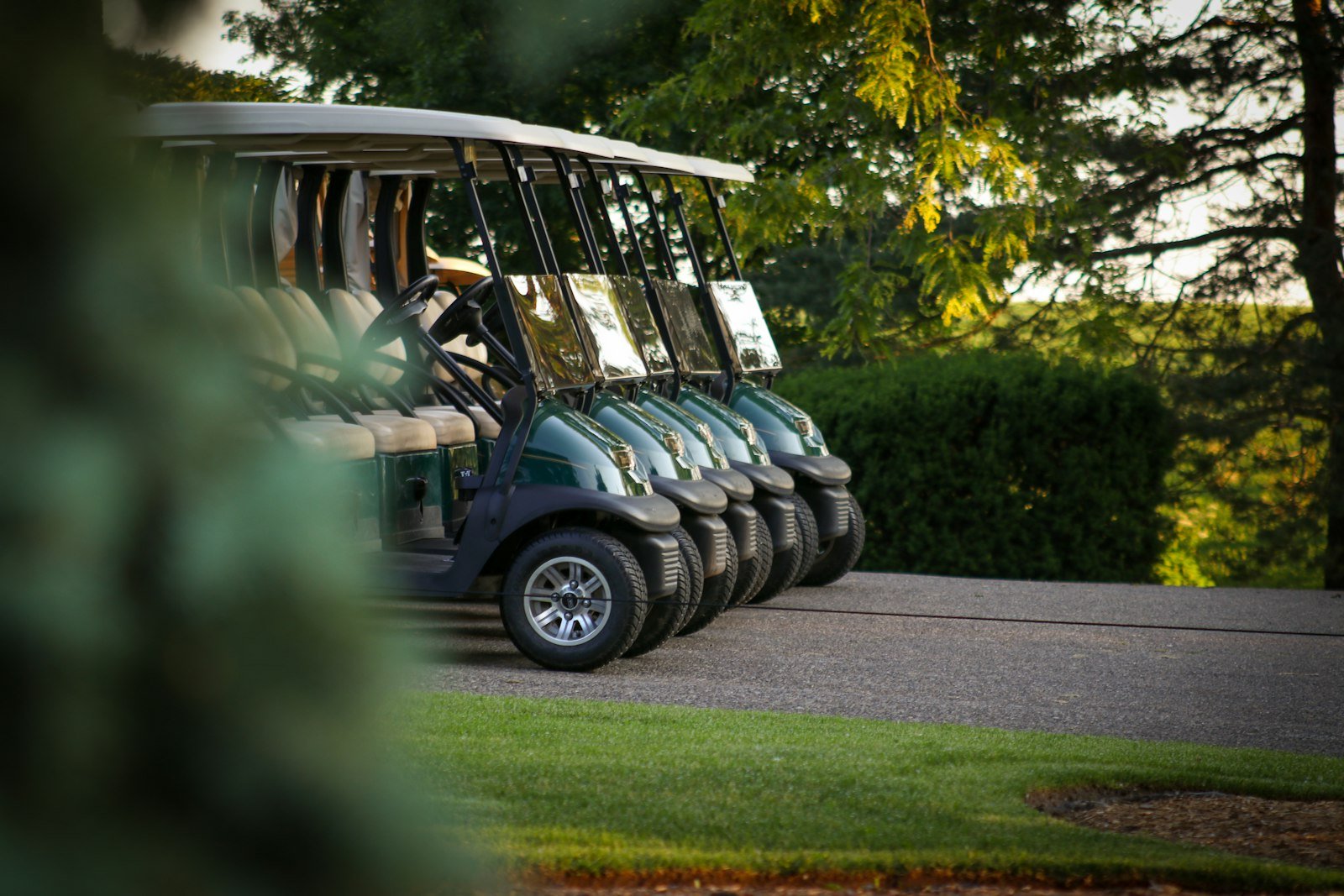
The one thing worth checking before you buy: look for hinges with UV-stabilized plastic or stainless hardware. Cheap hinges left in direct sun for a season or two turn brittle and start cracking right where they take the most stress.
Flip-Up Windshields
A flip-up windshield splits the panel so the top half tilts outward and locks at an angle, venting air over the top while the bottom half still blocks wind and debris at seat level. It’s the most popular style for exactly that reason: full protection when you want it, real airflow when you don’t, without removing anything or storing loose parts.
Tinted vs. Clear Golf Cart Windshields
Tinted windshields cut glare and block a meaningful amount of UV, which matters if you’re out for four hours in direct sun. Clear windshields give you unobstructed visibility and, as covered below, are usually the only option if you need the cart to be street legal. If you’re torn, think about where the cart actually spends its life: a course-only cart benefits more from tint, while a cart that also runs neighborhood streets should stay clear unless you’ve confirmed your local rules allow otherwise.
What Are Golf Cart Windshields Made Of?
Nearly every golf cart windshield on the market is polycarbonate, acrylic, or PVB (polyvinyl butyral), usually in a 3/16-inch or 1/4-inch thickness. Acrylic is the budget-friendly option: it’s clear, rigid, and holds up fine to normal weather, but it’s more prone to cracking on a hard impact and scratches a bit more easily than polycarbonate.
Polycarbonate costs more but is dramatically tougher, which is why it shows up on most windshields rated for street-legal use and higher-end aftermarket kits. It flexes instead of shattering under impact, resists yellowing better over time, and is the material you want if the cart sees real daily use rather than the occasional weekend round. PVB, a laminated safety-glass style material, shows up less often but offers the best impact resistance of the three, typically on premium OEM windshields.
Is a Golf Cart Windshield Street Legal?
This is where most golfers get tripped up. Not every clear panel that looks like a windshield actually meets the standard your state requires for a street-legal low-speed vehicle (LSV). Under federal rules, a low-speed vehicle’s windshield has to meet Federal Motor Vehicle Safety Standard No. 500 for low-speed vehicles, which in turn points back to the glazing requirements in Standard No. 205 on glazing materials. In practice, that means the glazing has to meet the ANSI/SAE Z26.1 specification for AS-1 or AS-4 safety glazing, not just any clear plastic sheet cut to fit.
A few practical takeaways if you’re pursuing street-legal registration: look for a windshield explicitly marketed as AS-1 or AS-4 rated, expect a thickness around 3/16 inch or more, and don’t assume a bargain aftermarket panel qualifies just because it’s clear and rigid. Most states also don’t allow tint on a street-legal LSV windshield, so if registration is the goal, stick with a certified clear option and confirm your specific state’s requirements before you buy, since LSV rules vary more between states than most golfers expect.
OEM vs. Aftermarket Golf Cart Windshields
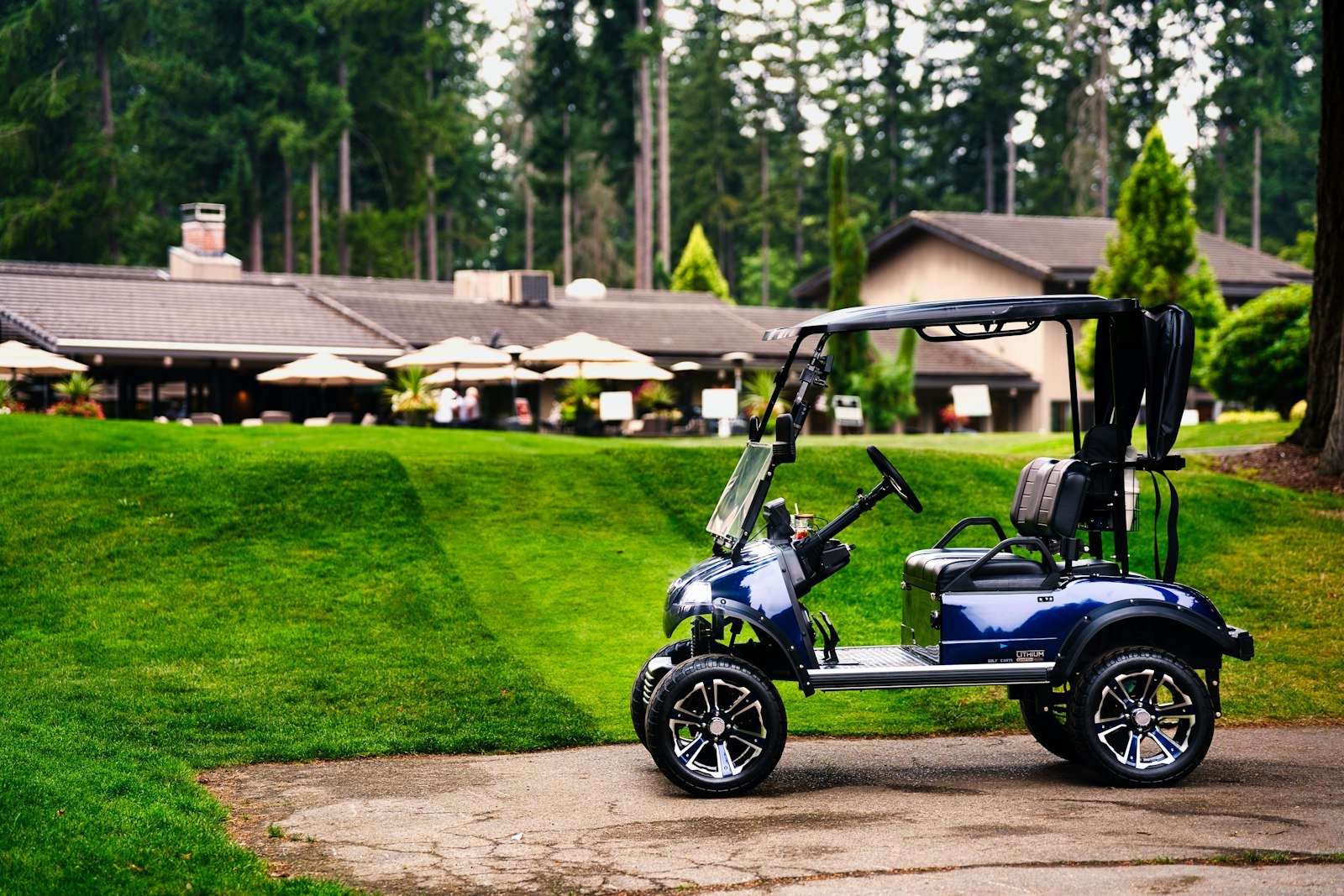
An OEM golf cart windshield is made by the same brand that built your cart, engineered to bolt onto the existing frame points with no modification. Installation is close to foolproof, and the fit and finish usually matches the rest of the cart, but you’ll pay more and have fewer style choices than the aftermarket market offers.
Aftermarket windshields come from dozens of manufacturers and cover a much wider range of prices, styles, and tint options. The catch is fit: aftermarket brackets are designed around common frame dimensions, and while most fit Club Car, E-Z-GO, and Yamaha carts without issue, always check compatibility against your specific model and year before ordering. If you’re not sure what your cart’s factory equipment even looked like, our Club Car vs E-Z-GO vs Yamaha comparison is a good place to check frame and trim differences across the big three brands.
How Much Does a Golf Cart Windshield Cost?
A basic acrylic straight-through windshield runs $70 to $150 for most standard cart models, and it’s the cheapest way to add real wind and debris protection. Polycarbonate versions in the same straight-through style typically land at $100 to $250, reflecting the tougher, more scratch-resistant material.
Hinged and flip-up styles cost more because of the added hardware, generally $150 to $350 for a quality aftermarket kit. OEM windshields sit at the top of the range, often $200 to $600 depending on brand and whether it includes a tint or AS-4 street-legal certification. Installation is usually a DIY job that takes 20 to 40 minutes with basic hand tools, so factor in maybe $50 to $100 in shop labor only if you’d rather not do it yourself.
How to Install a Golf Cart Windshield
Most aftermarket and OEM windshields bolt onto existing mounting points on the roof struts and front frame, no drilling required if the kit matches your cart model. Start by confirming your cart’s year and model against the kit’s fitment chart; this is the step most return requests trace back to.
- Clean the mounting points first. Dust, wax, and old adhesive residue on the frame make brackets sit slightly off, which shows up later as rattling or an uneven gap.
- Snug the hardware in stages. Tighten bolts partway on all mounting points before fully torquing any single one, so the frame doesn’t get pulled slightly out of square.
- Check hinge or latch action before you drive. A flip-up or fold-down windshield should move smoothly and lock securely in both positions; a stiff or loose hinge usually means a bracket needs adjusting.
If your cart has an unusual or heavily customized frame, it’s worth a quick call to the manufacturer or a local cart shop before you order, since a mismatched bracket is the single most common installation headache.
Caring for Your Golf Cart Windshield
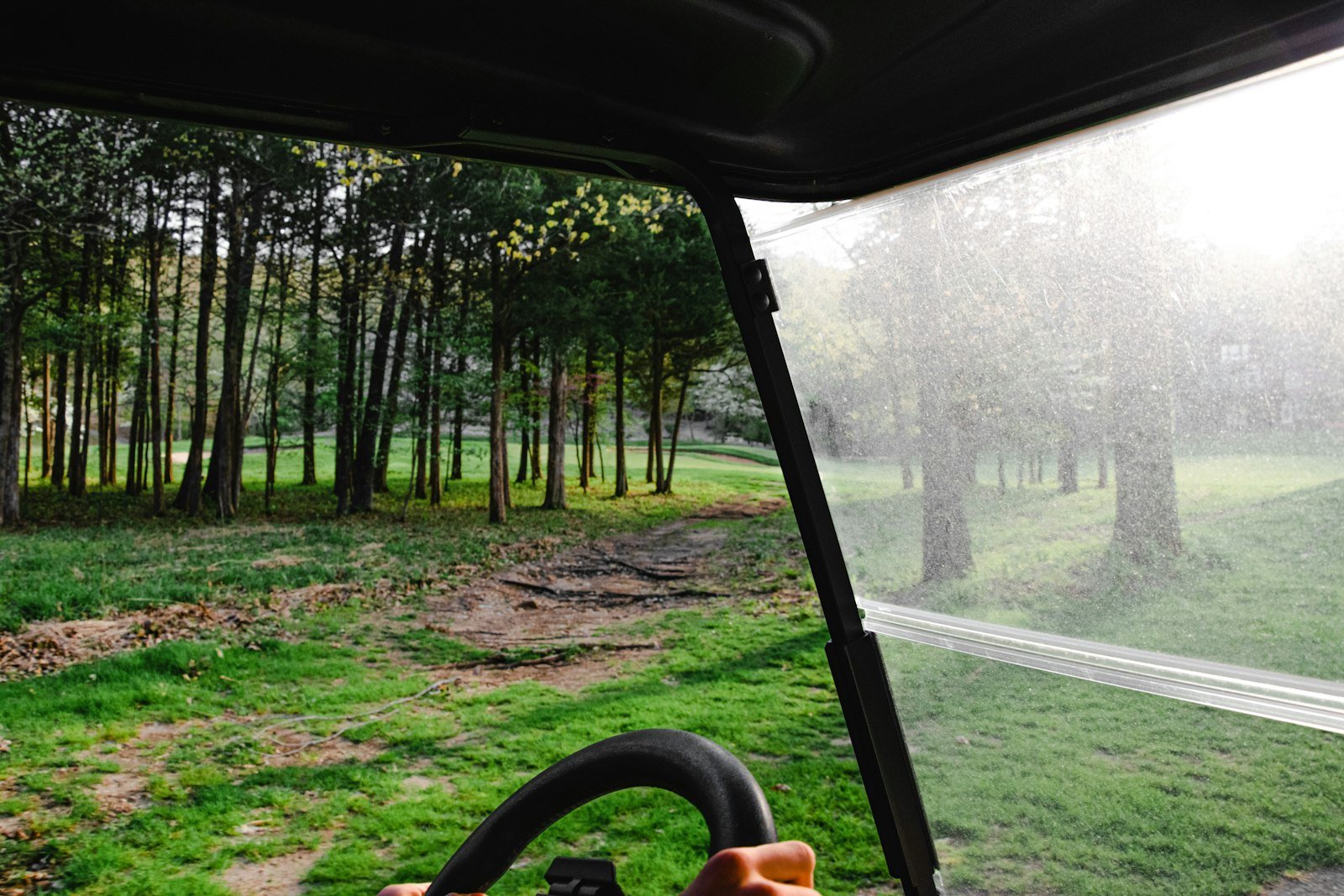
A golf cart windshield is plastic, not glass, and that changes how you should clean it. Skip standard glass cleaners like Windex entirely. Ammonia-based cleaners react badly with acrylic and polycarbonate and cause the exact hazy, foggy look you’re trying to avoid.
Rinse with plain water first to knock off loose dirt and grit, then wash with a soft microfiber cloth and a mild dish soap solution. Dry with a clean, dry microfiber towel rather than a paper towel, which is abrasive enough to add fine scratches over time. An ammonia-free plastic cleaner finishes the job and helps prevent the static buildup that attracts dust between washes.
Light scratches respond well to a plastic polish worked in gentle, overlapping circles, then buffed clean. Deeper scratches need a wet-sanding approach, working through progressively finer grits before polishing and sealing, which is a legitimate DIY fix but one best attempted on a windshield you’re not worried about making worse if it doesn’t go perfectly. Either way, a wax or sealant made for acrylic and polycarbonate adds a protective layer that makes the next cleaning easier and slows down new scratches from forming.
Frequently Asked Questions
Do all golf carts fit standard windshields?
Most Club Car, E-Z-GO, and Yamaha models share similar enough frame dimensions that a well-reviewed aftermarket golf cart windshield will fit without modification, but always check the kit’s specific fitment chart against your cart’s year and model first. Custom or older carts sometimes need a model-specific OEM part instead.
Can I put a tinted windshield on a street-legal golf cart?
Generally, no. Most states require a clear, AS-1 or AS-4 certified windshield for a low-speed vehicle to be registered street legal, and tinting typically isn’t allowed on that certified panel. If street use matters to you, confirm your specific state’s LSV requirements before adding tint.
How long does a golf cart windshield last?
A well-maintained polycarbonate windshield can last 5 to 10 years or more before yellowing or scratching enough to need replacement. Acrylic versions tend to show wear a bit sooner, especially in intense sun, but proper cleaning and the occasional polish extend either material’s usable life considerably.
Can I install a golf cart windshield myself?
Yes, for the vast majority of hinged, flip-up, and straight-through kits. Most bolt onto existing mounting points with basic hand tools in well under an hour. The main thing to get right is confirming fitment before you start, since a mismatched bracket is the most common source of a frustrating install.
Why is my golf cart windshield turning yellow or hazy?
UV exposure over time breaks down the surface of both acrylic and polycarbonate, causing gradual yellowing, and using the wrong cleaner accelerates it further. Ammonia-based glass cleaners are the most common culprit behind sudden fogging. Switching to an ammonia-free plastic cleaner and adding a UV-protectant wax slows the process significantly.
What’s the difference between AS-1 and AS-4 glazing?
Both are ANSI/SAE Z26.1 safety glazing ratings referenced in federal low-speed vehicle standards, and either can satisfy the windshield requirement for a street-legal LSV. The practical difference for most golfers comes down to what a given manufacturer certifies their windshield to, so check the product listing for one of these two ratings rather than assuming any clear panel qualifies.
Bottom Line
A golf cart windshield is one of the more worthwhile upgrades you can make, and picking the right one comes down to three decisions: the style that matches how you actually use the cart, a material that holds up to your climate and mileage, and, if street-legal registration matters, confirming AS-1 or AS-4 certification before you buy rather than after. Get those three right and the windshield you install this season should still look clear and function well years from now.
If you’re outfitting the rest of the cart at the same time, our golf cart batteries guide is a good next stop for anyone weighing a power upgrade alongside new accessories this season.