In this Article
The best golf grips for arthritis are soft, oversized and tacky so stiff fingers don't have to squeeze. Here are seven comfortable picks, how to size them and how to test before you regrip.
Finding the best golf grips for arthritis is one of the most practical changes an older golfer or anyone with stiff, achy hands can make. I see it every season on the lesson tee: a student who has started dreading the first tee because squeezing a thin, slick grip hurts. Swap the grips and the club suddenly feels easier to hold.
Quick answer: the best golf grips for arthritis are soft, tacky and larger than standard, usually midsize or jumbo, so your fingers don’t have to close tightly or squeeze hard. Top picks are the Golf Pride CP2 Pro, Winn Dri-Tac Oversize, Lamkin Arthritic, SuperStroke Cross Comfort and JumboMax for very stiff hands.
One honest note before we start: grips are a comfort upgrade, not a treatment. If you have ongoing joint pain, swelling or numbness, see a doctor or physio first.
Table of Contents
Best Golf Grips for Arthritis: Quick Picks
Here’s the short list I’d hand a student with sore hands. Prices are rough per-grip figures from major US grip retailers as of November 2026, and they move with size and seller, so check before you buy.
| Grip | Best for | Feel | Sizes for sore hands | Approx. price per grip |
|---|---|---|---|---|
| Golf Pride CP2 Pro | Best overall | Very soft, low torque | Midsize, Jumbo | About $10–$13 |
| Winn Dri-Tac (Oversize) | Softest cushioning | Soft, tacky polymer | Midsize, Oversize | About $9–$13 |
| Lamkin Arthritic | Purpose-built option | Soft, built-up shape | Midsize | About $9–$12 |
| SuperStroke Cross Comfort | Tacky hold without squeezing | Soft polyurethane, X pattern | Midsize, Jumbo | About $9–$12 |
| Golf Pride CP2 Wrap | Wrap feel lovers | Soft, wrap texture | Midsize, Jumbo | About $9–$12 |
| JumboMax | Very stiff or large hands | Light, cushioned | Several sizes beyond jumbo | About $13–$18 |
| Avon Chamois | Budget pick | Soft, classic | Jumbo | About $5–$8 |
What Makes a Golf Grip Good for Arthritic Hands?
Before we get to models, it helps to know what actually separates the best golf grips for arthritis from ordinary grips. Four things matter far more than the logo on the grip.
1. A Larger Diameter
A thicker grip means your fingers don’t have to curl as far to hold the club. For stiff knuckles, that’s the single biggest comfort win. Most golfers with sore hands end up in midsize (about +1/16″) or jumbo (about +1/8″). Our full golf grip size chart shows the diameters and glove sizes that go with each.
2. A Soft, Cushioned Compound
Firm, corded grips are great for tour players in humid weather. They are not great for sore joints. Softer rubber or polymer grips soak up more vibration at impact, especially on thin shots on a cold morning.
3. Tackiness, So You Can Hold Lightly
A tacky surface lets you hold the club securely with light pressure. That matters because the urge to squeeze is exactly what makes arthritic hands ache by the back nine. If a grip feels slippery, you’ll clamp down without noticing.
4. Sensible Weight
Bigger grips are usually heavier, which makes the clubhead feel lighter. Some lightweight oversize models avoid most of that. If your clubs were fitted to a specific feel, read our guide to swing weight for senior golfers before you go jumbo on every club.
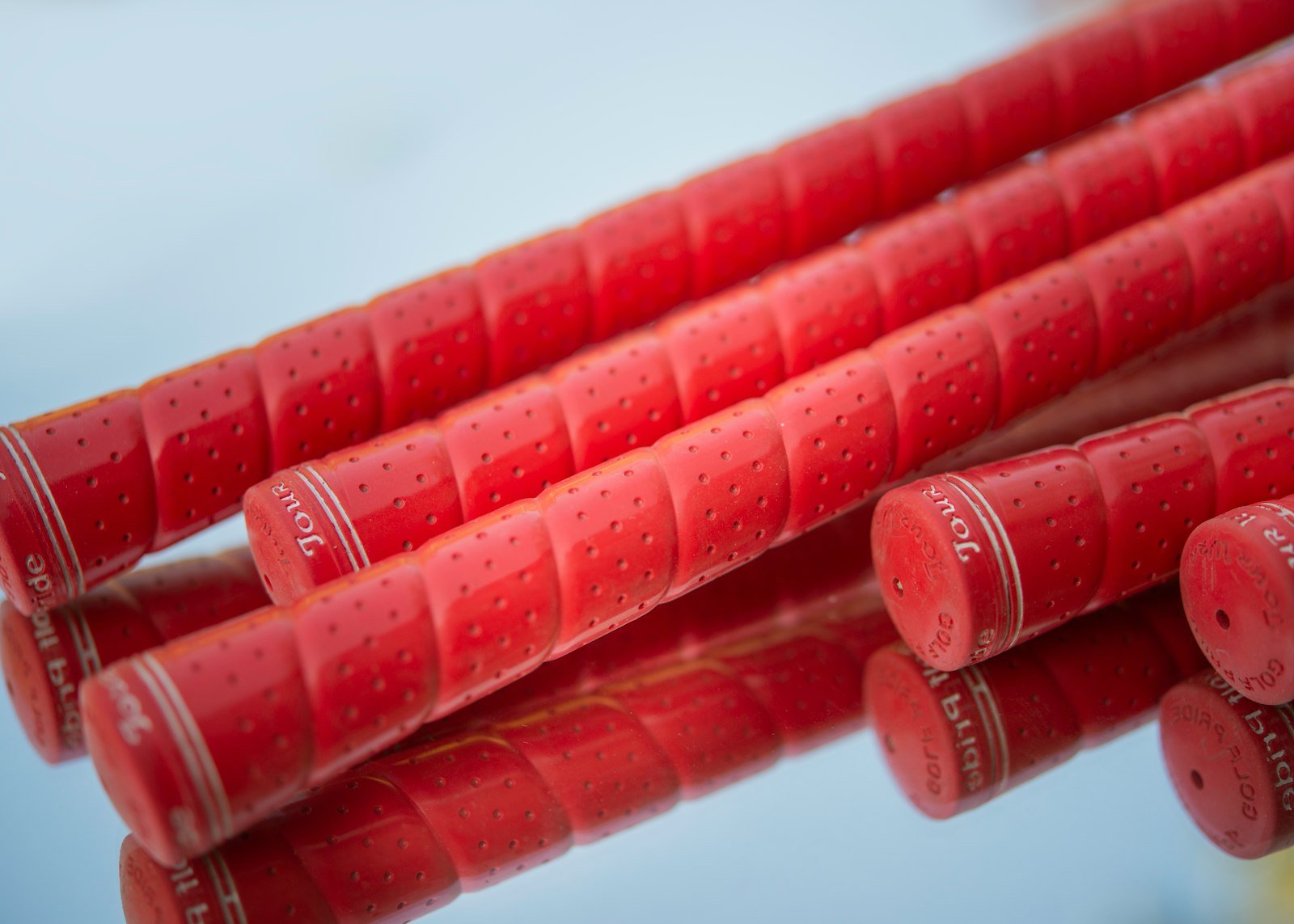
The 7 Best Golf Grips for Arthritis, Reviewed
I haven’t run lab tests on these grips, so I’m not going to pretend I have. What follows is how each one is built, what the manufacturers say, and what owners commonly report in retailer reviews and golf forums, filtered through what I look for when fitting students with sore hands.
1. Golf Pride CP2 Pro: Best Overall
The CP2 Pro pairs a very soft outer material with a firmer inner core that Golf Pride designed to limit twisting. In plain terms, it feels cushioned in your hands but doesn’t feel mushy through the swing. It comes in midsize and jumbo, which covers most arthritic hands.
- Pros: very soft feel, stable through impact, widely stocked, easy for any shop to install.
- Cons: the soft surface wears faster than firm grips, and owners say it can get slick when dirty.
- Who it suits: most golfers with stiff or sore hands who still want a normal-looking grip.
2. Winn Dri-Tac Oversize: Softest Cushioning
Winn built its name on soft polymer grips, and the Dri-Tac is its best-known model. Owners regularly describe it as the most cushioned grip they’ve used, and the tacky surface means you can hold lightly. The oversize version is a common recommendation in senior and arthritis threads on golf forums.
- Pros: excellent shock absorption, tacky in dry conditions, good value.
- Cons: the soft polymer can tear or wear quickly with heavy use, and some players find it too soft for feel.
- Who it suits: golfers whose main complaint is the jolt at impact.
3. Lamkin Arthritic: Purpose-Built Option
Lamkin is one of the few big grip makers with a model literally named for this problem. The Lamkin Arthritic grip is sold in a midsize build with a softer feel aimed at golfers who struggle to close their hands fully. It’s a straightforward, no-gimmick choice.
- Pros: designed specifically for sore hands, midsize out of the box, fairly priced.
- Cons: fewer size options than some rivals, and stock is patchier at big-box stores.
- Who it suits: golfers who want a ready-made arthritis grip without experimenting.
4. SuperStroke Cross Comfort: Tacky Hold
The Cross Comfort uses a soft, tacky polyurethane outer layer with an X-shaped surface pattern for traction. Owners like that it feels secure with very little pressure. It’s available in standard, midsize and jumbo.
- Pros: grippy without squeezing, soft feel, bold color options.
- Cons: polyurethane grips tend to show wear sooner than rubber, and some owners report the tack fades.
- Who it suits: golfers who feel the club slipping and grip too hard as a result.
5. Golf Pride CP2 Wrap: For Wrap Fans
This is the CP2 family’s softer, wrap-style sibling. If you’ve always liked the leather-wrap look and feel, it’s the most comfortable way to keep it. Like the CP2 Pro, it’s offered in midsize and jumbo.
- Pros: soft, classic wrap texture, good value.
- Cons: less traction in wet weather than textured grips.
- Who it suits: traditionalists with sore hands who play mostly in dry conditions.
6. JumboMax: For Very Stiff Hands
JumboMax goes well beyond a normal jumbo, with several extra-large sizes and lightweight constructions. For golfers whose fingers barely close, this is often the grip that makes golf comfortable again. It’s the priciest option here, and a full set adds up fast.
- Pros: the largest sizes available, lighter than you’d expect, very little finger closure needed.
- Cons: expensive, looks unusual, and can make it harder to release the club.
- Who it suits: severe stiffness or very large hands. Read our jumbo golf grips pros and cons breakdown first.
7. Avon Chamois: Budget Pick
The Avon Chamois has been around for decades and remains one of the cheapest soft grips you can buy. The jumbo version gives you a fat, cushioned handle for a fraction of the premium price. Owners on golf forums often call it the best-value soft grip on the market.
- Pros: very cheap, soft, easy to find online.
- Cons: less durable and less refined than premium grips.
- Who it suits: anyone testing whether bigger, softer grips help before spending more.
How to Choose the Right Size
Even the best golf grips for arthritis won’t help if the size is wrong. Too small and you squeeze. Too big and you lose control of the clubface. Here’s the starting point I use with students who have stiff hands.
| Your hands | Typical men’s glove | Starting grip size | Notes |
|---|---|---|---|
| Average hands, mild stiffness | M or M/L | Midsize | Or standard plus 2–4 extra tape wraps |
| Average hands, moderate stiffness | M/L or L | Midsize to jumbo | Test both before committing |
| Large hands, any stiffness | L or XL | Jumbo | Watch for added weight |
| Fingers barely close | Any | Jumbo or specialist XL sizes | Lightweight oversize models help |
Golf Pride makes a similar point in its post on the benefits of oversize grips: bigger handles reduce grip pressure and tension. If you’re torn between two sizes, our midsize vs standard golf grips comparison walks through the trade-offs.
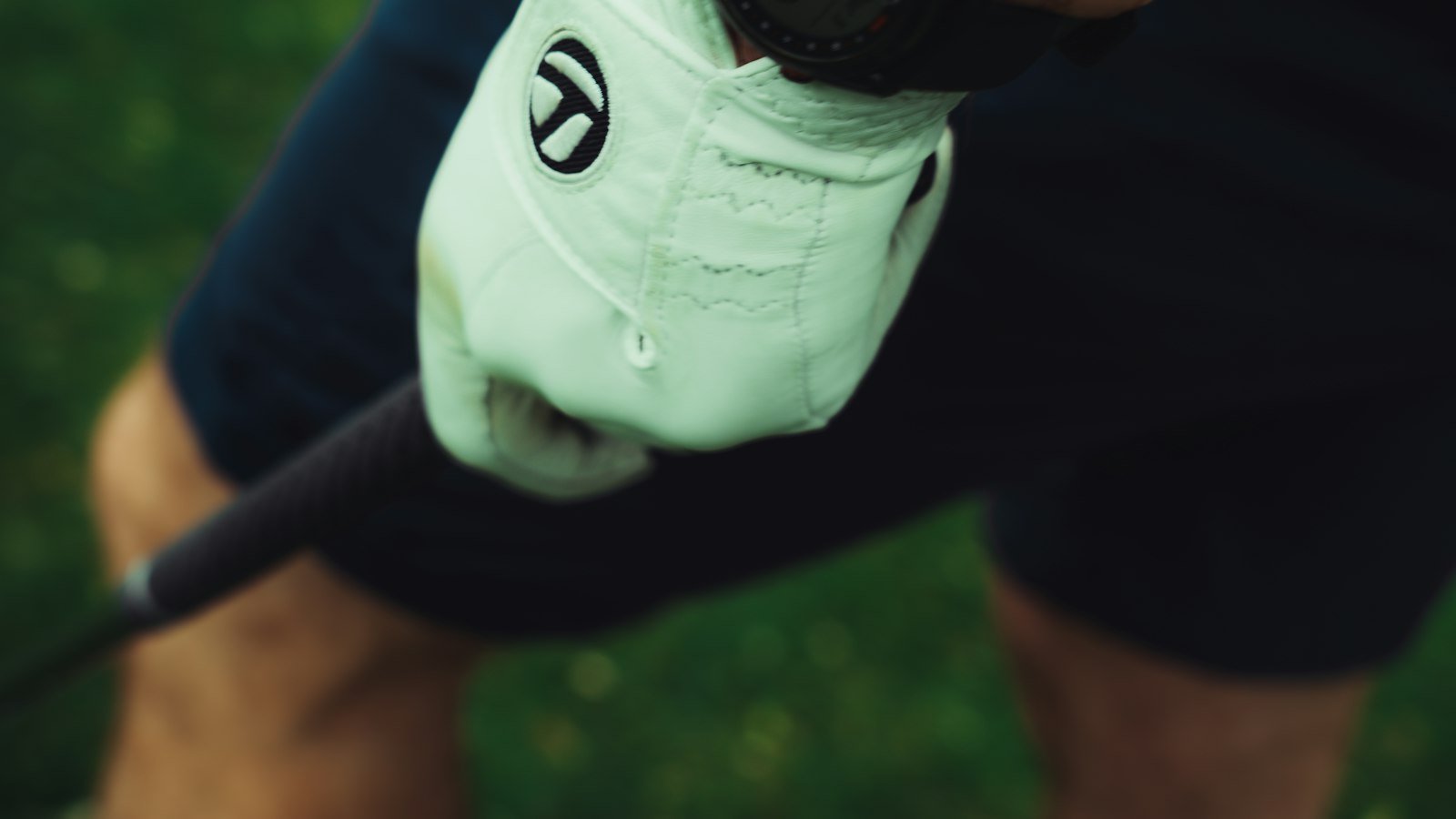
How to Test Arthritis Grips Before Regripping Your Whole Set
Regripping 13 clubs with a premium oversize grip can cost well over $150. Here’s the cheaper way I recommend.
- Visit a shop with a grip wall and hold every soft model you’re considering in midsize and jumbo.
- Close your hand fully on each one. You want your fingertips lightly touching your palm, not digging in and not floating.
- Buy two grips: one midsize and one jumbo, ideally on the same club (a 7-iron works well).
- Hit at least two buckets with each, then play nine holes. Note comfort on the back nine, not the first few swings.
- Watch your ball flight. If the ball starts drifting right with the bigger grip, it may be too large.
- Only then regrip the rest of the set in the winner.
Soft grips also wear faster, so plan on replacing them sooner than firm ones. Our guide on how often you should regrip golf clubs covers the signs to watch for.
Common Mistakes When Buying Arthritis Golf Grips
- Going straight to the biggest size. Bigger isn’t always better. An oversized grip on average hands can cause pushes and slices.
- Ignoring the putter. Many golfers with sore hands find an oversized putter grip just as helpful, since putting tension adds up over 18 holes.
- Choosing firm, corded grips for traction. They’re grippy, but they’re hard on sore joints. Use a soft, tacky grip and a good glove instead.
- Letting grips go slick. A worn grip makes you squeeze harder. Wash soft grips with warm soapy water every few rounds.
- Forgetting about weight. A heavy jumbo grip changes how the clubhead feels. Ask the shop about lightweight versions.
Best Golf Grips for Arthritis FAQ
Are bigger golf grips better for arthritis?
Usually, yes. A larger diameter means your fingers don’t have to close as far, which most golfers with stiff hands find more comfortable. Start with midsize and only go jumbo if midsize still feels tight.
Are soft or firm grips better for arthritic hands?
Soft grips are almost always better. They absorb more vibration and feel kinder on sore joints. Firm, corded grips suit strong hands and wet weather, not comfort.
Can I just add tape instead of buying oversize grips?
Yes. Adding extra wraps of build-up tape under a standard grip increases its size. Roughly four extra wraps get you close to midsize. It won’t make a firm grip softer, though, so a soft model is still the better choice.
Do oversize grips affect your golf swing?
They can. Larger grips tend to quiet the hands, which can reduce hooks but make a slice worse. They also add weight, which makes the head feel lighter. Test one club before regripping the set.
Should I wear a glove with arthritis grips?
Most golfers with sore hands find a glove helps, because it adds a little cushioning and traction so you can hold lightly. Some golfers wear one on each hand.
Final Thoughts
The best golf grips for arthritis share three traits: soft, tacky and big enough that you don’t have to squeeze. For most golfers, the Golf Pride CP2 Pro or Winn Dri-Tac in midsize is the place to start. If your fingers barely close, look at jumbo sizes or JumboMax.
Test one or two grips before regripping the whole bag, keep them clean, and replace them when they go slick. And if your hands hurt more than a little after a round, get them checked by a doctor or physio. The right grip makes golf more comfortable, but it isn’t a substitute for proper care.