In this Article
7 wood vs 3 hybrid comes down to launch, spin and how you strike the ball. Here's how the two clubs compare and which golfers should carry each.
Every few weeks a student pulls out a launch monitor printout and asks me the same thing: should the last gap in my bag be a 7 wood or a 3 hybrid? The 7 wood vs 3 hybrid question sounds like a simple loft decision, but it’s really a question about how you strike the ball, how much you need it to stop on the green, and what you do from the rough.
They cover almost the same yardage, so distance alone won’t settle it. Here’s how the two clubs actually differ, who should carry which, and how to test them so the numbers make the call instead of the label on the sole.
Table of Contents
7 Wood vs 3 Hybrid: The Quick Answer
If you want the short version, here it is. A 7 wood launches higher, spins more, and lands softer. A 3 hybrid launches lower, spins less, and tends to run out more after landing.
The 7 wood is usually the better pick if you sweep the ball, have a moderate swing speed, or need to hold greens on long approach shots. The 3 hybrid is usually the better pick if you hit down on the ball like an iron player and want a piercing flight that works off the tee on tight holes.
Neither is “better” in the abstract. Both exist to replace the 3 and 4 iron, and both do it far more forgivingly than the iron ever could.
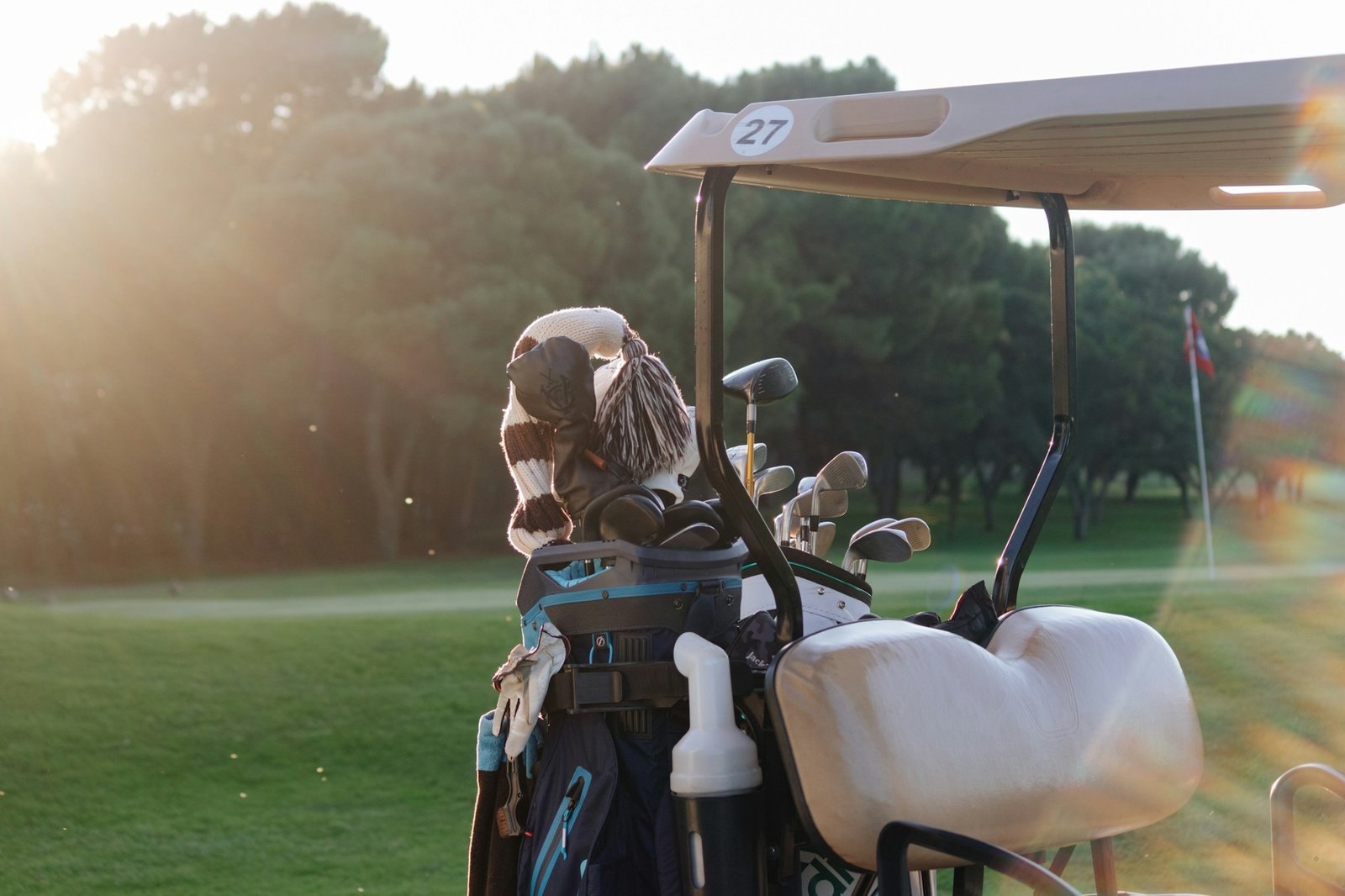
Loft, Shaft, and Head Design
Specs vary by brand, and modern lofts have drifted stronger over the years, so treat these as typical ranges rather than rules. Always check the number stamped on the club you’re actually considering.
| Spec | 3 Hybrid | 7 Wood |
|---|---|---|
| Typical loft | About 19 to 21 degrees | About 20 to 23 degrees |
| Shaft length | Roughly 40 to 41 inches | Roughly 41 to 42 inches |
| Head shape | Compact, rounded, iron-like | Deeper, wider, fairway-wood style |
| Launch | Mid to mid-high | High |
| Spin | Lower | Higher |
| Natural miss | Pulled or hooked if the face closes | Fades or pushes if you hang back |
The headline takeaway is that the lofts overlap. A 7 wood at 21 degrees and a 3 hybrid at 20 degrees are playing in the same neighborhood. The difference isn’t the number, it’s the head shape and the shaft.
A 7 wood’s deeper head pushes the center of gravity low and back, which gets the ball airborne with very little effort. A hybrid’s more compact head keeps the weight closer to the face, which helps you control flight and shape shots. If you want the full backstory on how high-lofted woods came about, my Heavenwood vs 7 wood comparison walks through it.
How Each Club Launches and Spins
This is where the two clubs separate most clearly. A 7 wood produces a higher launch and more backspin. One comparison I trust puts the spin gap at 600 rpm or more in the 7 wood’s favor, and Golf.com’s head-to-head test showed the same pattern: the 7 wood went up higher and spun more, while the 3 hybrid flew lower with far less spin.
Why does that matter? Spin is what stops the ball on a green. If you’re hitting a long approach into a firm par 5 green, a 7 wood’s descent angle gives you a fighting chance of holding it. A hybrid with less spin will land and keep rolling.
On the flip side, too much spin costs you distance and makes the ball balloon into the wind. If you already spin your fairway woods heavily, a 3 hybrid can flatten that flight out. I break down how launch and spin trade off in my guide to 7 iron launch angle and spin, and the same logic applies here.

Does the 3 Hybrid Really Go Farther?
Usually a little, but not by as much as people assume. In the Ping G-series comparison I looked at, the 3 hybrid carried around 215 yards and the 7 wood around 212, a gap of just a few yards once roll was added. Other tests that pit a stronger-lofted hybrid against a weaker-lofted 7 wood show a bigger gap, because loft is doing the work, not the club type.
That’s the key point. If the two lofts match, expect the hybrid to fly lower and run out further, while the 7 wood flies higher and stops sooner. If the hybrid is a couple of degrees stronger, it’ll go noticeably farther.
So don’t compare club names. Compare your own carry numbers. A slower swinger who carries a 7 wood 150 yards may find the hybrid carries 150 too, just with a lower flight that holds the green less well.
Forgiveness and Turf Interaction
Both clubs are far more forgiving than a long iron, but they forgive different mistakes.
Off-center strikes
The 7 wood’s larger face and deeper head hold ball speed better on heel and toe strikes. If you struggle to find the center, that extra margin is real.
Rough and tight lies
The hybrid is the better rough club for most players. Its compact, rounded sole cuts through longer grass instead of getting grabbed by it, and it works from bare or tight lies where a wooden head can bounce. A 7 wood sweeps beautifully off a good fairway lie but can be fussier when the grass gets thick.
Angle of attack
Hybrids are designed to be hit with a slightly descending blow, much like a long iron. Woods want a shallower, sweeping strike. If your natural move is to hit down and take a divot, the hybrid will feel familiar. If you sweep the ball, the 7 wood will feel easier.
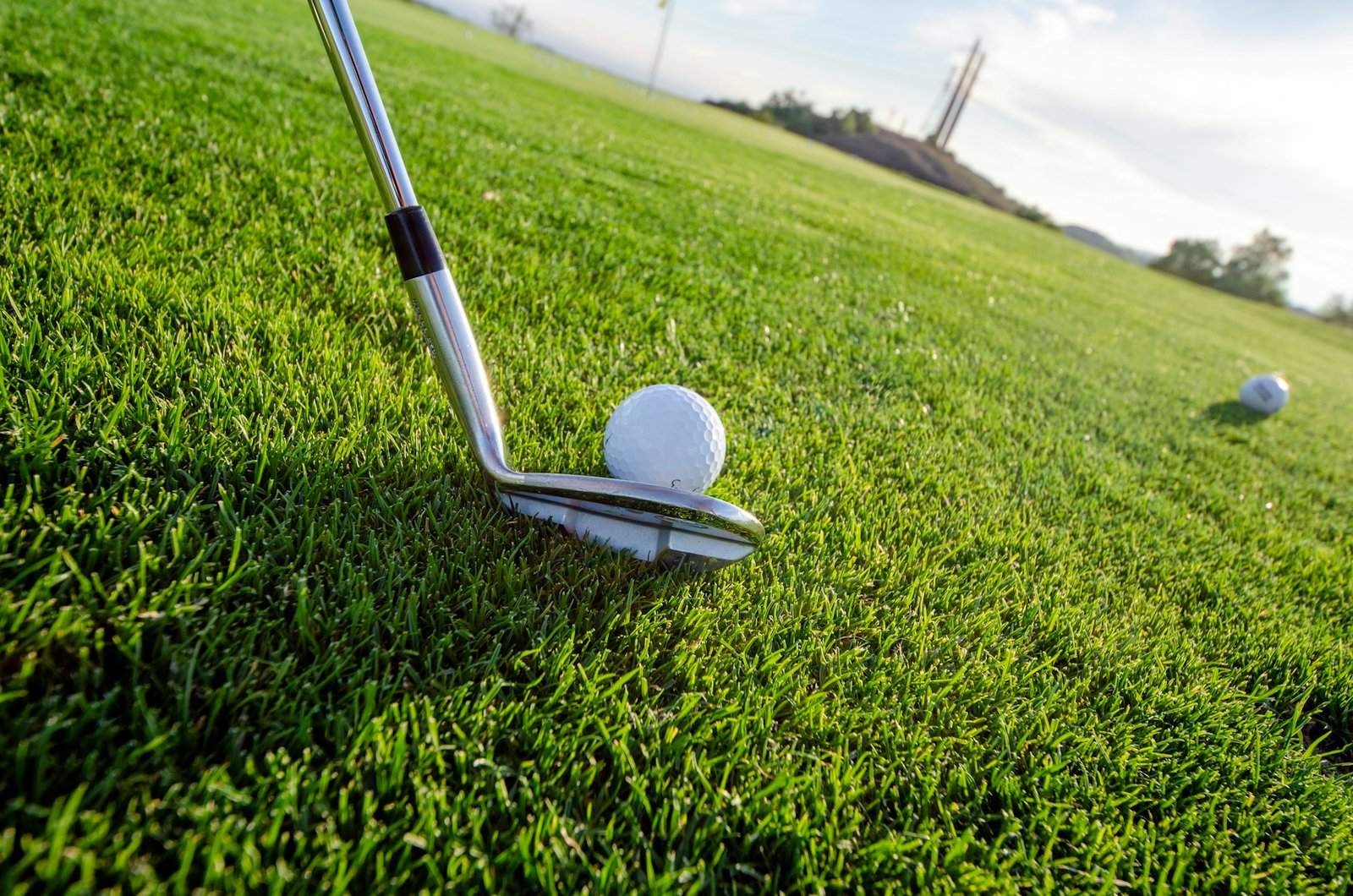
Who Should Carry Which
Pick the 7 wood if you
- Have a moderate or slower swing speed and need help getting the ball airborne.
- Sweep the ball off the turf rather than hitting down on it.
- Need to stop long approach shots on firm greens.
- Tend to hit thin shots with long irons and hybrids.
Pick the 3 hybrid if you
- Have a steeper, iron-style attack angle and like taking a little turf.
- Already launch the ball high and want to bring the flight down.
- Hit a lot of shots from rough, so you need a club that cuts through grass.
- Want a club you can punch low under trees or into the wind.
Seniors and players with slower swing speeds often lean toward the higher-launching wood, which I cover in more depth in my guide to the best hybrid golf clubs for seniors. Better players with fast swings often prefer the hybrid because the 7 wood can launch too high and spin too much for them.
Should You Carry Both?
Most golfers shouldn’t. The two clubs cover nearly the same distance, so carrying both usually means wasting a slot you could give to another wedge or a different gap.
The exception is a player who deliberately wants a high, soft club for approaches and a low, running club for tee shots and rough. If that’s you, give the two clubs different lofts so they cover different distances. Two clubs with the same loft is just a duplicate.
Remember, you only get 14 clubs. A 5 wood and a 4 hybrid, or a 7 wood and a 4 hybrid, can each make sense depending on how your gaps fall. If you want to understand where the very lowest-lofted clubs fit in, my post on the low lofted golf club covers it.
How to Test Them Before You Buy
Don’t buy on reputation. Spend 30 minutes on a launch monitor and run this simple test.
- Hit 10 shots with each club from a normal fairway lie and record carry, spin, and launch.
- Hit 5 more of each from rough or a tight lie if the range allows it.
- Check your dispersion, not just your best shot. The club with the tighter pattern usually wins.
- Compare the carry to the clubs on either side so you know it fills a real gap.
Pay attention to feel as well. A club you trust standing over the ball will outperform a club that tests marginally better on paper. For a deeper look at why the 7 wood has become so popular, MyGolfSpy’s 7 wood explainer is worth a read, and Golf.com’s head-to-head 7 wood and 3 hybrid test shows the launch and spin differences with real data.
Common Mistakes When Choosing Between Them
I see the same three errors every season when golfers try to settle the 7 wood vs 3 hybrid debate on their own.
The first is buying by the number on the sole. A 3 hybrid from one brand can be 19 degrees while another brand’s is 21, and a modern 7 wood can be stronger than an older 5 wood. Two clubs with the same label can play a full club apart, so trust your carry numbers over the name.
The second is ignoring the shaft. Both clubs are only as good as the shaft you put in them. A shaft that’s too stiff for your speed will kill the launch and spin you were buying the club to get, and a shaft that’s too soft will hook the hybrid and balloon the wood. Ask for your swing speed to be measured before you pick a flex.
The third is judging the club from a perfect range mat. Mats forgive fat shots and hide how a club behaves from real turf. If you can, hit a few shots off grass, and think honestly about where you’ll use the club most. If it’s mostly tee shots on tight holes, a hybrid might serve you better. If it’s mostly long approaches, the wood usually wins.
Fix those three and the 7 wood vs 3 hybrid choice gets much easier, because you’re comparing real shots instead of marketing.
FAQ: 7 Wood vs 3 Hybrid
Is a 7 wood easier to hit than a 3 hybrid?
For most golfers, yes, slightly. The wider sole and lower center of gravity launch the ball higher with less effort. But players with a steep, iron-style swing often find the hybrid easier because it matches their natural motion.
Which goes farther, a 7 wood or a 3 hybrid?
It depends on the lofts. At matching lofts the carry is within a few yards, with the hybrid running out more. If the hybrid has less loft, it will usually go farther.
Can a 7 wood replace a 3 hybrid?
Yes, as long as the loft and carry distance fit your gapping. Just expect a higher, softer flight and a bit less roll.
Is a 3 hybrid better from the rough?
Generally, yes. The compact, rounded head moves through thick grass more easily than a wider wood head.
Should a senior golfer choose a 7 wood or a hybrid?
Many seniors with slower swing speeds get more carry and a softer landing from a 7 wood, but the right answer is whichever one tests better on a launch monitor for your swing.
Final Thoughts
The 7 wood vs 3 hybrid decision isn’t about which club is better. It’s about which one fits your strike. Sweepers and slower swingers tend to prefer the 7 wood, while steeper swingers and rough-heavy players tend to prefer the hybrid.
Hit both, check the carry and the spin, and pick the one that gives you a tighter pattern. Then put the extra slot to work somewhere else in the bag.