In this Article
Do golf balls go bad if not used? Not for years if you store them right. Here is the real shelf life, what actually ruins a ball, and five quick tests before you tee it up.
You dig through the garage in March and find a half-empty box of balls from three seasons ago. So, do golf balls go bad if not used? The short answer is no, not in any way you will notice on the course, as long as they were not cooked, frozen, soaked, or left in the sun.
I get this question every spring from students in Chicago who are pulling their bags out after a long winter. The good news is that most of those old balls are fine. The bad news is that a few of them really are shot, and it helps to know how to tell the difference.
Table of Contents
Table of Contents
Do Golf Balls Go Bad If Not Used? The Short Answer
A new ball stored indoors at normal room temperature can stay playable for around a decade or longer, according to Foresight Sports’ guide to golf ball lifespan. Even GOLF.com’s equipment mailbag calls a ball that is 24 months old most likely still fine.
The reason is simple. A modern ball is a sealed, molded object with a rubber core, one or more inner layers, and a hard cover. Nothing in there spoils the way food does. If you want the full construction story, our breakdown of how golf balls are made walks through every layer.
The one real exception is the old wound ball with a liquid center and a balata cover. Those lost feel and distance faster no matter how you stored them. Modern two-piece through five-piece balls do not have that problem to the same degree.
So the ball is not aging on the shelf. It is being exposed to things. Heat, moisture, sunlight, and impact are what damage it, and time is mostly just the window in which those things get a chance to happen.
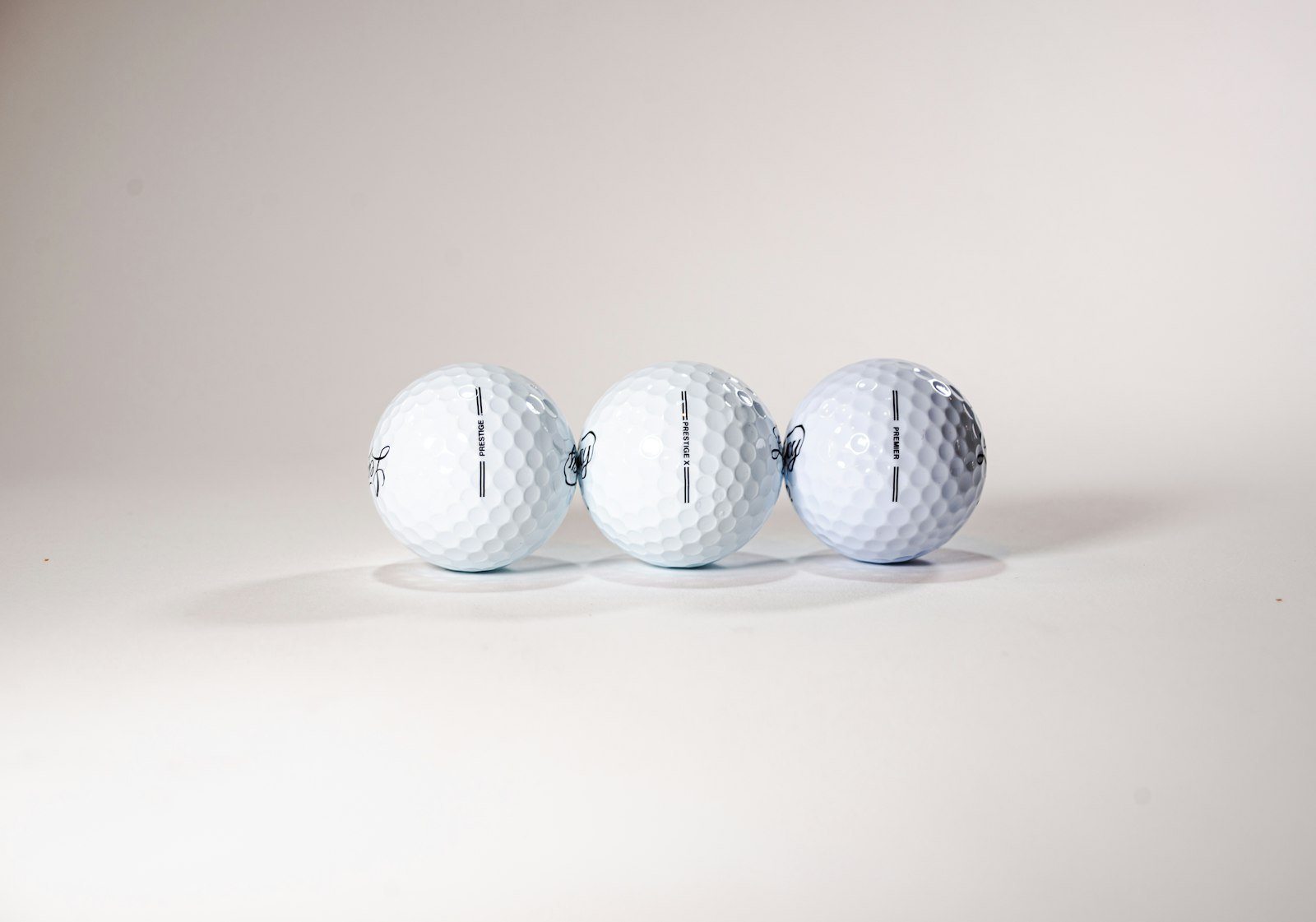
How Long Golf Balls Actually Last
Shelf life depends almost entirely on where the ball lives and how much you play it. Here is how the numbers shake out from the sources above.
| Situation | Realistic lifespan | What to know |
|---|---|---|
| Unused, stored indoors at 70-80°F | Around 10 years or longer | Foresight Sports’ estimate for room-temperature storage |
| Unused, stored with proper care | 5+ years | Some manufacturers quote this for modern balls |
| Unused, in a garage with big swings in heat and humidity | Hard to predict | Temperature and humidity swings are the real risk |
| Played regularly | About 7 rounds on average | Replace once you see scuffs or deep scratches |
| Pulled from a lake or water trap | Much shorter | Water can work in through damaged cover |
My rule of thumb is to treat ten years as the optimistic end and five years as a safe planning number. If a ball has spent its life in a closet, I would happily play it at either age.
Playing the ball is a different story. GOLF.com points out that dimples get damaged before a ball ever softens from repeated compression. In other words, a ball usually dies from scuffs and cuts, not from being hit too many times.
What Really Ruins a Golf Ball
If golf balls go bad at all, it is almost always because of one of these four things.
Heat
Foresight Sports says storing balls above 80°F softens them. A trunk in July blows past that without trying. If your spare dozen rides around in the car all summer, expect it to feel mushy.
Cold
Freezing golf balls to make them fly farther is a myth. According to Foresight, it actually reduces driving distance and can damage the ball. A cold ball also feels firmer off the face, so let one warm up to room temperature before you play it.
Sunlight
UV rays make the outer cover brittle, so it cracks and chips more easily. A box sitting on a sunny windowsill or a dashboard is slowly working against you.
Water
Rain alone will not shorten a ball’s life. Trouble starts when there are cracks, chips, or microfractures that let moisture reach the core. Foresight notes that balls sitting in a water trap for more than 12 hours have covers that begin to break down, and GOLF.com mentions studies suggesting water can seep into the cover within hours.
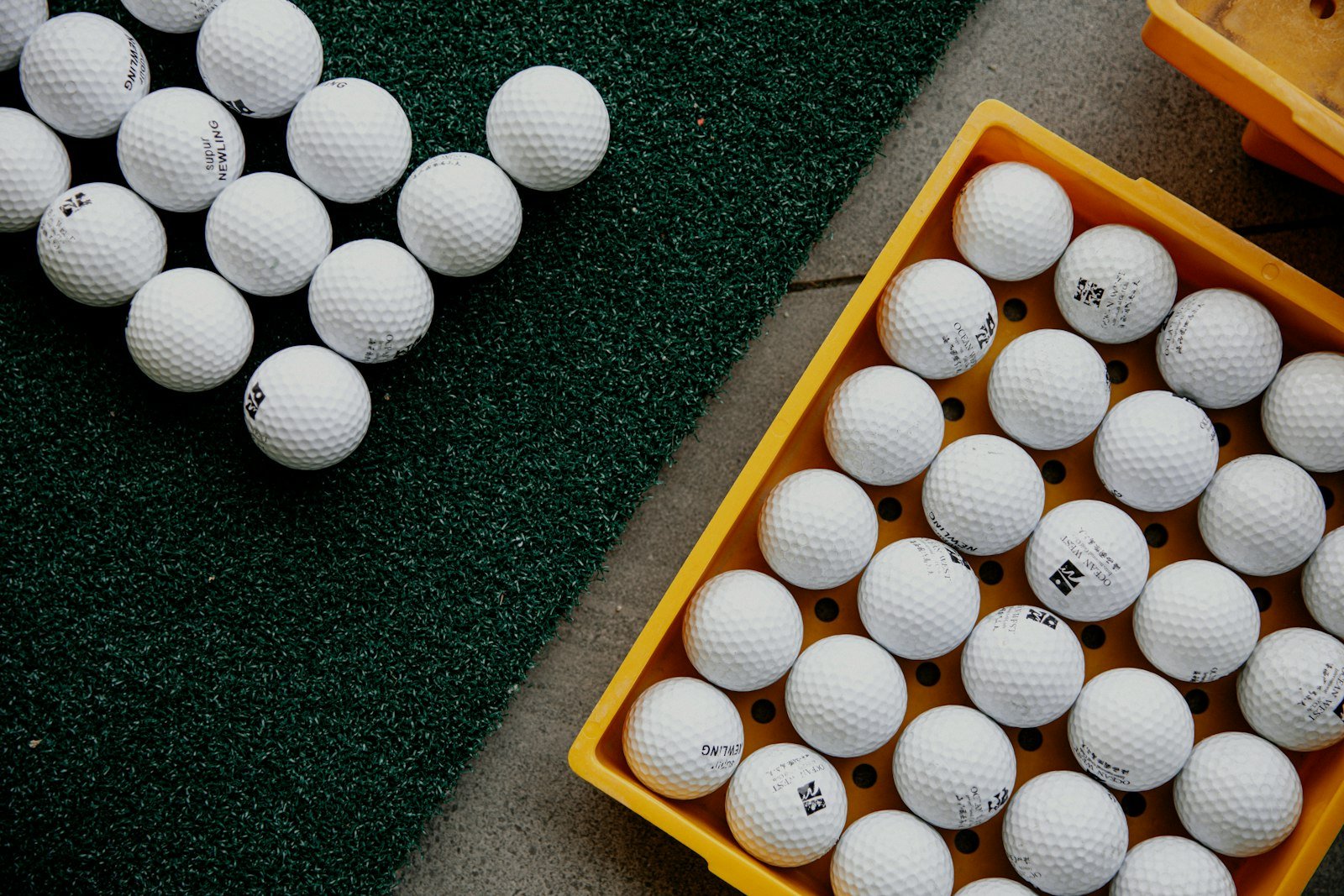
How to Store Golf Balls the Right Way
Good storage is boring, and that is exactly the point. Here is what I tell every student who asks.
- Keep them indoors in a closet, basement shelf, or spare room where the temperature stays around 70-80°F.
- Never leave them in a hot or cold car, even for a week or two.
- Keep them out of direct sunlight and away from garage windows.
- Leave unused balls in their sleeve or box so they stay dry and clean.
- Store new and used balls separately so you always have a clean baseline for comparison.
A garage is the usual culprit. GOLF.com notes that garages often swing in temperature and humidity, and it recommends keeping balls, and ideally all your equipment, indoors. That one change solves most of the problem.
5 Quick Tests for an Old Golf Ball
Not sure whether the box from the garage is still good? Run through these checks before you tee one up. Always compare against a new ball so you have something to measure against.
- Look closely. Check for cracks, chips, and deep scratches. They can be hard to spot among the dimples, so turn the ball slowly under good light.
- Bounce it. Drop the old ball and a new one from the same height onto a hard surface. A noticeably lower bounce is a bad sign.
- Listen to it. Hit a few on the range or a simulator and compare the sound. A dull note next to the crisp pang of a new ball tells you something has changed.
- Measure it. If you have access to a launch monitor, compare carry distance against the new ball with the same club. This is the most reliable test.
- Float it (optional). Some golfers try a saltwater float test. I treat it as a curiosity and rely on the other four.
If an old ball passes the look test and feels normal off the clubface, play it. If it fails two of these checks, keep it for practice or retire it.
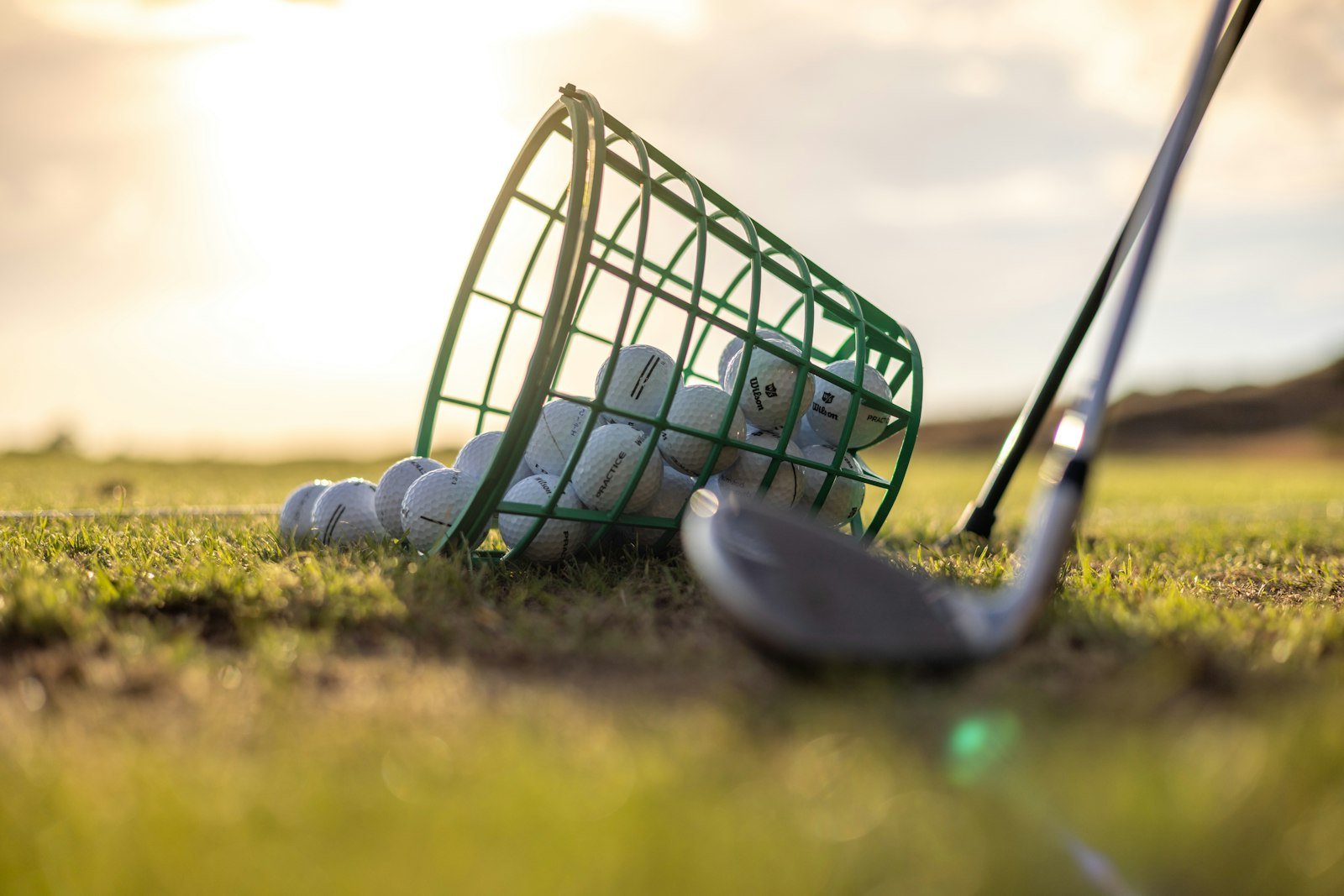
Used, Lake, and Range Balls Follow Different Rules
Everything above is about balls that sat unused. A ball you actually play ages by rounds, not by calendar. Foresight puts the average at about seven 18-hole rounds, and that assumes you wash them after each round and inspect them before the next.
Lake balls are the gamble. A ball that spent weeks underwater has had every chance to take on moisture. If you are buying a bag of recovered balls, inspect each one for cracks and compare the bounce against a new ball before you trust it in a round that counts.
Range balls take a different kind of beating. They get hit constantly, so scuffs pile up quickly. They are fine for practice, but I would not judge how a ball performs on the course based on one that has been through a range machine.
When an Old Ball Is Outdated, Not Bad
There is one more reason a very old ball can cost you strokes, and it has nothing to do with storage. GOLF.com points out that newer balls are significantly better than models from two or three years earlier, thanks to better covers, dimple patterns, and multi-layer construction.
So an old ball may perform worse than a current one even if it is in perfect condition. The gap comes from technology, not decay. If you are chasing the right match for your game, start by learning how to measure your golf swing speed, since compression should line up with it.
Spin matters too, especially on approach shots. Our guide to 7 iron launch angle and spin explains how the numbers on a launch monitor connect to what your ball is doing in the air.
Winter Storage: A Simple Checklist for Cold Climates
Winter is where most of the damage happens, at least where I live. When the bag goes into an unheated garage in November, the real question is not whether do golf balls go bad if not used. It is what five months of cold and sudden warm spells do to them.
Those swings between cold and warm are exactly the temperature and humidity swings GOLF.com warns about. You cannot control the weather, but you can control where the balls sit.
My routine is simple. In the fall, I pull the balls out of the bag, toss anything cracked or badly scuffed, and move the rest into a sleeve or box on an indoor shelf. The bag itself can stay in the garage, but the balls come inside.
In the spring, I let the box sit at room temperature for a day before I play. Then I run the quick tests above on two or three balls. If they match a new ball, I am done.
The same logic applies in summer. Take the spare sleeve out of the car at the end of every round. It takes ten seconds and removes the heat problem entirely.
Frequently Asked Questions
Do golf balls go bad if not used for years?
Stored indoors at room temperature, new balls can last around ten years or longer. For planning purposes, five years is a safe number, and some manufacturers say modern balls hold up that long with proper storage.
Can you store golf balls in a garage?
You can, but it is not ideal. Garages swing in temperature and humidity, and that is what stresses a ball. An indoor closet or shelf at 70-80°F is a much better spot.
Do golf balls lose distance over time?
Properly stored modern balls lose very little. Distance drops when a ball is scuffed, cracked, waterlogged, or heat-softened, or when you are comparing it to a newer model with better technology.
Is it okay to put golf balls in the freezer?
No. Freezing is a myth that does not add distance. Foresight Sports notes it reduces drive distance and can damage the ball.
Do golf balls have an expiration date?
There is no printed expiration date on a modern golf ball. What matters is how it was stored and whether the cover is intact, not the year it was made.
The Bottom Line
So, do golf balls go bad if not used? Not on any timeline you need to worry about, provided you keep them indoors, dry, out of the sun, and away from temperature extremes. Most of the balls in your garage are probably fine.
Check for cracks, run a quick bounce and sound test, and play the ones that pass. If you are still building the basics of your game, our beginner’s guide to golf is a good place to keep going.