In this Article
We break down Caitlin Clark's golf swing position by position, including the one flaw she admits to herself, and pull out five specific lessons any amateur golfer can use.
Caitlin Clark’s golf swing has been all over golf social media for two years running, and it’s not just because she’s the biggest name in women’s basketball. Instructors who’ve broken down her swing on video keep saying some version of the same thing: this is a genuinely good golf swing, not just a good athlete faking her way through a pro-am. If you’ve watched a clip of Clark playing The Annika and wondered what she’s actually doing right, and where she’s still fighting the same battles as everyone else, this breakdown is for you.
Who Is Caitlin Clark, and Why Is Her Golf Swing Such a Big Deal?
Clark broke the NCAA scoring record at Iowa, went No. 1 in the 2024 WNBA Draft, and was named Rookie of the Year in her first season with the Indiana Fever. Arenas got upgraded just to fit the crowds who show up to watch her play. That kind of attention follows her off the court too, which is exactly what happened once footage of her playing golf started making the rounds.
Clark isn’t new to the game. She has said she grew up playing golf around Des Moines starting in third or fourth grade, long before basketball made her a household name. She is now a regular at the LPGA’s Annika Pro-Am at Pelican Golf Club, where she has played alongside Annika Sorenstam and Nelly Korda, and she has also teed it up at the PGA Tour’s John Deere Classic pro-am. By her own description she is “just the average golfer” carrying roughly a 16 handicap, with rounds in the mid-80s on a good day.
She has also had her share of pro-am mishaps, including a snap-hook into the gallery that made headlines for days. She handled it with a joke instead of an apology tour, which is part of why golf fans warmed up to her so fast. None of that would matter for an instructional article, though, if her actual mechanics weren’t worth studying.
Breaking Down Caitlin Clark’s Golf Swing, Position by Position
PGA Tour Live analyst Mark Immelman and LPGA instructor Megan Johnston have both broken down Clark’s swing on video, and their notes line up with what you see from a down-the-line angle. Here is what actually happens from setup to finish, and where an amateur golfer can learn something from it.
Setup and Stance in Caitlin Clark’s Golf Swing
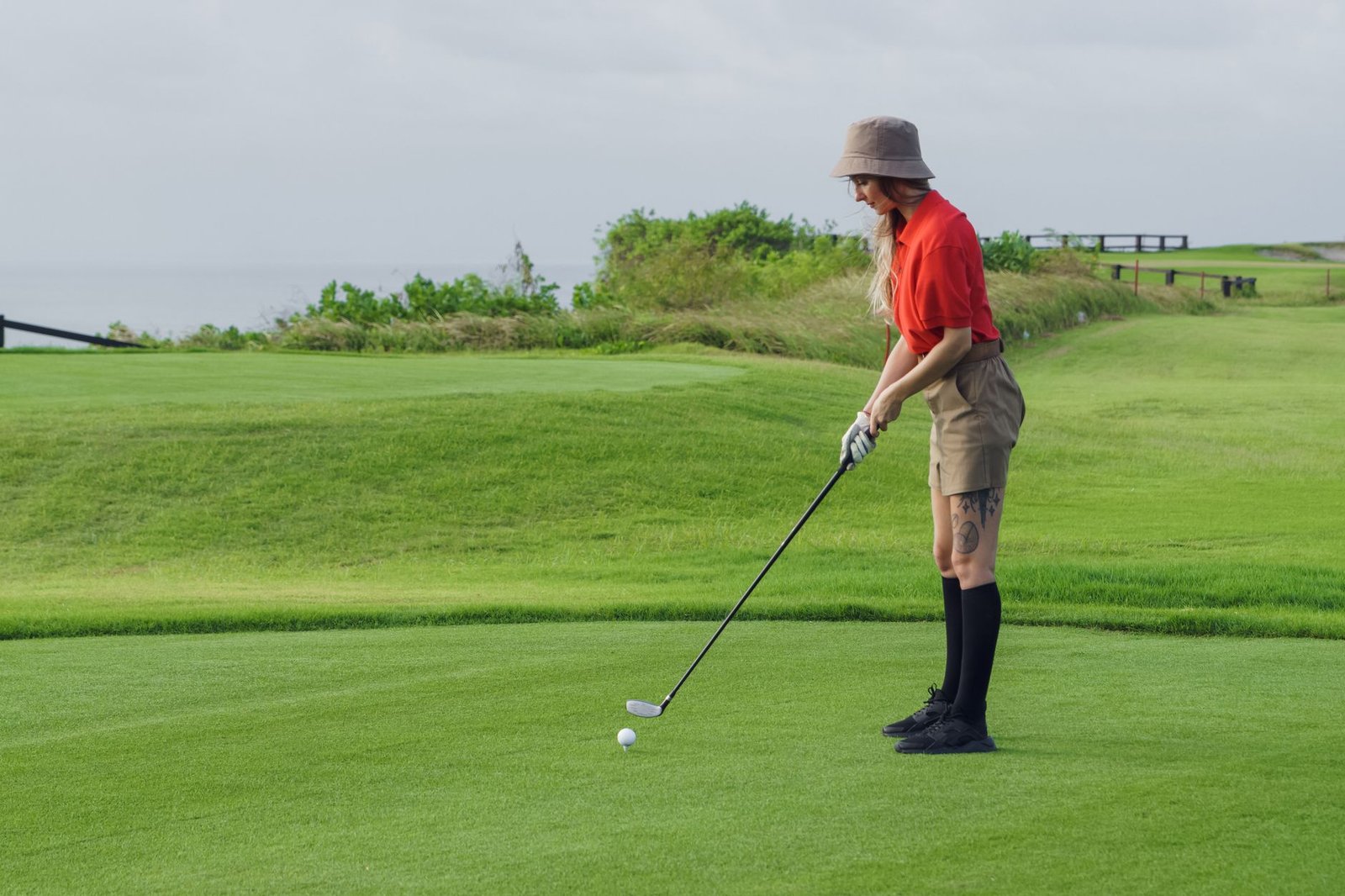
Clark sets up with a good bend at the waist and her shoulders, hips, and feet square to the target, which is the same checklist any instructor gives a beginner on day one. Analysts have pointed out she reaches slightly with her arms at address, meaning she could stand a touch closer to the ball. That one small gap changes what happens on the way back, because it is hard to keep the clubhead outside your hands during the takeaway when you are standing too far away.
Backswing and Transition
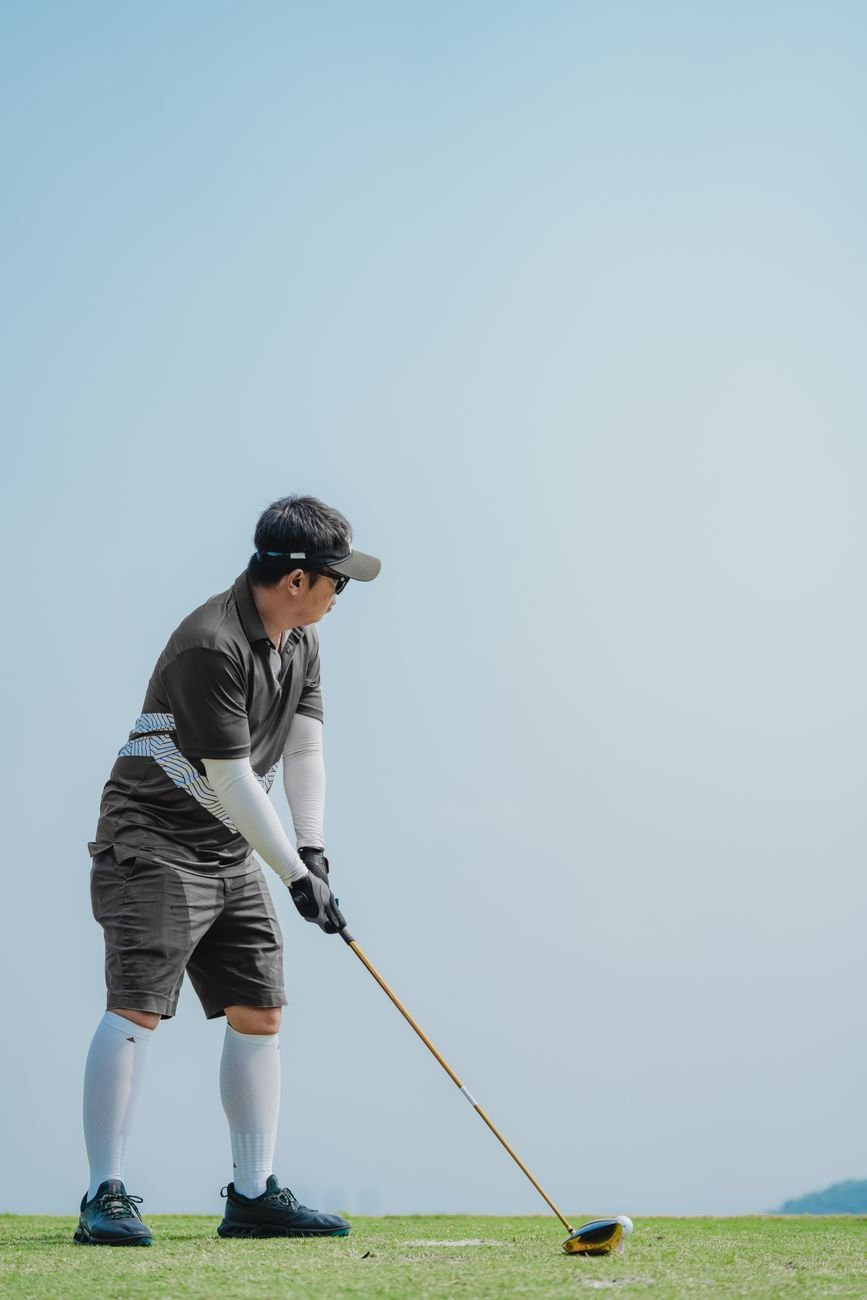
This is where Clark’s athleticism really shows up. She gets a full turn with both shoulders and hips, and her front knee flexes just enough to show she is loading the right muscles instead of just lifting her arms. Plenty of amateurs lock out their trail leg at the top, which kills the ability to use the ground on the way down, and Clark avoids that mistake entirely.
The one nitpick from her setup shows up here too. Because she stands a bit far from the ball, the club tends to move slightly inside on the way back. It is a minor flaw, and one that is directly traceable to that first position at address.
Downswing and Impact
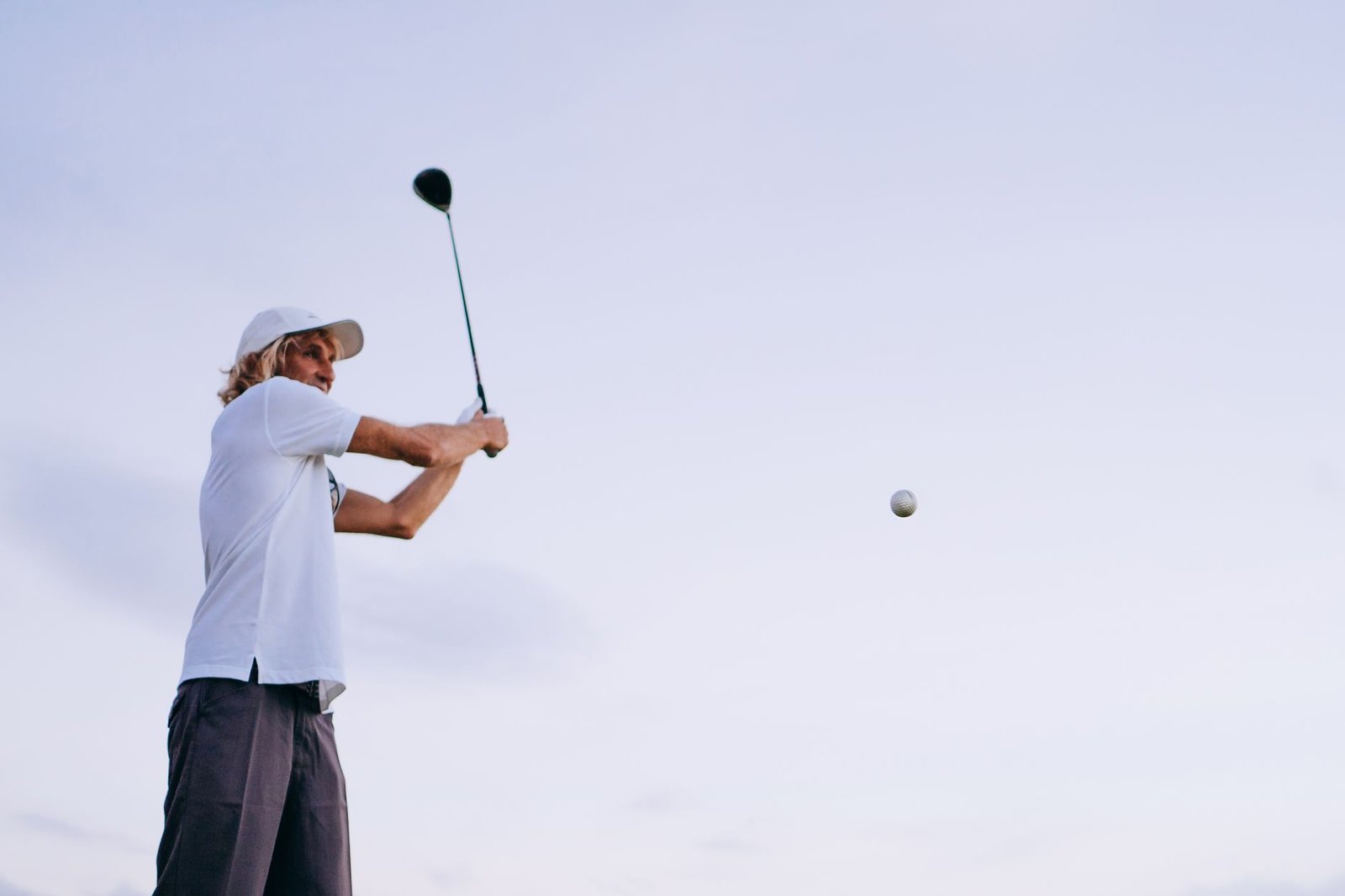
Clark pushes off her back foot to use ground force on the way down, which is exactly what generates real clubhead speed instead of just arm speed. Some analysts note she starts that push slightly early, and because the takeaway put the club a bit inside, she has to come back “over the top” to square the face. That combination is the same one that causes a slice for a lot of weekend golfers, though in Clark’s case her timing is good enough to still find the fairway more often than not.
At impact, her hips have already cleared toward the target, her head stays remarkably stable, and her posture holds. Analysts have called this position “money” on video breakdowns, and it is genuinely impressive for someone who does not play golf for a living.
Follow-Through of Caitlin Clark’s Golf Swing
Clark finishes in a balanced position with her chest facing the target and her weight fully on her lead foot. That balanced finish is not just cosmetic. Instructors regularly point out that if you focus on landing in a stable, on-balance finish, the rest of the swing usually falls into line on its own, because you cannot get to a good finish from bad sequencing earlier in the swing.
The One Flaw Even Caitlin Clark Admits To
After slicing a tee shot at a recent pro-am, Clark got some quick advice from a swing coach on site, and her very next drive split the fairway. Her own explanation afterward is the most relatable thing about her entire golf game: “I just need to slow down. I swing so fast and so hard. That’s my problem. I always want to kill the ball.”
That is not a Caitlin Clark problem. That is nearly every amateur golfer’s problem. Swinging harder does not create more speed if it costs you sequencing, and Clark’s over-the-top move on the downswing traces straight back to trying to generate power before her body is actually in position to deliver it. If a Rookie of the Year with elite core strength and hand-eye coordination fights this, it is not something you are going to muscle your way past either.
5 Things Amateur Golfers Can Steal From Caitlin Clark’s Swing
You do not need her three-point range to borrow from Caitlin Clark’s golf swing. Here are five specific takeaways worth stealing for your own game.
- Stand close enough to the ball. Clark’s one real setup flaw is standing a touch too far away, which throws off everything downstream. Check your own golf stance at address before you blame your downswing for a slice.
- Keep flex in your trail knee at the top. A locked-out trail leg blocks you from using the ground for power. Clark keeps hers slightly bent all the way to the top of her backswing.
- Sequence your downswing like Caitlin Clark’s golf swing does — do not just swing harder. Ground force has to start from the feet up. If you rush the transition before your upper body is ready, you get the same over-the-top move that gives Clark her occasional slice.
- Finish balanced, every time. A stable, on-balance finish is a sign the rest of the swing worked, not a stylistic afterthought. Practicing slower, controlled swings — the same idea behind a golf half swing drill — is one of the fastest ways to groove that kind of finish.
- Let your hips lead, not your hands. Clark’s hips are already clearing toward the target at impact while her head stays still. That kind of sequencing is closely tied to properly clearing the left hip in the downswing, and it is worth drilling on its own before you worry about anything else.
How Her Basketball Background Shows Up in Her Golf Swing
Clark’s core strength from basketball is doing a lot of the work in her golf swing. A strong core is what lets her maintain posture through a full shoulder turn without losing balance, which is the same reason gym work shows up on the scorecard for golfers of any age.
She also has what instructors call kinetic awareness, meaning she can control individual body segments — hips, shoulders, hands — without one part overpowering the rest. That is a skill elite athletes build through years of repetition in their primary sport, and it happens to transfer directly to golf, where a swing is really just a sequence of body parts firing in the right order at the right time.
None of that means you need to be a Big Ten scoring champion to swing it well. It just means the fundamentals — posture, sequencing, balance — matter more than raw strength, and Caitlin Clark’s golf swing is a pretty good advertisement for that idea.
For a deeper look at the video breakdown itself, Skratch Golf’s position-by-position analysis is worth watching, and PGA Tour also published an in-depth swing analysis from one of its own commentators.
Frequently Asked Questions
What is Caitlin Clark’s golf handicap?
Clark has said she carries roughly a 16 handicap and shoots in the mid-80s on a good day, which she describes as being “just the average golfer.” That is a solid amateur number, well ahead of most weekend players, but nowhere near tour-level golf.
Does Caitlin Clark play golf professionally?
No. Clark is a professional basketball player for the Indiana Fever. Her golf appearances are limited to pro-am events like the LPGA’s Annika Pro-Am and the PGA Tour’s John Deere Classic, where amateurs play alongside touring professionals.
Who analyzed Caitlin Clark’s golf swing?
PGA Tour Live commentator Mark Immelman and LPGA instructor Megan Johnston have both given on-camera breakdowns of her swing, and outlets like Skratch Golf have done detailed position-by-position video analysis as well.
What golf swing flaw does Caitlin Clark have?
Analysts point to her standing slightly too far from the ball at address, which pulls the club a bit inside on the backswing and forces an over-the-top move on the way down. She has also admitted she tends to swing too hard and needs to slow her tempo down.
Can amateur golfers really learn from a celebrity’s golf swing?
Yes, especially when the swing gets broken down the same way a coach would break down a student’s swing. Caitlin Clark’s golf swing is a useful teaching example precisely because her flaws are common ones — standing too far from the ball, swinging too hard — not exotic tour-level problems.
How does Caitlin Clark generate power in her golf swing?
Power comes from a full shoulder and hip turn, a push off the trail foot to use ground force, and the core strength she has built through basketball. It is sequencing and athleticism working together, not just brute strength.
The Takeaway
Caitlin Clark’s golf swing holds up because the fundamentals hold up: good posture, a full turn, a balanced finish, and the same tempo problem nearly every golfer fights at some point. You do not need her vertical leap or her range from the logo to borrow from it. Fix your setup distance, sequence your downswing instead of muscling it, and finish on balance every single time, and you will already be doing more right than most of the golfers you play with on Saturday.